Understanding when does a patient need a ventilator is crucial in healthcare. It can determine life-or-death situations. Ventilators assist patients who struggle to breathe on their own. They provide mechanical support when natural breathing is insufficient.
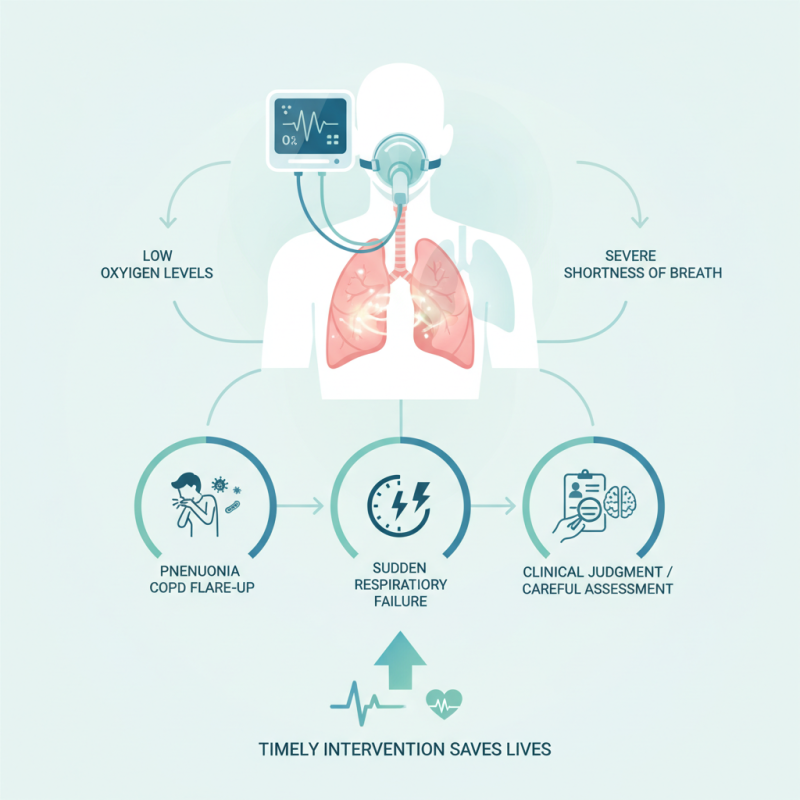
Signs that indicate the need for a ventilator include severe shortness of breath. A patient's oxygen levels may drop significantly. This can lead to serious complications. Patients with conditions like pneumonia or COPD may face these challenges. Furthermore, sudden respiratory failure can occur due to various factors. Observing changes in a patient’s condition is vital for timely intervention.
While many healthcare providers are experienced, recognizing these signs remains complex. Each case can be unique, requiring careful assessment. Factors such as age, underlying health conditions, and response to treatment can vary. Therefore, understanding when does a patient need a ventilator often involves professional judgment. This judgment can sometimes lead to tough decisions. Accurate evaluations and swift actions can save lives.
Understanding respiratory distress is crucial for timely intervention. Patients showing symptoms often struggle to breathe. Common signs include rapid breathing and increased heart rate. These may indicate a serious condition requiring immediate medical attention.
Obvious signs of respiratory distress are labored breathing or wheezing sounds. Patients may also exhibit cyanosis, a bluish tint around lips and fingertips. These symptoms often signal a decline in oxygen levels. Monitoring a patient’s respiratory rate can provide insights into their condition.
It’s important to act when these signs appear. Yet, some may downplay their symptoms or delay seeking help. This hesitation can worsen their situation. Regular training for healthcare providers can enhance response times in critical situations. Awareness and education are vital for recognizing these symptoms early.
Ventilation plays a crucial role in healthcare. It helps patients breathe when they cannot do so effectively. Understanding how ventilation works begins with recognizing the mechanics behind it. A ventilator delivers air into the lungs, ensuring that oxygen reaches the bloodstream. It also removes carbon dioxide, a waste product of metabolism. This process maintains proper acid-base balance in the body.
In critical situations, patients may show signs of respiratory distress. Their breathing becomes rapid or shallow. They might use accessory muscles to breathe. Monitoring these signs helps healthcare professionals intervene timely. When natural breathing fails, a ventilator can provide lifesaving support. However, it is essential to remember that mechanical ventilation is not without risks. Possible complications include lung injury or infections. Reflecting on these challenges can lead to better patient outcomes.
Understanding when a patient requires ventilator support is crucial for timely intervention. Several key indicators can guide healthcare professionals in this decision-making process. A significant drop in oxygen saturation, often below 90%, signals that immediate action is necessary. This situation typically indicates that the lungs are not effectively transferring oxygen to the bloodstream.
Another vital sign is the patient's respiratory rate. An elevated rate, especially above 30 breaths per minute, can be alarming. It may reflect respiratory distress, suggesting that the body is struggling to breathe adequately. Additionally, observing the use of accessory muscles during breathing provides insight into the effort the patient exerts. If a patient is visibly working hard to breathe, it may indicate that invasive support is impending.
Monitoring blood gases is essential as well. A rising carbon dioxide level may hint at impending respiratory failure. However, determining the exact moment to start ventilator support can be challenging. Every patient responds differently, and professionals need to consider each unique case thoroughly. Gathering input from colleagues and relying on seasoned experience can help make informed choices in these critical situations.
When assessing a patient’s condition, timely intervention is crucial. There are specific indicators that suggest a patient may require a ventilator. The American Thoracic Society points out that increased respiratory distress, significantly low blood oxygen levels, or insufficient respiratory effort are critical signs. If a patient’s oxygen saturation falls below 90%, immediate intervention is necessary.
Monitor the patient’s breathing pattern closely. Look for signs of increased work of breathing, such as nasal flaring or retractions. These can signal that the patient is struggling. Data from the Centers for Disease Control and Prevention shows that early recognition can reduce complications.
**Tips:** Stay alert for sudden changes in patient status. If they exhibit confusion, lethargy, or inability to speak in full sentences, intervene promptly. It's better to be cautious than to overlook a significant deterioration. Also, ensure to communicate these observations with the healthcare team, as collaboration is essential in critical care situations.
| Condition | Signs and Symptoms | Urgency Level | Recommended Action |
|---|---|---|---|
| Acute Respiratory Distress Syndrome (ARDS) | Severe shortness of breath, rapid breathing, and low oxygen levels | High | Immediate ventilatory support needed |
| Chronic Obstructive Pulmonary Disease (COPD) Exacerbation | Increased breathlessness, wheezing, and cough | Moderate to high | Consider non-invasive ventilation first |
| Pneumonia | Chest pain, coughing up phlegm, fever | Moderate | Evaluate for need of ventilatory support if severe |
| Acute Asthma Attack | Severe wheezing, intense coughing, rapid shallow breathing | High | Immediate intervention including possible ventilation |
| Cardiac Arrest | Unresponsiveness, lack of breathing, no pulse | Critical | CPR and emergency ventilation required |
| Neuromuscular Diseases | Progressive weakness, difficulty breathing, hypoventilation | Moderate | Monitoring and possible initiation of ventilatory support |
When monitoring ventilator settings, precise adjustments are crucial. Healthcare professionals must frequently assess a patient's breathing patterns. Changes in tidal volume or pressure support can significantly impact a patient’s comfort and oxygenation levels. Close expert evaluation allows teams to optimize settings based on individual needs.
Each patient may respond differently to ventilator support. It’s essential to monitor vital signs, CO2 levels, and oxygen saturation regularly. Adjustments may be necessary if a patient shows signs of discomfort. A small tweak today can enhance recovery tomorrow. Continuous education on the latest guidelines helps staff adjust settings effectively.
Trial and error remain part of the process. Not all settings will yield the desired outcome. Reflection on previous adjustments aids in making better choices in the future. Open communication within the care team fosters better decision-making and patient outcomes. An adaptable approach can lead to more effective management of ventilator-dependent patients.
: Symptoms include rapid breathing, increased heart rate, and difficulty breathing.
Look for labored breathing, wheezing sounds, and cyanosis around the lips or fingertips.
Monitoring helps assess the condition and respond swiftly if symptoms worsen.
Ventilation assists patients in breathing by delivering air and removing carbon dioxide from their lungs.
Complications may include lung injury or infections, which need careful consideration.
If oxygen saturation drops below 90% or respiratory rate exceeds 30 breaths per minute.
Visible effort in breathing or use of accessory muscles suggests respiratory distress.
Each patient's response varies, making personalized assessment essential.
Regular training and raising awareness can help recognize symptoms early.
Blood gas levels, symptoms, and collaboration with experienced colleagues are crucial.
In understanding "when does a patient need a ventilator," it is essential to identify the signs of respiratory distress, which can range from shortness of breath to severe oxygen deprivation. Recognizing these symptoms early allows for timely intervention, potentially averting complications. The mechanics of ventilation play a crucial role in supporting patients with compromised respiratory function, ensuring that their lungs receive adequate oxygen and remove carbon dioxide effectively.
Key indicators for initiating ventilator support include significant changes in vital signs, impaired gas exchange, and the inability of a patient to maintain effective breathing independently. Additionally, certain conditions may require immediate intervention and ventilatory assistance to stabilize the patient's health. Once ventilatory support is initiated, continuous monitoring and adjusting of ventilator settings are vital to provide optimal care and ensure patient comfort during recovery.

QMS Medical