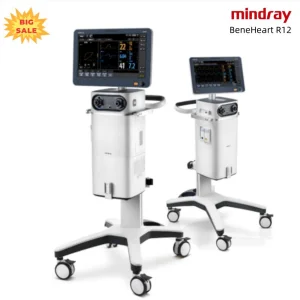
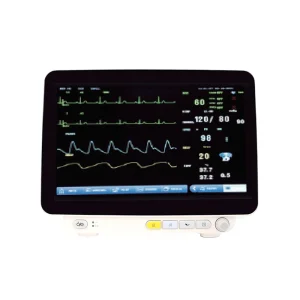
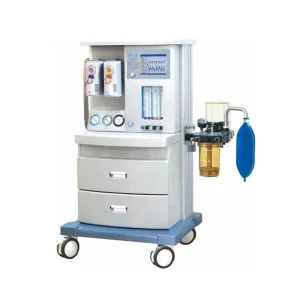
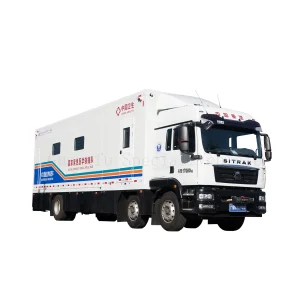
Precision-engineered systems for clinical and home environments.
The Landscape of Respiratory Technology in the 2020s
The global home-use respiratory care market is witnessing an unprecedented CAGR of 8.5% through 2030. Driven by the rising prevalence of chronic obstructive pulmonary disease (COPD) and obstructive sleep apnea (OSA), manufacturers are pivoting toward decentralized healthcare models.
Leading factories are adopting "Smart Manufacturing" or Industry 4.0 standards. Precision assembly of micro-turbines and high-sensitivity pressure sensors has become the hallmark of Tier 1 respiratory system producers.
Despite global supply chain fluctuations, the respiratory equipment sector remains a high-growth "recession-proof" industry due to its critical nature in sustaining life and managing geriatric health.
Establishing the Gold Standard in Respiratory Care Since 2015
Hangzhou QMS Medical Co., Ltd. is a professional manufacturer specializing in medical ventilators, ICU ventilation systems, and respiratory care equipment for healthcare institutions worldwide. Established in 2015, the company is located in Hangzhou, China, a city recognized for its strong medical technology and advanced manufacturing industries.
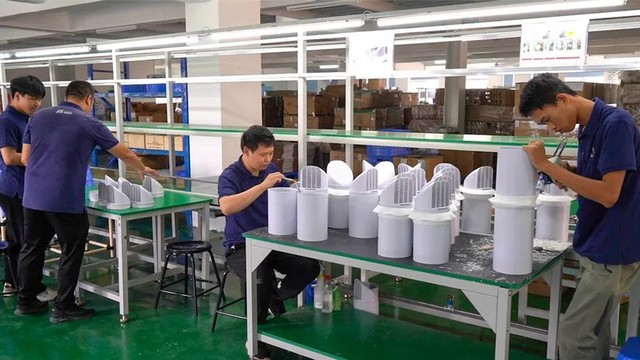
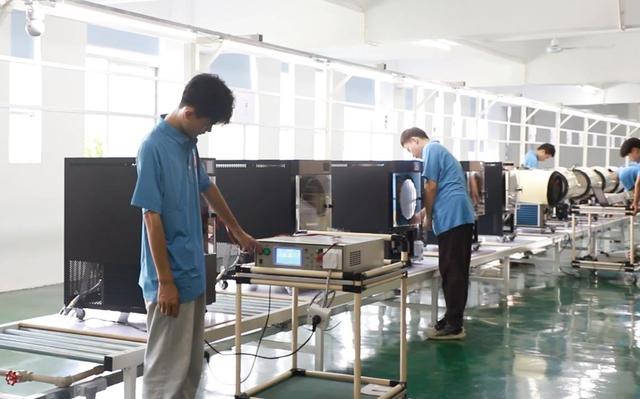
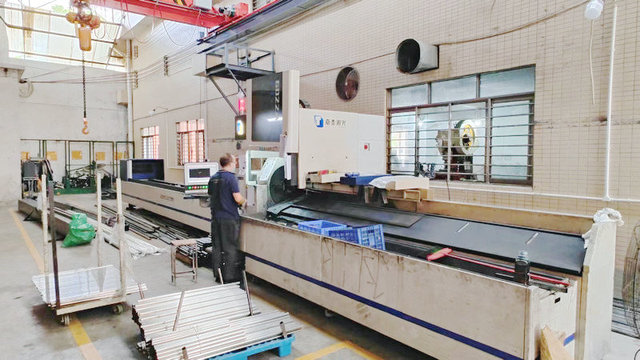
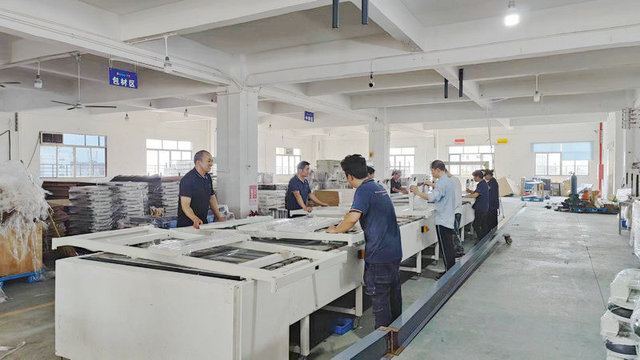
The company operates a modern production facility covering approximately 10,000 square meters and employs more than 220 skilled professionals, including engineers, technicians, and quality management specialists. QMS Medical focuses on the research, development, production, and supply of respiratory support technologies designed for hospitals, intensive care units, emergency departments, ambulance services, and home healthcare applications.
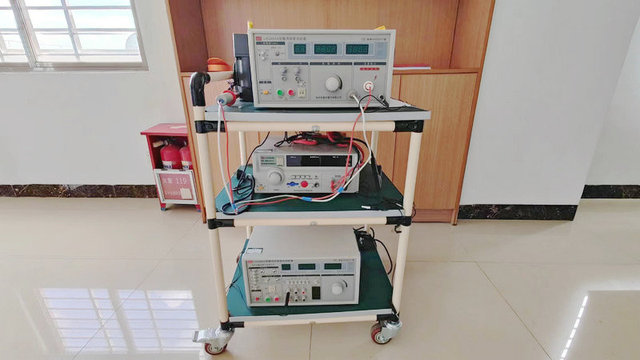
Supported by a dedicated R&D team and advanced manufacturing capabilities, QMS Medical implements comprehensive quality management procedures throughout product design, component sourcing, assembly, testing, and final inspection. Serving customers across Europe, North America, Asia, the Middle East, Africa, and Latin America, Hangzhou QMS Medical Co., Ltd. provides flexible OEM and ODM manufacturing services.
Anticipating the Next Decade of Med-Tech Innovation
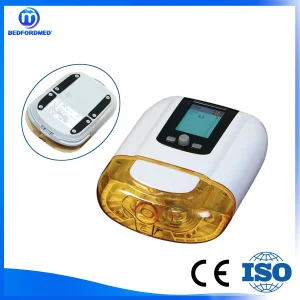
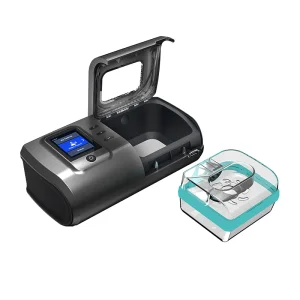
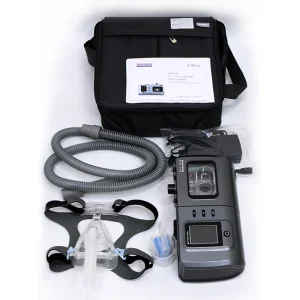
Modern BiPAP and CPAP machines are no longer static. AI algorithms now analyze breath-by-breath data to adjust pressure in real-time, significantly increasing patient compliance and comfort levels.
Integration with IoT allows physicians to monitor patient progress remotely. Data-driven insights enable early intervention, reducing hospital readmission rates for chronic patients.
The shift from "stationary" to "mobile" is clear. Advances in lithium-ion density and efficient motor design mean ventilators are becoming smaller, quieter, and more travel-friendly.
Leading factories are moving toward biocompatible materials and recyclable filters, reducing the environmental footprint of medical waste in respiratory care.
Self-diagnostic capabilities in medical transport ventilators (like the Mindray SV800) ensure the device is always ready for emergency deployment, alerting users before a failure occurs.
Engineering the Breath of Life
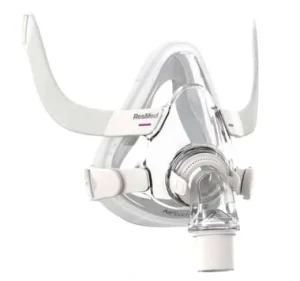
Emphasis on high-precision flow sensors and pressure regulators. Non-invasive ventilation (NIV) mask design focuses on minimizing skin irritation and leaks.
Respiratory devices will become part of a holistic smart home ecosystem. Syncing data with heart rate monitors and sleep trackers to provide a complete health profile.
Ventilators that "learn" a patient's breathing rhythm and predict potential exacerbations using deep learning, effectively acting as an external autonomous lung assistant.
Where Respiratory Innovation Meets Real-World Needs
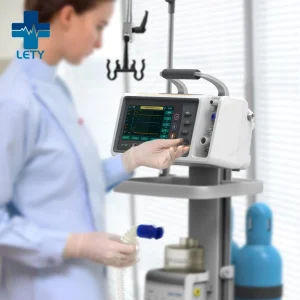
Transitioning patients from invasive to non-invasive ventilation using ICU-grade portable units that ensure continuity of care during transport.
User-friendly interfaces for elderly patients managing COPD at home, focusing on quiet operation and simplified maintenance protocols.
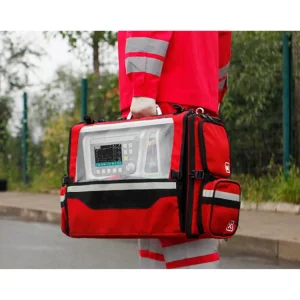
Ruggedized ventilators designed for ambulances and helicopters, capable of withstanding vibrations and extreme environmental conditions while maintaining clinical accuracy.
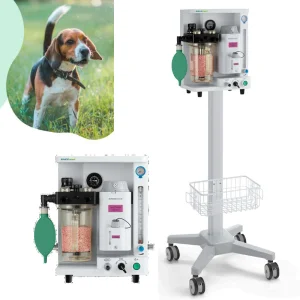
Adapting human-grade ventilation technology for pet clinics, providing life-saving support for animals during complex surgeries or recovery.
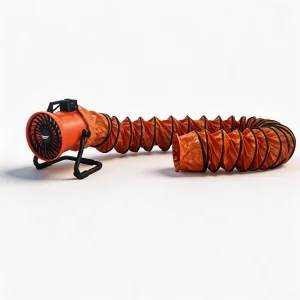
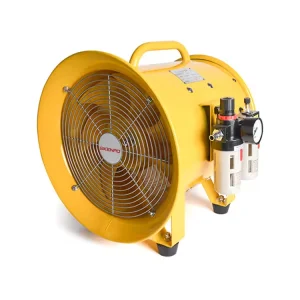
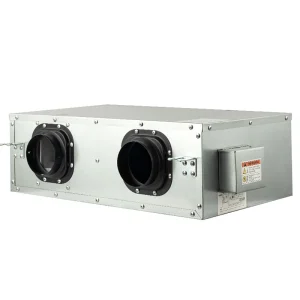
High-quality axial fans and portable blower ventilators for hazardous environments, ensuring air safety in commercial and industrial workspaces.
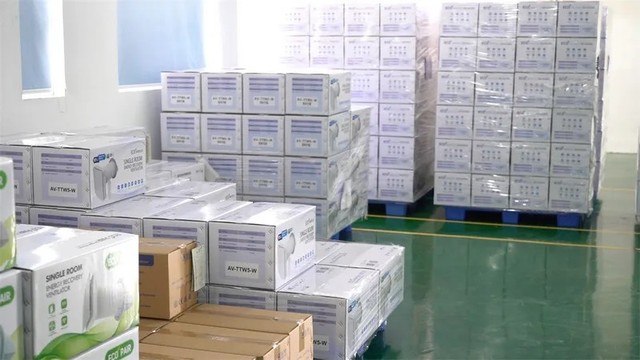
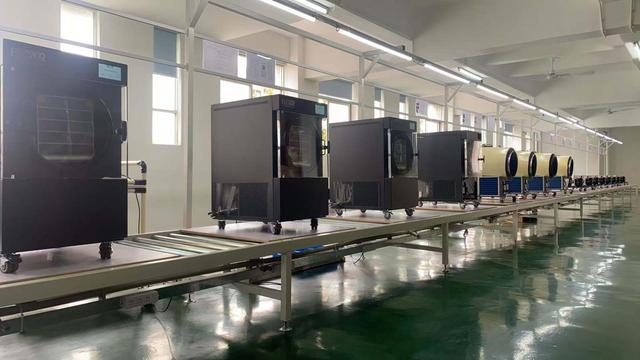
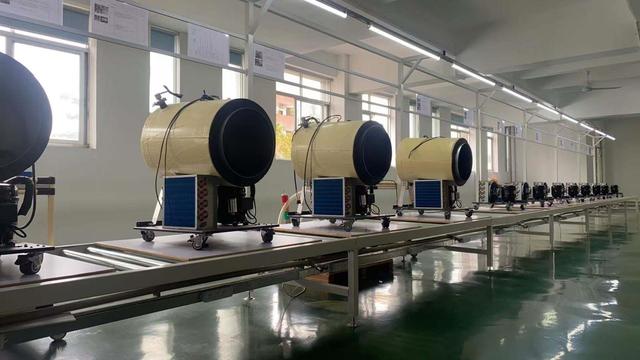
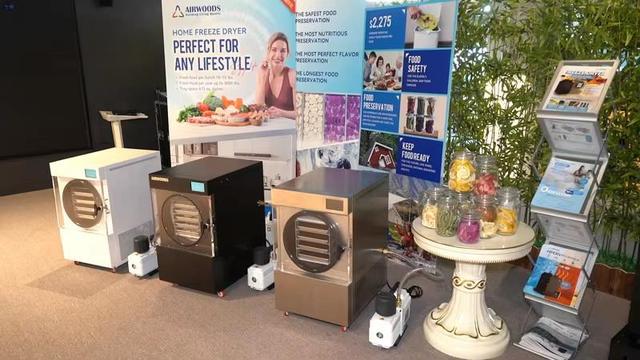
Visualizing our commitment to excellence and manufacturing precision.

Expert answers to the most common industry questions.
Versatile equipment for every medical and industrial respiratory requirement.
 QMS Medical