Deploying high-precision, intelligent clinical respirators engineered to meet the stringent demands of infant pediatric intensive care in northern Bangladesh.
A professional audit of local ICU capabilities, infrastructure expansion, and infant respiratory demands in northern Bangladesh.
Rajshahi Division is transitioning rapidly towards modernized healthcare. Serving as the vital medical referral hub for northern Bangladesh, institutions like the Rajshahi Medical College Hospital (RMCH), along with numerous private clinics and regional pediatric facilities, are experiencing unprecedented demands for advanced Neonatal Intensive Care Units (NICUs). Historically, the region suffered from high rates of neonatal respiratory failure due to conditions like infant Respiratory Distress Syndrome (RDS), transient tachypnea of the newborn (TTN), and meconium aspiration syndrome.
Building high-performance NICUs requires robust, resilient respiratory machinery capable of handling micro-tidal volumes. Infant physiology demands extremely precise airflow control (typically down to 2ml tidal volumes). For procurement agencies, private hospital groups, and government agencies operating within Rajshahi, partnering directly with certified ventilator manufacturers provides the crucial technology needed to secure life-saving medical devices with high precision control systems.
In Rajshahi's industrial and urban framework, medical clinics and state hospitals must adapt to occasional voltage fluctuations and centralized gas supply bottlenecks. Unlike adult ventilation systems, neonatal respirators cannot tolerate even momentary power drops or oxygen pressure instability. Modern pediatric ventilators deployed in these regions must incorporate dual features: a high-capacity internal medical air compressor (to bypass the lack of centralized piped wall air) and high-density, hot-swappable backup batteries.
Integrating turbine-driven neonatal ventilators offers a highly efficient technological alternative for Rajshahi's clinical landscape. Direct electronic drive systems eliminate the dependence on pressurized central wall air, ensuring continuous treatment even in remote clinics or emergency transport scenarios across rural municipalities.
Driving clinical innovations: from conventional mechanical pressure support to advanced AI-enabled closed-loop protective ventilation.
Focuses on non-invasive therapy using continuous air-oxygen blending. Bubble CPAP systems utilize liquid pressure chambers to create oscillatory pressure waves, which stimulate optimal alveolar expansion without causing barotrauma.
Designed for severe lung injuries. This system applies high frequencies (5-15 Hz) to manage carbon dioxide washout under low tidal volumes, preventing lung damage and reducing the incidence of chronic lung disease (CLD) in premature infants.
Real-time sensory feedback loops automatically adjust pressure delivery to match patient compliance. Algorithms monitor each micro-breath to ensure exact volume maintenance, compensating instantly for endotracheal tube leaks.
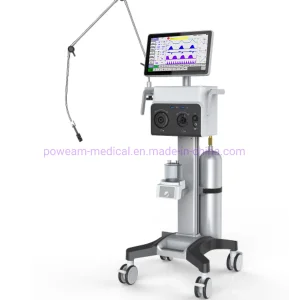
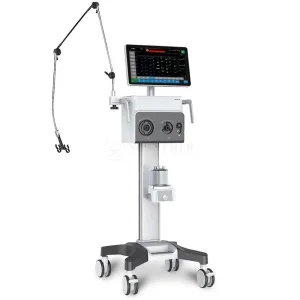
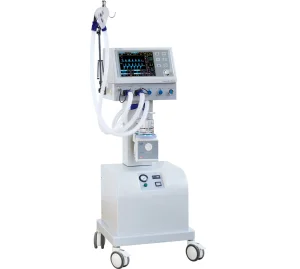
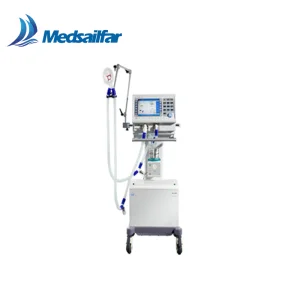
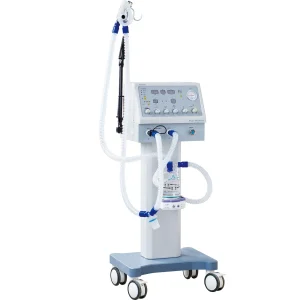
QMS high-frequency neonatal respirators feature a turbine system that eliminates the need for external oxygen/air pipelines, providing uninterrupted breathing support for critical neonatal transport.
Placing sensors close to the baby's airway allows our systems to monitor parameters under 1 mL, ensuring synchrony between the infant's spontaneous breaths and the ventilator.
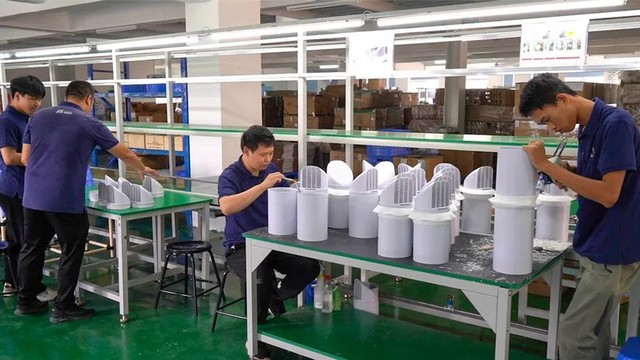
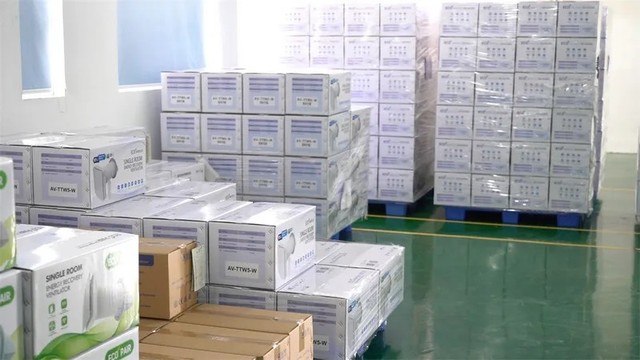
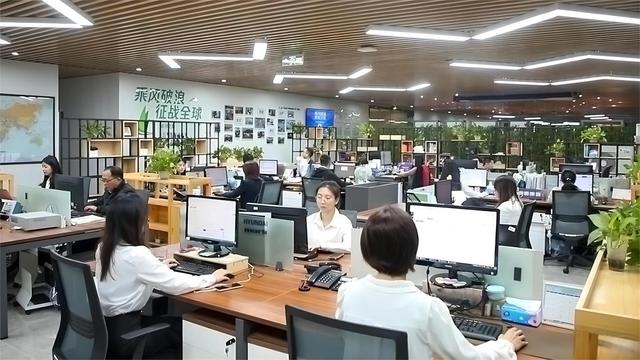
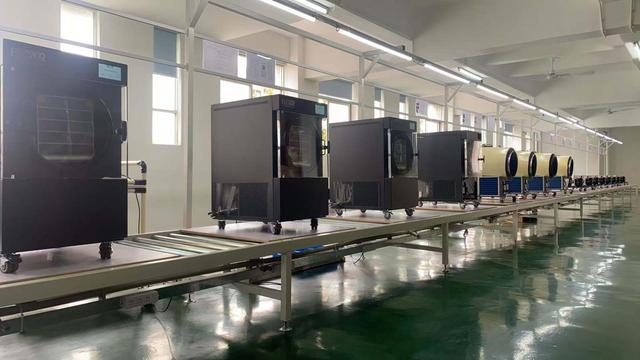
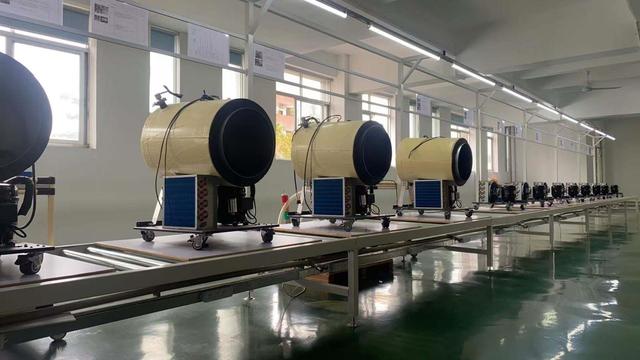
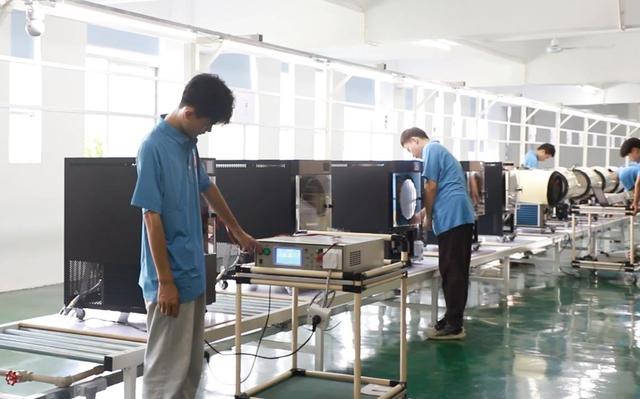
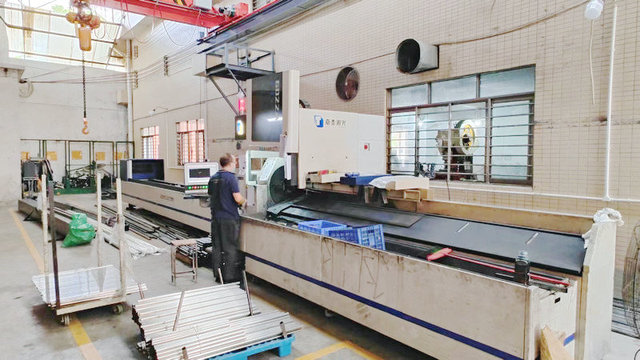
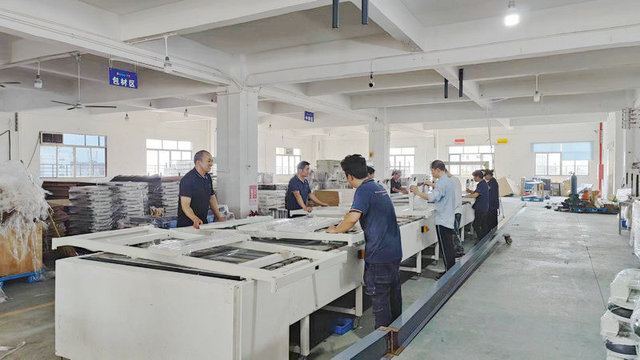
Showcasing the production capabilities of Hangzhou QMS Medical Co., Ltd. - your trusted partner in critical respiratory care manufacturing.
Hangzhou QMS Medical Co., Ltd. is a professional manufacturer specializing in medical ventilators, ICU ventilation systems, and respiratory care equipment for healthcare institutions worldwide. Established in 2015, the company is located in Hangzhou, China, a city recognized for its strong medical technology and advanced manufacturing industries.
The company operates a modern production facility covering approximately 10,000 square meters and employs more than 220 skilled professionals, including engineers, technicians, and quality management specialists. QMS Medical focuses on the research, development, production, and supply of respiratory support technologies designed for hospitals, intensive care units, emergency departments, ambulance services, and home healthcare applications.
Its product portfolio includes ICU ventilators, portable ventilators, transport ventilators, emergency respiratory support systems, non-invasive ventilation devices, and intelligent patient monitoring integration solutions. The company continuously invests in product innovation and engineering development to improve ventilation performance, operational reliability, and clinical usability across diverse healthcare environments.
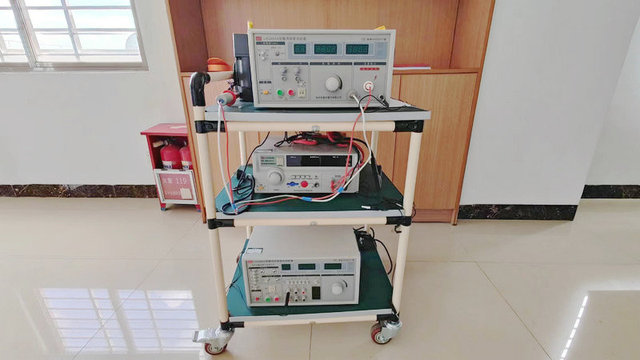
Supported by a dedicated R&D team and advanced manufacturing capabilities, QMS Medical implements comprehensive quality management procedures throughout product design, component sourcing, assembly, testing, and final inspection. The company is committed to delivering respiratory care solutions that support healthcare professionals in managing critical and long-term respiratory conditions.
Serving customers across Europe, North America, Asia, the Middle East, Africa, and Latin America, Hangzhou QMS Medical Co., Ltd. provides flexible OEM and ODM manufacturing services to meet different market requirements. Through continuous technological advancement and customer-focused development, the company aims to contribute to the global healthcare industry by providing reliable, efficient, and innovative respiratory care equipment for modern medical applications.
How QMS bridges international logistics, DGDA compliance, and on-site clinical validation in Bangladesh.
Importing advanced clinical hardware into Bangladesh requires strict adherence to the Directorate General of Drug Administration (DGDA) guidelines. All QMS Medical ventilators are manufactured in compliance with ISO 13485 quality systems and hold CE certifications. We provide comprehensive documentation packages, including FDA certifications, CE declarations, technical data sheets, and clinical trial results, ensuring a smooth customs clearance process at Chittagong or Mongla ports before transit to Rajshahi.
To address the challenge of device downtime in regional medical centers, QMS implements a local distributor partnership network. We provide remote video diagnostic support and fly-in clinical training courses for hospital biomedical teams in Rajshahi. We ensure a consistent supply of spare parts (valves, breathing circuits, oxygen sensors, and calibration filters) to keep essential critical care machinery operational when it matters most.
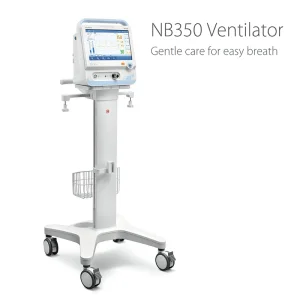
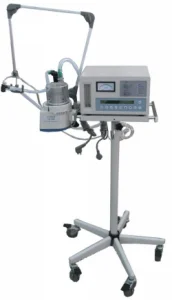
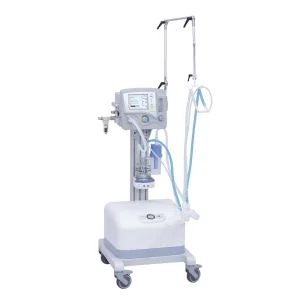
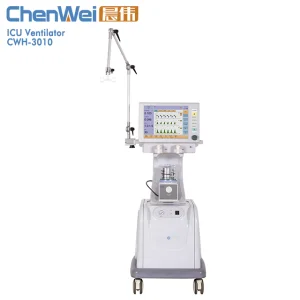
Select from our specialized medical devices, designed to deliver targeted breathing support in intensive care units, emergency wards, and surgical suites.
Get detailed technical and logistical answers regarding medical equipment imports into Bangladesh.
 QMS Medical