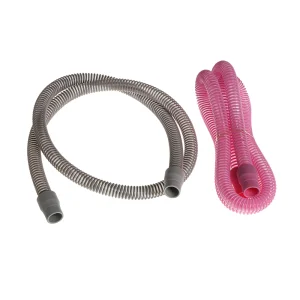
Ambulatory ventilators represent the pinnacle of portable respiratory care, bridging the critical gap between intensive care units and pre-hospital emergency settings. As global healthcare systems face increasing pressure from aging populations and chronic respiratory conditions, the demand for high-performance, mobile ventilation technology has reached an unprecedented scale. In the current industrial landscape, China has emerged as a global hub for the manufacturing and innovation of these devices, combining advanced electronics with precision fluid dynamics.
The global ambulatory ventilator market is projected to witness a CAGR of over 7.5% through 2030. This growth is driven by the decentralization of healthcare, where treatment moves from centralized hospitals to home-based and mobile environments.
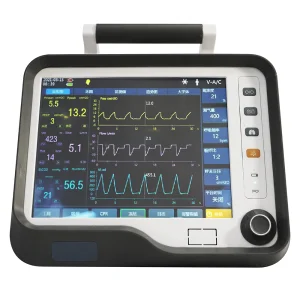
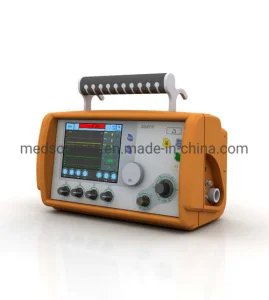
Modern ambulatory ventilators are no longer just "emergency bags." They incorporate turbine-driven high-flow systems, sensitive trigger algorithms, and integrated O2 concentrators, allowing for ICU-grade support in a 5kg package.
Leading Chinese factories now adhere to stringent international standards including ISO 13485, CE (MDR), and FDA clearances, ensuring that products are reliable for the most demanding clinical scenarios.
The transition from pneumatic-driven systems to electronic turbine-driven technology has been a game-changer. It eliminates the heavy reliance on external compressed air cylinders, providing greater autonomy for paramedics and transport teams. This technological shift is a core focus for Tier-1 suppliers in China, who are now leading the charge in "Smart Ventilation" integrated with AI diagnostics.
Hangzhou QMS Medical Co., Ltd. is a professional manufacturer specializing in medical ventilators, ICU ventilation systems, and respiratory care equipment for healthcare institutions worldwide. Established in 2015, the company is located in Hangzhou, China, a city recognized for its strong medical technology and advanced manufacturing industries.
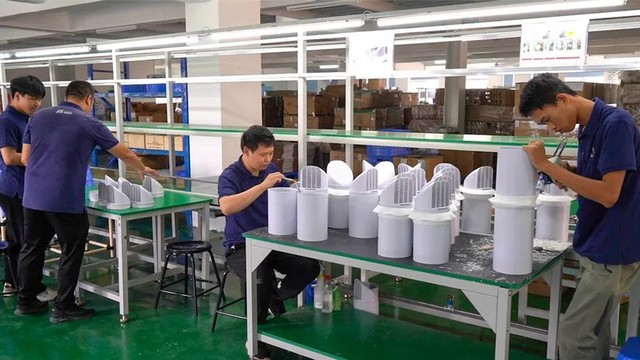
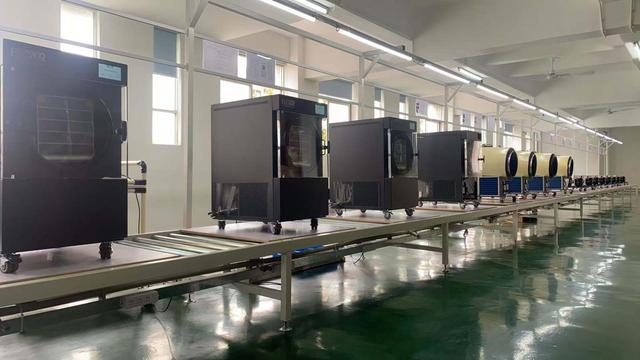
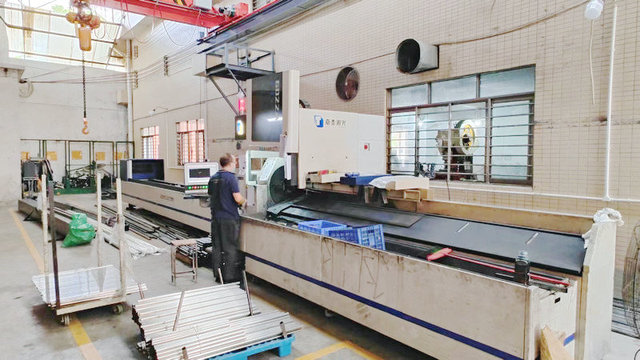
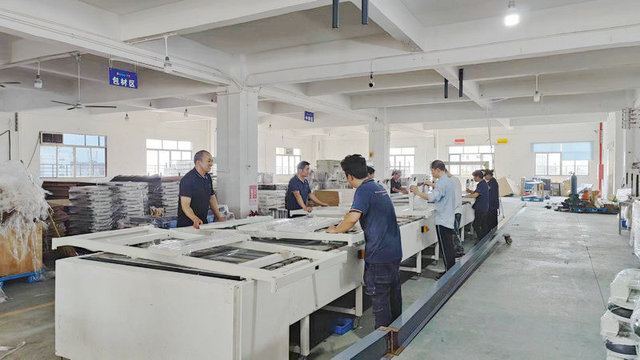
The company operates a modern production facility covering approximately 10,000 square meters and employs more than 220 skilled professionals, including engineers, technicians, and quality management specialists. QMS Medical focuses on the research, development, production, and supply of respiratory support technologies designed for hospitals, intensive care units, emergency departments, ambulance services, and home healthcare applications.
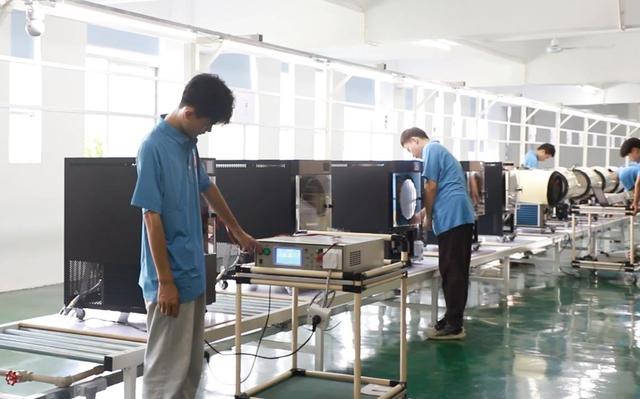
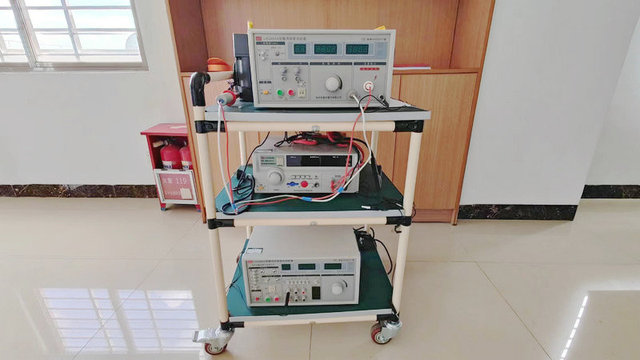
Supported by a dedicated R&D team and advanced manufacturing capabilities, QMS Medical implements comprehensive quality management procedures throughout product design, component sourcing, assembly, testing, and final inspection. The company is committed to delivering respiratory care solutions that support healthcare professionals in managing critical and long-term respiratory conditions.
Serving customers across Europe, North America, Asia, the Middle East, Africa, and Latin America, Hangzhou QMS Medical Co., Ltd. provides flexible OEM and ODM manufacturing services to meet different market requirements. Through continuous technological advancement and customer-focused development, the company aims to contribute to the global healthcare industry by providing reliable, efficient, and innovative respiratory care equipment for modern medical applications.
Ambulatory ventilators are no longer confined to the back of an ambulance. Their versatility allows for diverse applications:
Providing life-saving oxygenation at the scene of accidents or during natural disasters where grid power is unavailable.
Moving critically ill ICU patients to Radiology for CT scans or to Operating Rooms without interrupting high-level ventilation.
Ruggedized, shock-resistant models designed for extreme environments, from high-altitude rescue to tactical medicine.
As a leading supplier, we don't just provide hardware; we provide integrated respiratory ecosystems. Our macro solutions include:

 QMS Medical