Explore our state-of-the-art respiratory support configurations, therapeutic ventilation machines, and environmental regulatory subsystems engineered for clinical reliability.
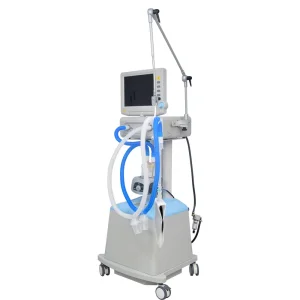
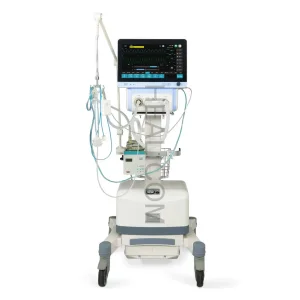
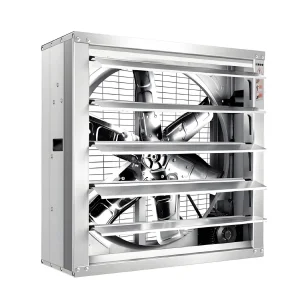
The global market for respiratory care devices is undergoing a structural paradigm shift. Driven by aging demographics, the rising incidence of chronic obstructive pulmonary disease (COPD), acute respiratory distress syndrome (ARDS), and post-pandemic emergency preparedness, healthcare systems demand absolute reliability in mechanical and non-invasive ventilation technologies. As clinical requirements become more stringent, selecting the right respiratory medical equipment manufacturer involves evaluating complex criteria: engineering capability, supply chain resilience, and global regulatory compliance.
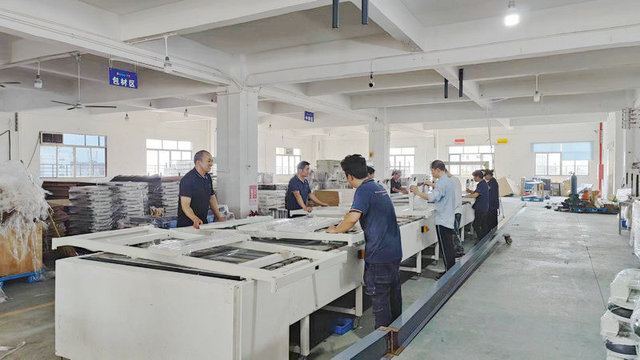
Within this ecosystem, Hangzhou QMS Medical Co., Ltd. stands as a benchmark manufacturer specializing in medical ventilators, ICU ventilation systems, and complex respiratory care equipment. Established in 2015 in Hangzhou, China—a region internationally recognized as a hub for advanced digital manufacturing and biotechnology—QMS Medical has developed a reputation for clinical performance and manufacturing discipline. Operating a modern facility spanning over 10,000 square meters and employing a highly skilled workforce of over 220 professionals, the company integrates original R&D with efficient, ISO-compliant manufacturing systems.
In analyzing the global manufacturing landscape, manufacturers typically split into two key tiers: multi-national premium medical corporations that drive fundamental research and development, and high-efficiency medical technology factories that specialize in mass-scale component sourcing, precision manufacturing, and customized OEM/ODM operations. Below, we examine the structural advantages that define the Top 10 players globally, with a focus on manufacturing excellence, quality control, and clinical usability.
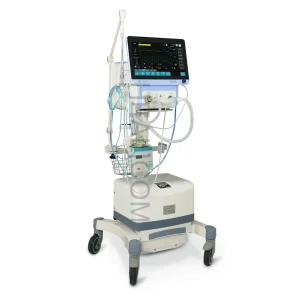
High-end ICU ventilation requires complex closed-loop algorithms capable of calculating real-time dynamic compliance, airway resistance, and patient-ventilator synchrony to prevent lung injury.
Top factories must maintain sterile assembly environments and rely on highly sensitive proportional valves and flow sensors capable of milliseconds response times to deliver exact oxygen fractions.
Global distributors require flexible localized parameter configurations, multiple language UI support, and hardware adaptions to match their domestic healthcare regulations and clinical habits.
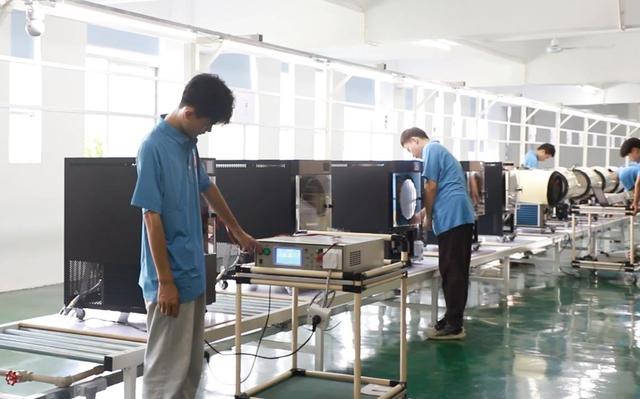
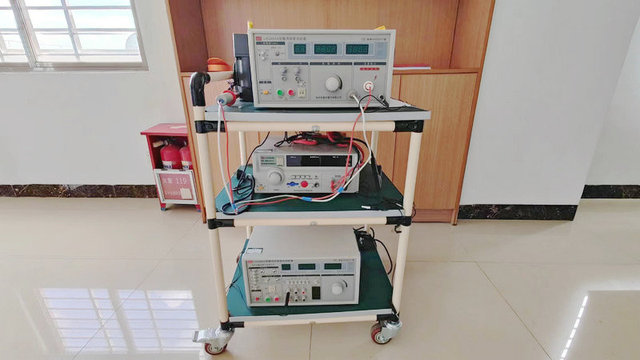
Hangzhou QMS Medical Co., Ltd. has carved out a unique position within this matrix. Unlike traditional assembly-only factories, QMS has heavily invested in in-house engineering and comprehensive testing rigs. This enables them to serve both as a reliable supplier under their own brand and as an agile manufacturing partner for global medical brands looking to optimize their cost-to-performance ratio without sacrificing clinical safety.
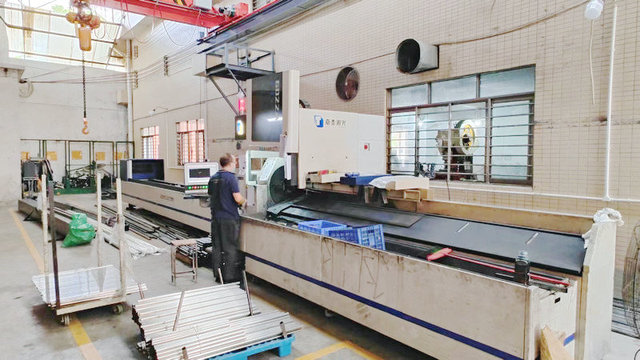
The concentration of medical electronic supply networks in the Yangtze River Delta gives Chinese factories a definitive speed-to-market advantage. At QMS Medical, raw component sourcing, CNC machining, PCB design, silicone molding, and cleanroom packaging are situated within tight geographic networks. This localized integration translates to three major performance highlights:
The next generation of respiratory care devices will rely heavily on clinical intelligence, real-time connectivity, and smart ventilation modes. Key developments on our current engineering roadmap include:
Integrating wireless data modules into hospital HL7 systems allows remote monitoring of tidal volumes, breath-by-breath compliance, and active alarms, decreasing the strain on intensive care nursing staff.
Adaptive ventilation profiles that respond to immediate variations in patient lung mechanics (e.g., changes in airway resistance due to fluid build-up or mucus) to safely adjust PEEP and driving pressure.
Refining neonatal-specific high-frequency systems to prevent lung barotrauma in premature infants by delivering very small tidal volumes at rapid, gentle cycles.
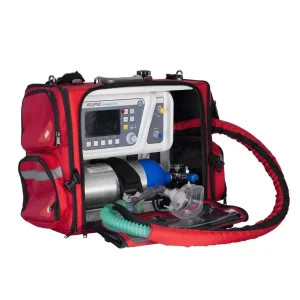
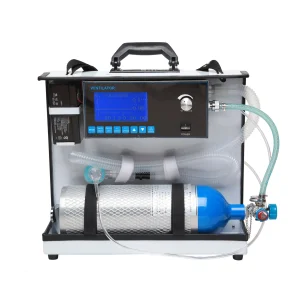
Modern ventilation units are no longer static machines fixed to an ICU wall. They must perform in diverse localized scenarios:
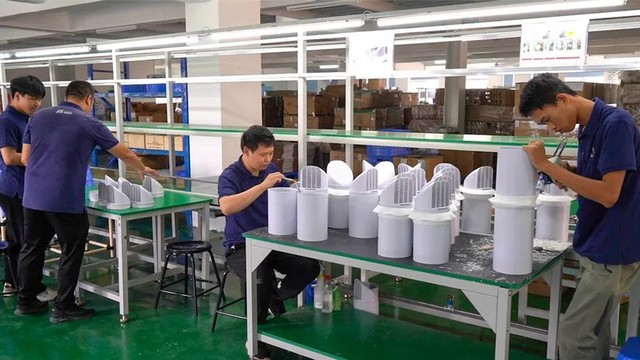
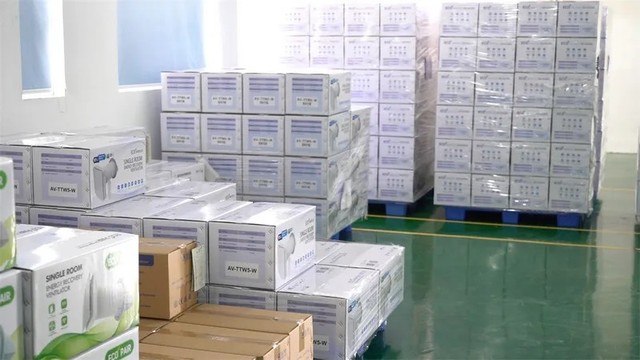

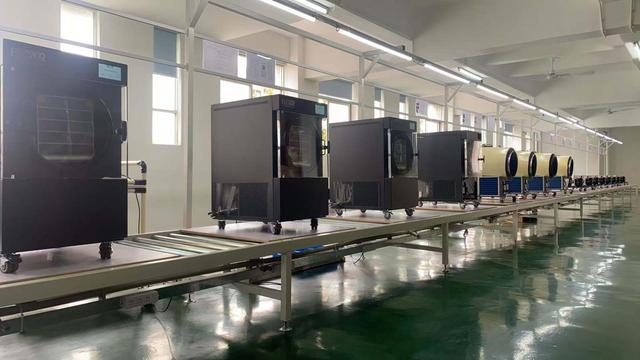
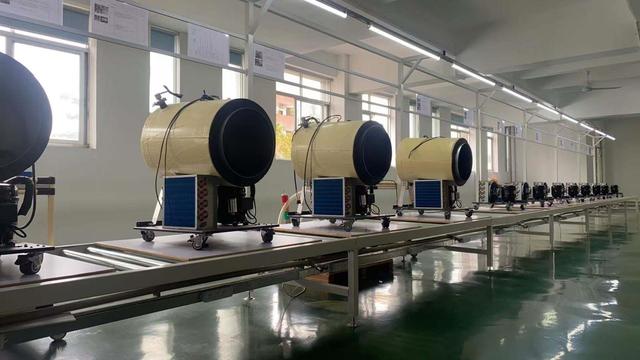
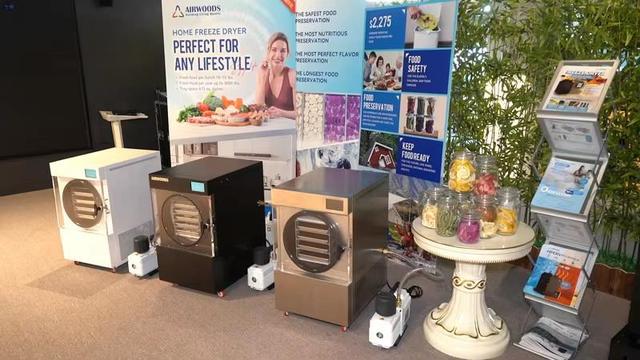
Continuous clinical support and mechanical aeration models designed to integrate seamlessly into diverse medical workflows and agricultural operations.
Key operational and supply chain questions compiled by our product engineers to assist procurement managers and clinical directors.
 QMS Medical