Industry-leading medical ventilators and life support systems designed for high-acuity environments.
A comprehensive white paper on technological breakthroughs and global market shifts.
The neonatal respiratory equipment market is undergoing a paradigm shift. Historically, invasive mechanical ventilation was the gold standard for treating Respiratory Distress Syndrome (RDS) in pre-term infants. However, the 2024-2030 forecast highlights a definitive move toward Non-Invasive Ventilation (NIV) strategies, such as Nasal CPAP and High-Flow Nasal Cannula (HFNC) therapy. The goal is to minimize lung injury (volutrauma) and prevent Bronchopulmonary Dysplasia (BPD).
High-Frequency Oscillatory Ventilation (HFOV) is now integrating AI-driven adaptive algorithms that adjust MAP (Mean Airway Pressure) in real-time based on lung compliance data.
Closed-loop oxygen saturation (SpO2) control is becoming a standard requirement for suppliers to prevent oxidative stress and Retinopathy of Prematurity (ROP).
Integration of IoT (Internet of Medical Things) allows neonatologists to monitor multiple ventilators remotely via centralized hospital dashboards.
For hospital procurement departments and global medical distributors, selecting a "Top Trusted Manufacturer" goes beyond the price point. Key E-E-A-T factors include:
How Hangzhou QMS Medical leverages advanced manufacturing to stabilize global healthcare supply.
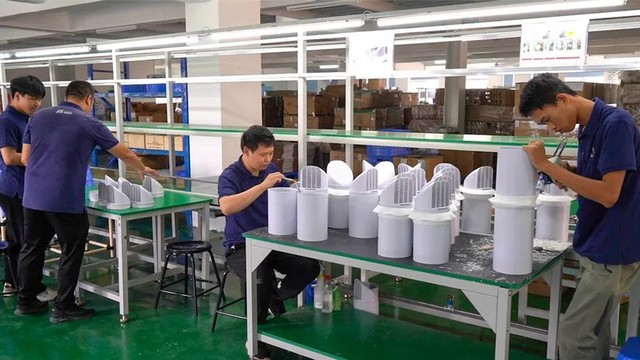
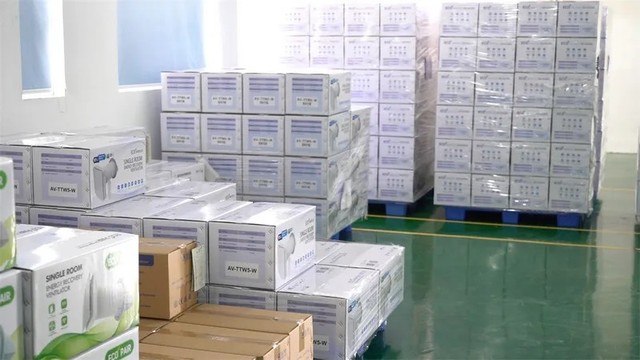
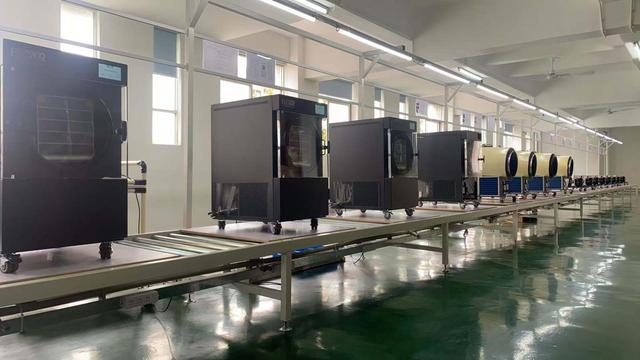
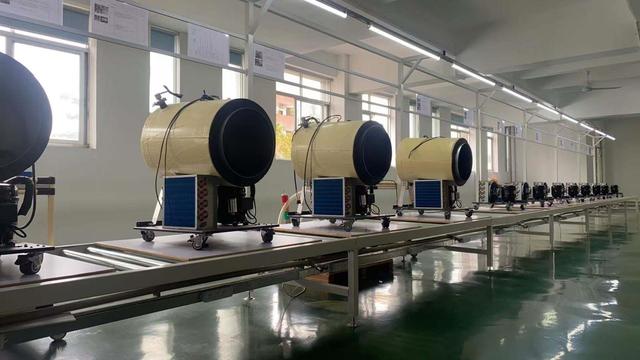
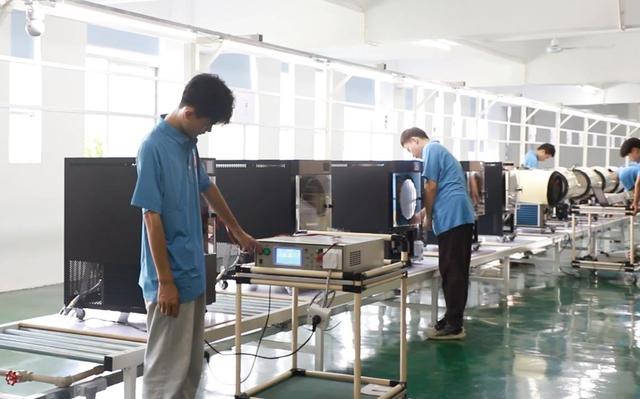
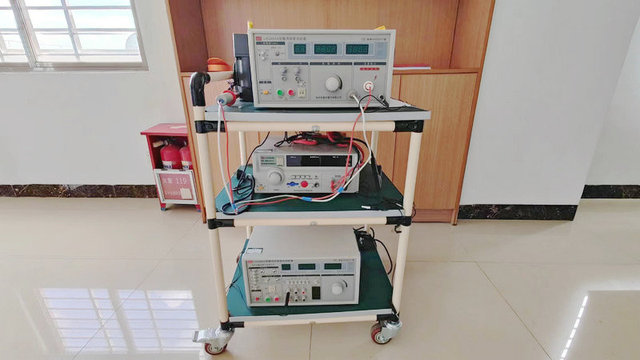
The "China Factory 4.0" initiative has transformed the medical manufacturing landscape. Manufacturers like Hangzhou QMS Medical Co., Ltd. utilize automated testing rigs and intelligent assembly lines to ensure that every ventilator delivers precise tidal volumes—even down to the 2ml required for extreme pre-term infants. This precision is backed by Hangzhou's robust medical tech ecosystem, ensuring rapid R&D cycles and competitive lead times.
Hangzhou QMS Medical Co., Ltd. is a professional manufacturer specializing in medical ventilators, ICU ventilation systems, and respiratory care equipment for healthcare institutions worldwide. Established in 2015, the company is located in Hangzhou, China, a city recognized for its strong medical technology and advanced manufacturing industries.
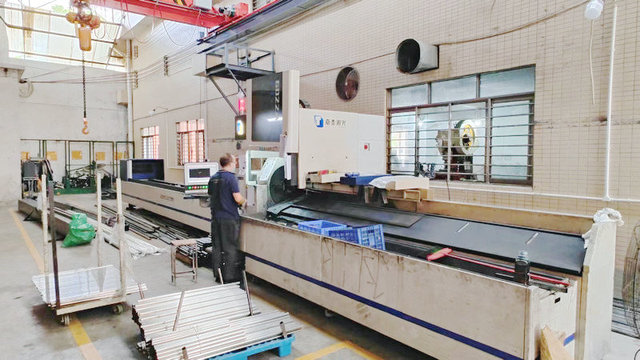
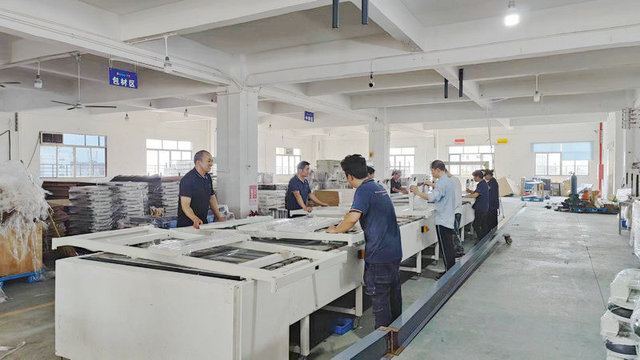
The company operates a modern production facility covering approximately 10,000 square meters and employs more than 220 skilled professionals, including engineers, technicians, and quality management specialists. QMS Medical focuses on the research, development, production, and supply of respiratory support technologies designed for hospitals, intensive care units, emergency departments, ambulance services, and home healthcare applications.
Its product portfolio includes ICU ventilators, portable ventilators, transport ventilators, emergency respiratory support systems, non-invasive ventilation devices, and intelligent patient monitoring integration solutions. The company continuously invests in product innovation and engineering development to improve ventilation performance, operational reliability, and clinical usability across diverse healthcare environments.
Supported by a dedicated R&D team and advanced manufacturing capabilities, QMS Medical implements comprehensive quality management procedures throughout product design, component sourcing, assembly, testing, and final inspection. The company is committed to delivering respiratory care solutions that support healthcare professionals in managing critical and long-term respiratory conditions.
Serving customers across Europe, North America, Asia, the Middle East, Africa, and Latin America, Hangzhou QMS Medical Co., Ltd. provides flexible OEM and ODM manufacturing services to meet different market requirements. Through continuous technological advancement and customer-focused development, the company aims to contribute to the global healthcare industry by providing reliable, efficient, and innovative respiratory care equipment for modern medical applications.

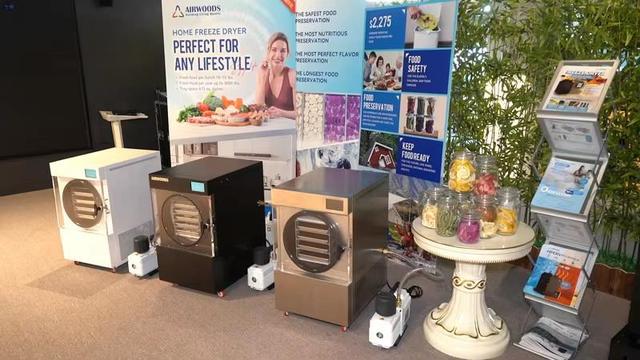
Adapting high-performance respiratory technology to diverse clinical settings.
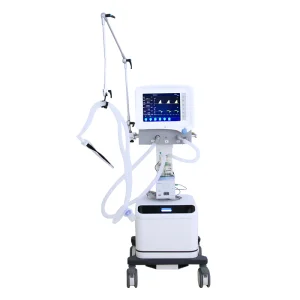
Providing high-frequency ventilation for complex cases with multi-organ involvement. Systems must feature advanced recruitment maneuver tools.
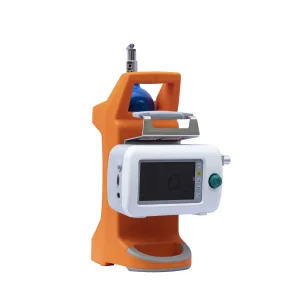
Lightweight, turbine-driven ventilators that operate independently of central gas supplies, crucial for inter-hospital transfers in remote regions.
Rapidly deployable, ruggedized units designed for extreme temperatures and humidity, ensuring life support where it's needed most.
Expert insights for healthcare professionals and medical distributors.
It requires a high-precision flow sensor and the ability to deliver tidal volumes as low as 2ml. The trigger sensitivity must be ultra-fast to match the high respiratory rate of infants.
Top manufacturers utilize "Stress Test" protocols including 72-hour continuous burn-in, vibration testing for transport simulation, and EMC compatibility for hospital environments.
Yes, we offer full customization of software interfaces, external branding, and specific language localization to meet various regional health ministry requirements.
They don't require high-pressure wall air, making them ideal for transport and clinics without built-in medical gas pipelines, reducing infrastructure costs.
From central vacuum systems to smart energy management for medical facilities.
 QMS Medical