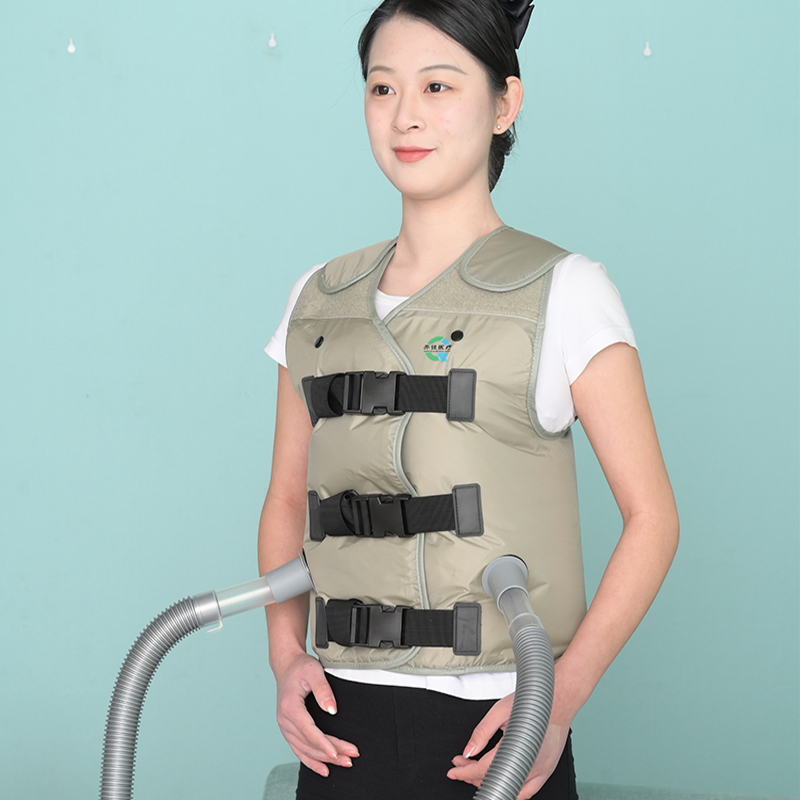
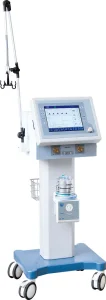
High Frequency Oscillation Expectoration System
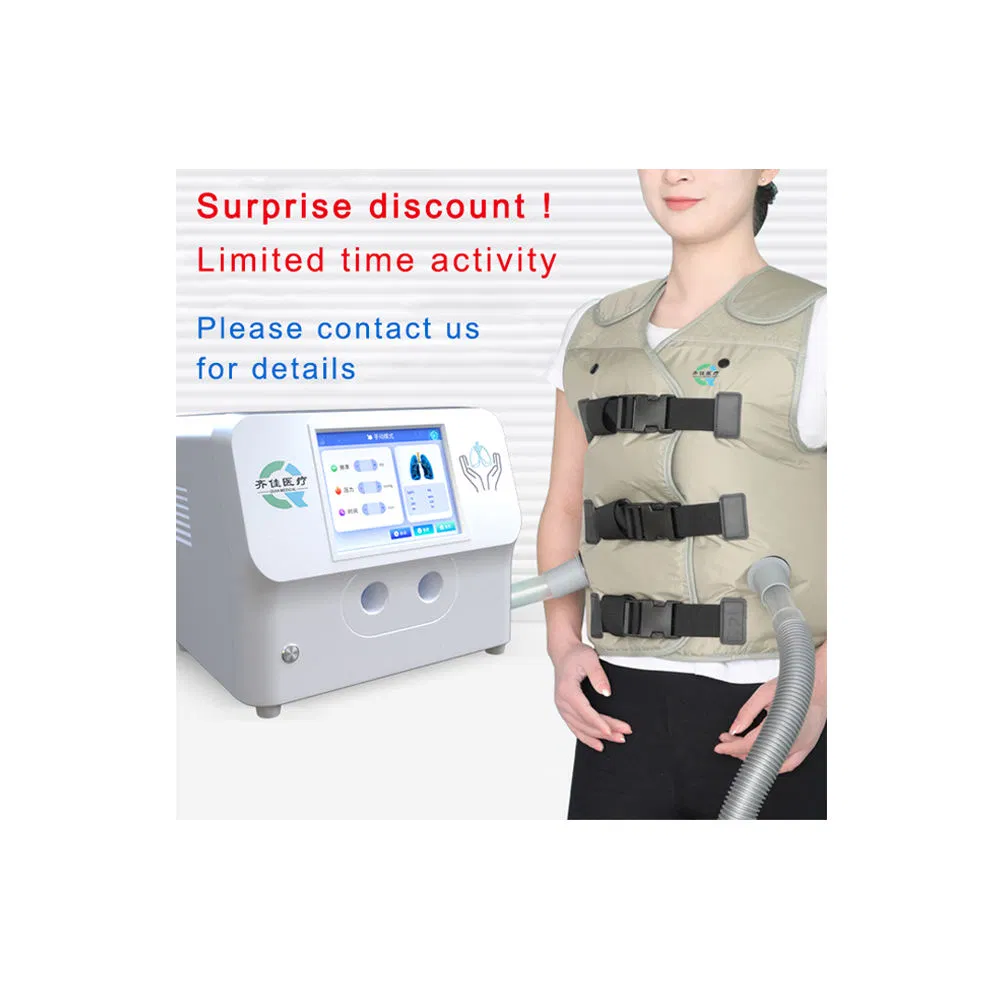
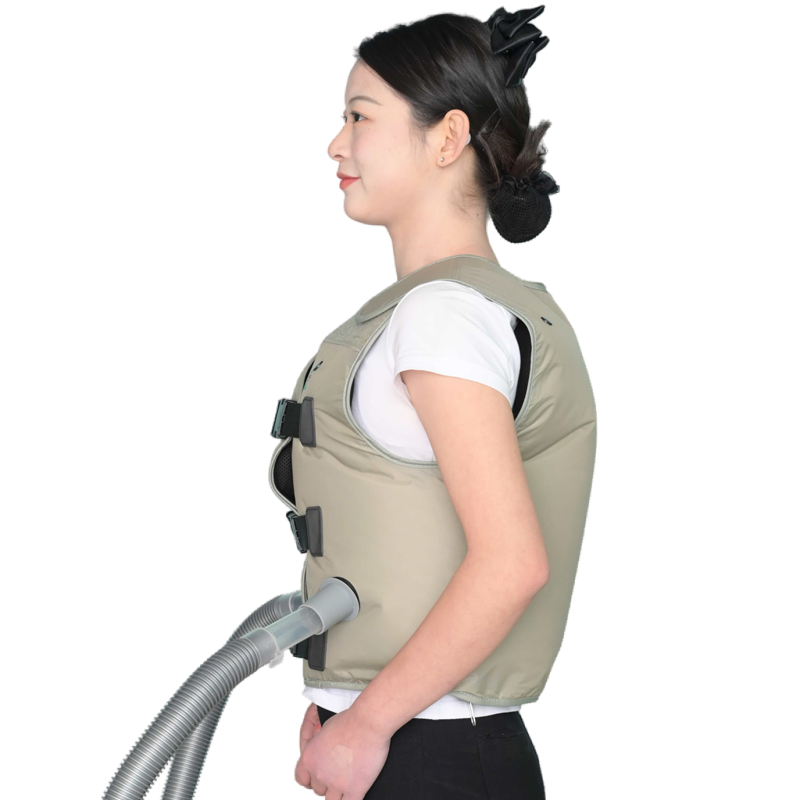
Product Introduction: This system utilizes High Frequency Chest Wall Oscillation (HFCWO) technology to promote relaxation, liquefaction, and detachment of secretions in the deep respiratory tract and lungs.
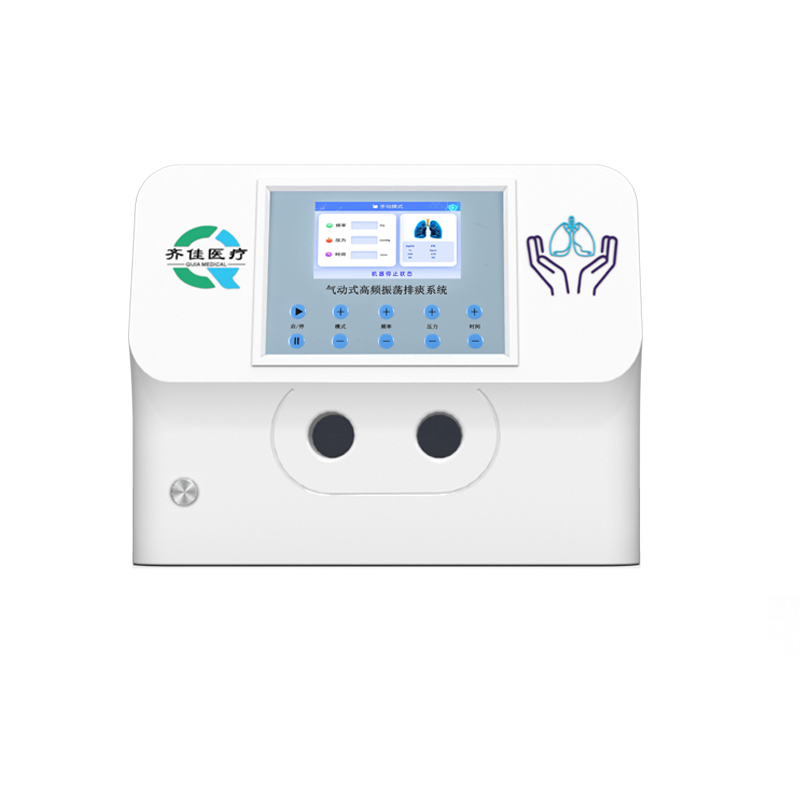
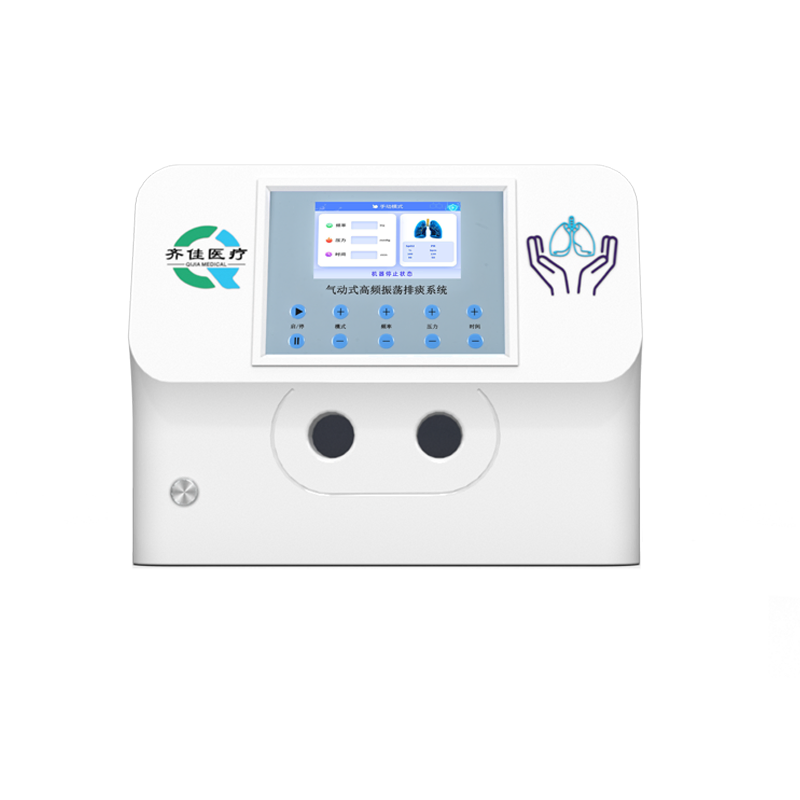
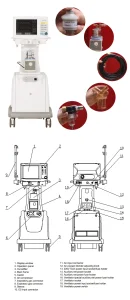
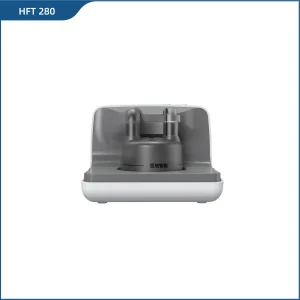
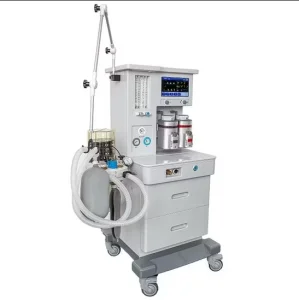
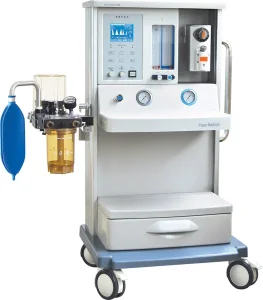
Host Machine
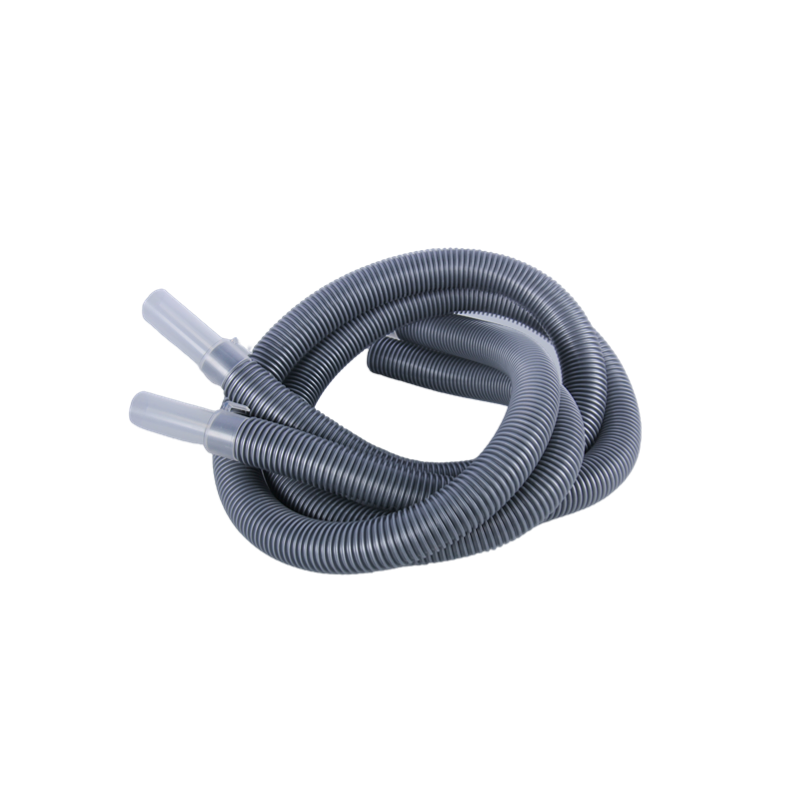
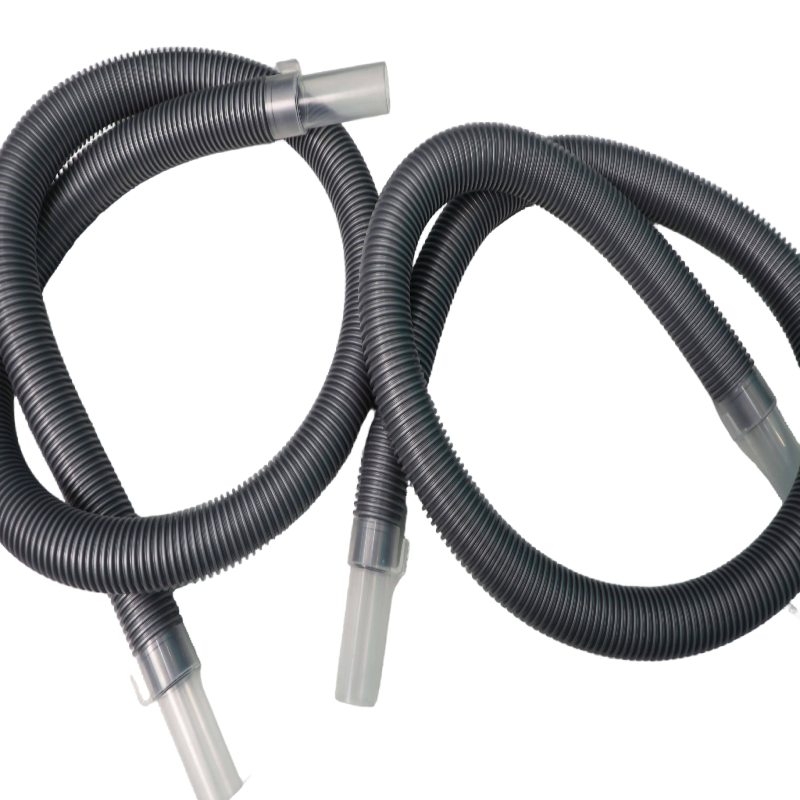
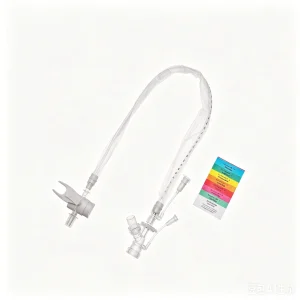
Pipeline Connection
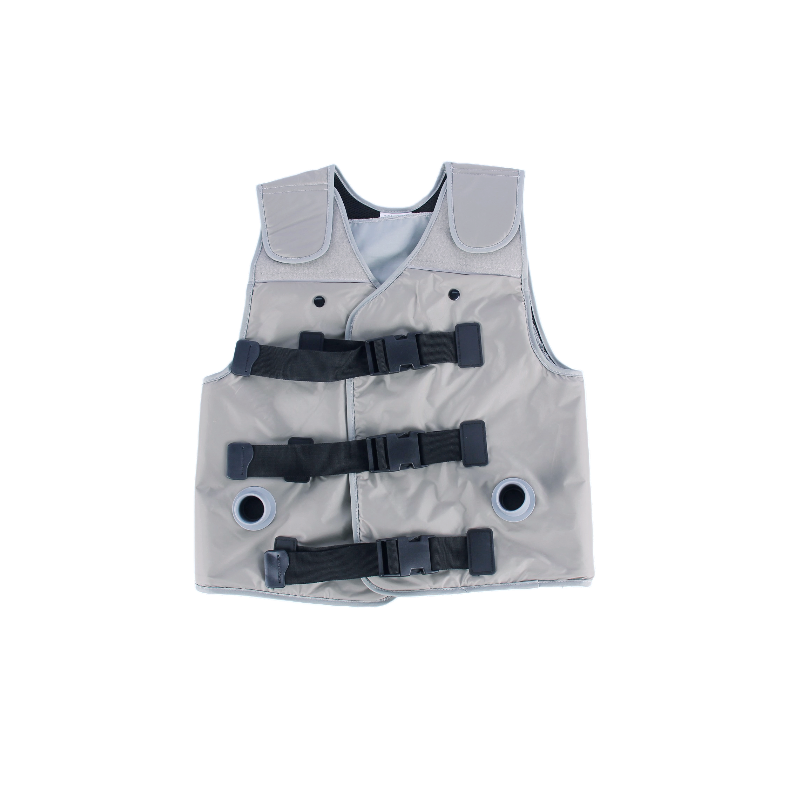
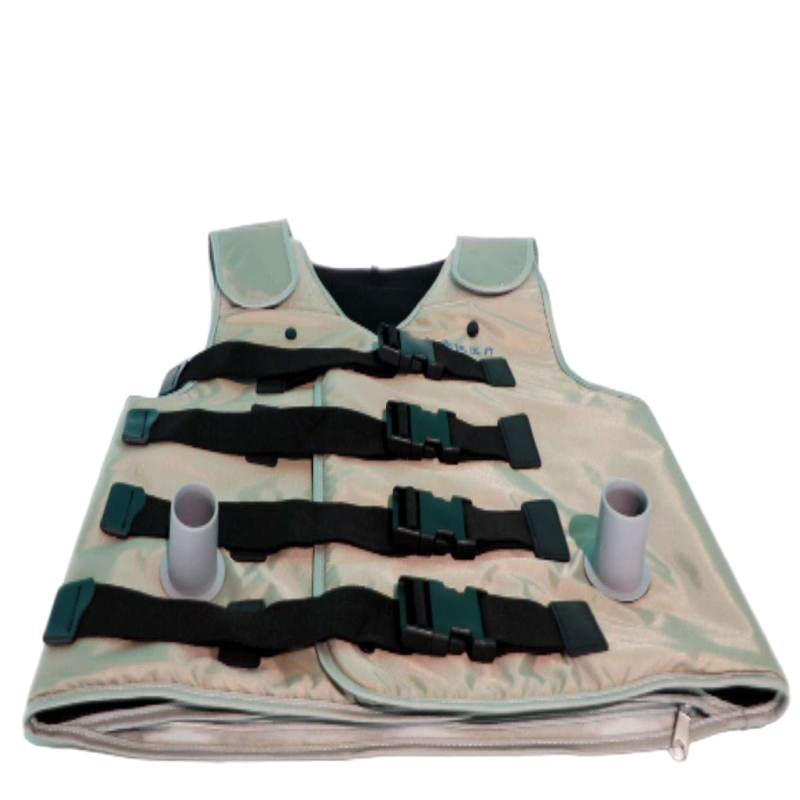
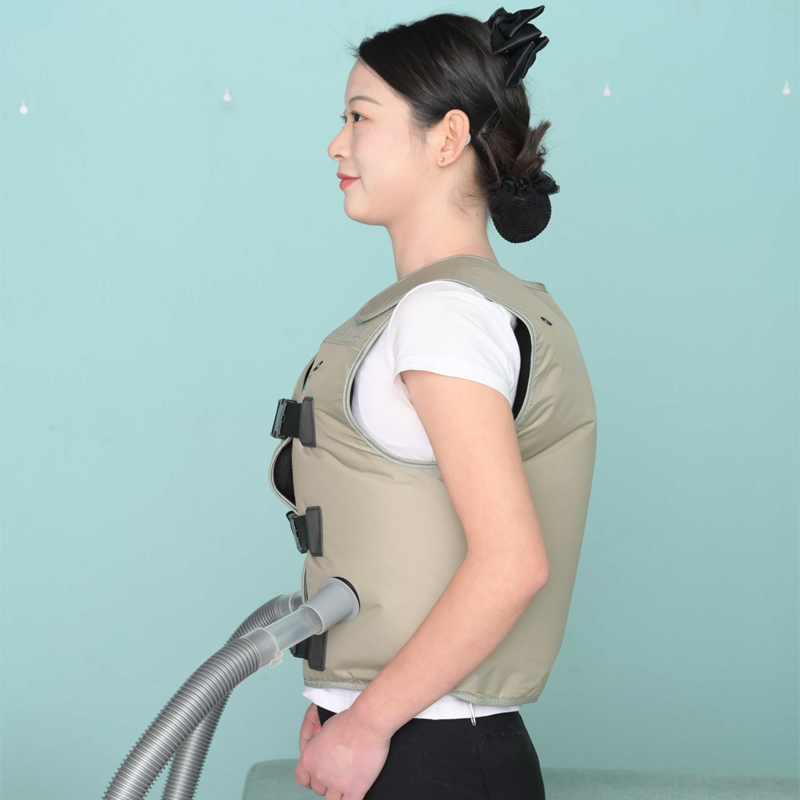
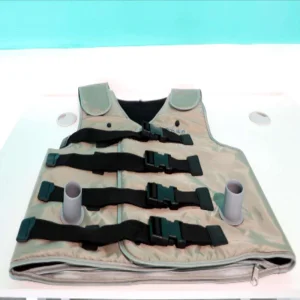
Detachable Vest
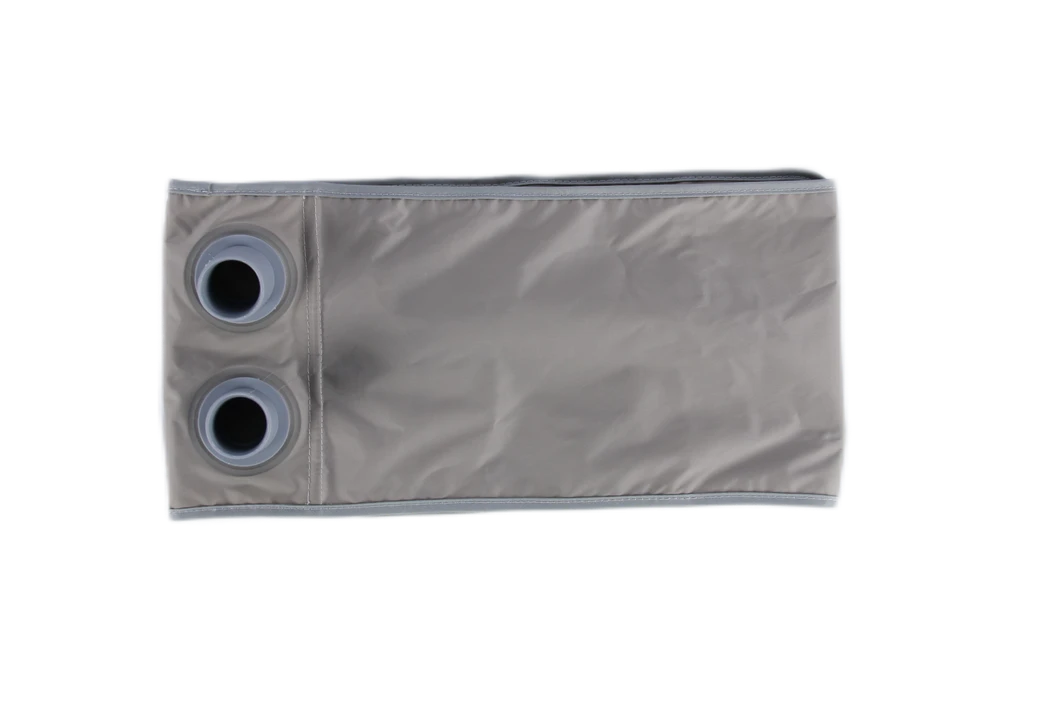
Inflatable Band
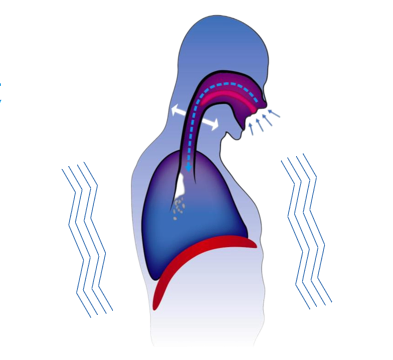
Mechanism of Action
Through pulse oscillation signals, the inflatable vest produces high-speed repetitive oscillations. This directional autonomous drainage moves secretions from the bronchus to the upper airways, allowing them to be expelled via coughing or artificial suction.
- 🔹 High Frequency Oscillation: Loosens deep lung sputum.
- 🔹 Air Driven: Forms autonomous upward airflow.
- 🔹 Sputum Movement: Facilitates directional clearance.
Clinical Indications
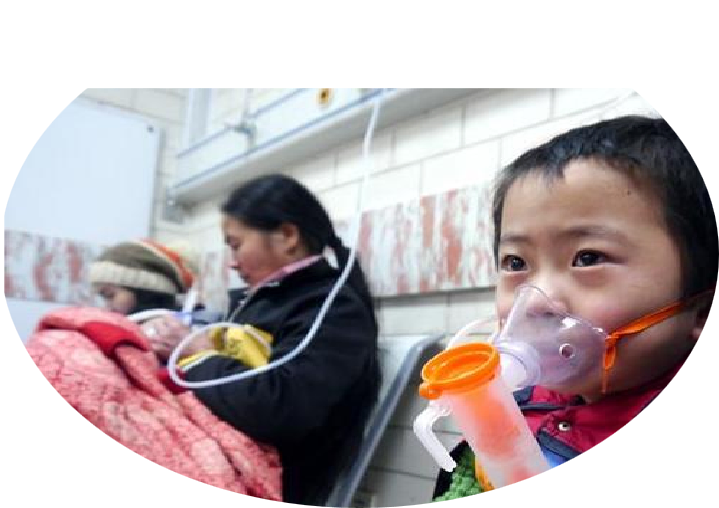
- Excessive or viscous sputum in the airway
- Chronic Obstructive Pulmonary Disease (COPD)
- Atelectasis and pulmonary infections
- Bronchiectasis and cystic pulmonary fibrosis
- Elderly or bedridden patients with weak cough
- Post-surgery recovery and drowsy patients
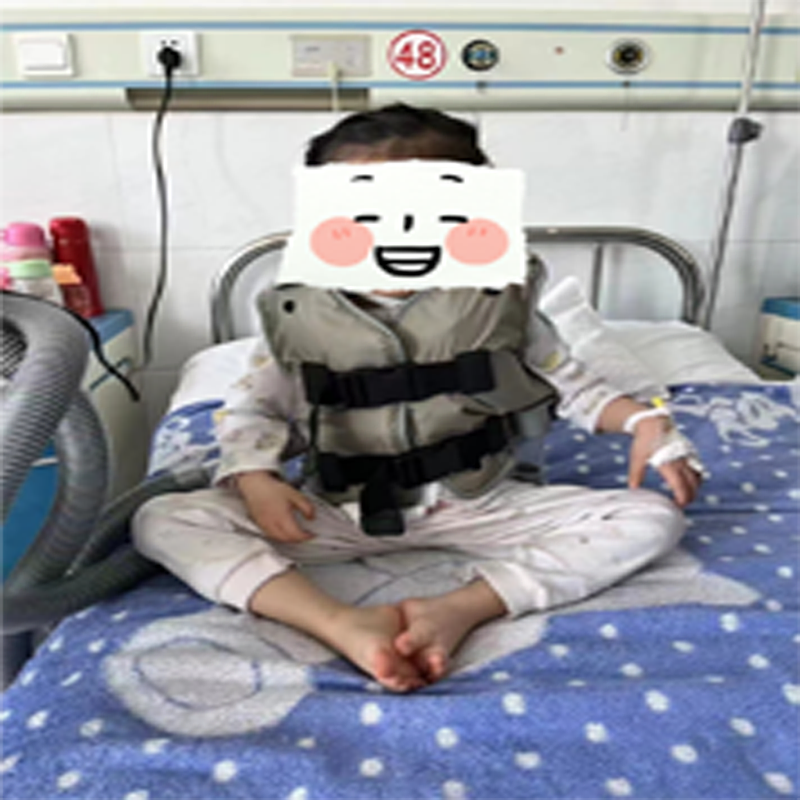
- Pediatric pneumonia and myasthenia gravis
Applicable Departments: Pneumology, Oncology, ICU, Pediatrics, Geriatrics, Surgery, and Emergency departments.
Clinical Performance & Research
| Group |
Day 1 (Expectoration) |
Day 2 (Expectoration) |
Day 3 (Expectoration) |
| HFCWO System Group |
43.97±9.62 |
49.20±12.54 |
48.07±10.25 |
| Traditional Vibration Group |
34.70±10.56 |
36.93±11.02 |
36.63±11.62 |
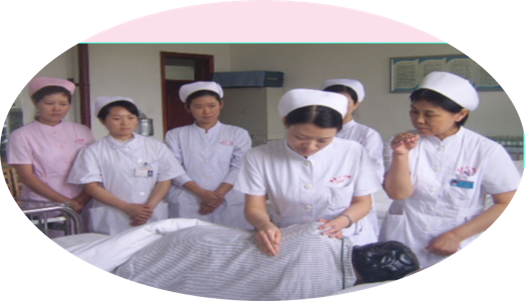
Conclusion: The High Frequency Oscillation System is superior to traditional vibration instruments in sputum clearance and significantly reduces nurse workload.
Frequently Asked Questions
How does High Frequency Chest Wall Oscillation (HFCWO) work?
The system uses a host machine to send pulse signals to an inflatable vest, creating rapid oscillations that liquefy and detach mucus from the deep lung walls, moving it toward the larger airways for easier removal.
Is the treatment comfortable for the patient?
Yes, the vest is designed for comfort and ease of use. Unlike manual chest physiotherapy, it does not require specific body positioning and provides consistent, gentle vibration that is well-tolerated by both adults and children.
When is the best time to perform the therapy?
It is recommended to perform the therapy either 30 minutes before a meal or at least 2 hours after a meal to ensure patient comfort and optimal effectiveness.
How long does a typical session last?
While session times can vary based on clinical needs, it is standard practice to pause every 5 to 10 minutes to allow the patient to cough or to perform suctioning of the loosened secretions.
What maintenance does the vest require?
The vest should be cleaned with regular household detergents or diluted disinfectants. For difficult stains, a soft brush can be used. In clinical settings with infectious diseases, dedicated patient-specific vests are recommended.
Can this system be used for pediatric patients?
Yes, the system is suitable for a wide range of patients, from newborns to the elderly, thanks to the variety of vest sizes and adjustable oscillation settings.
 QMS Medical