How High Frequency Oscillation Works
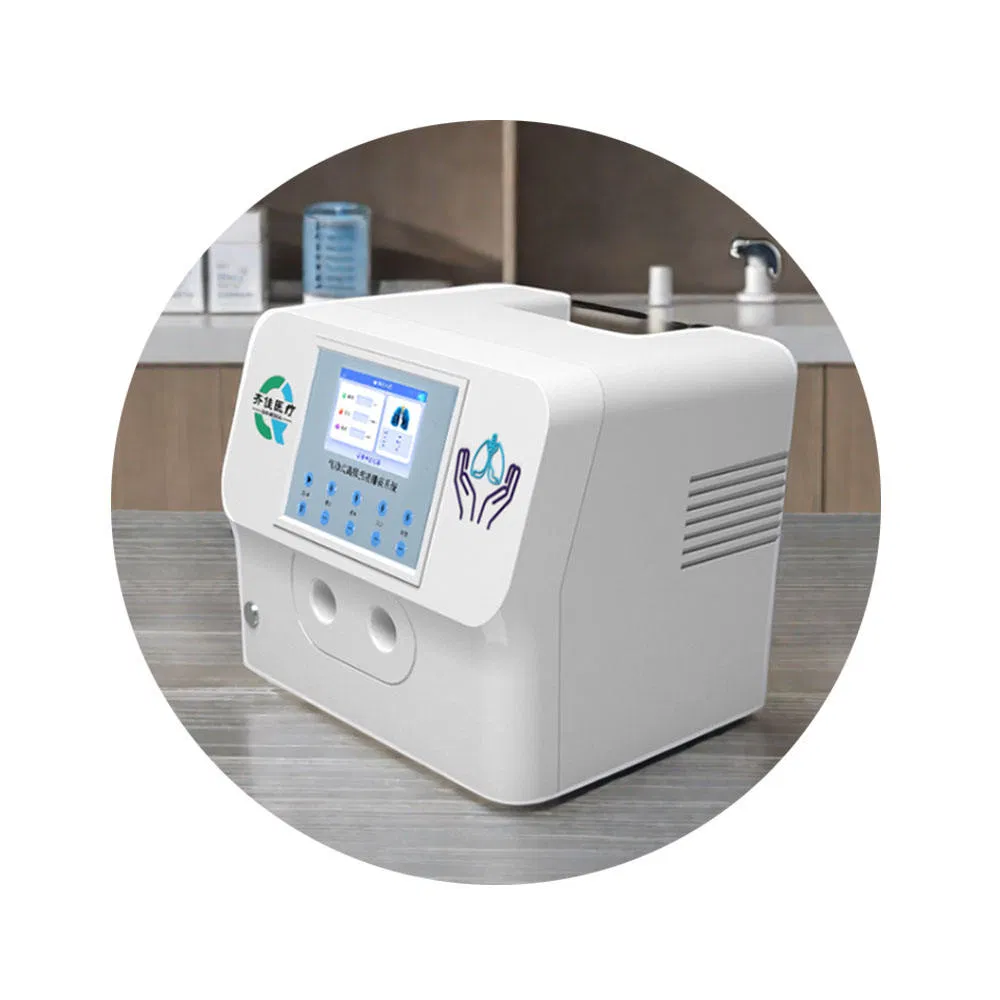
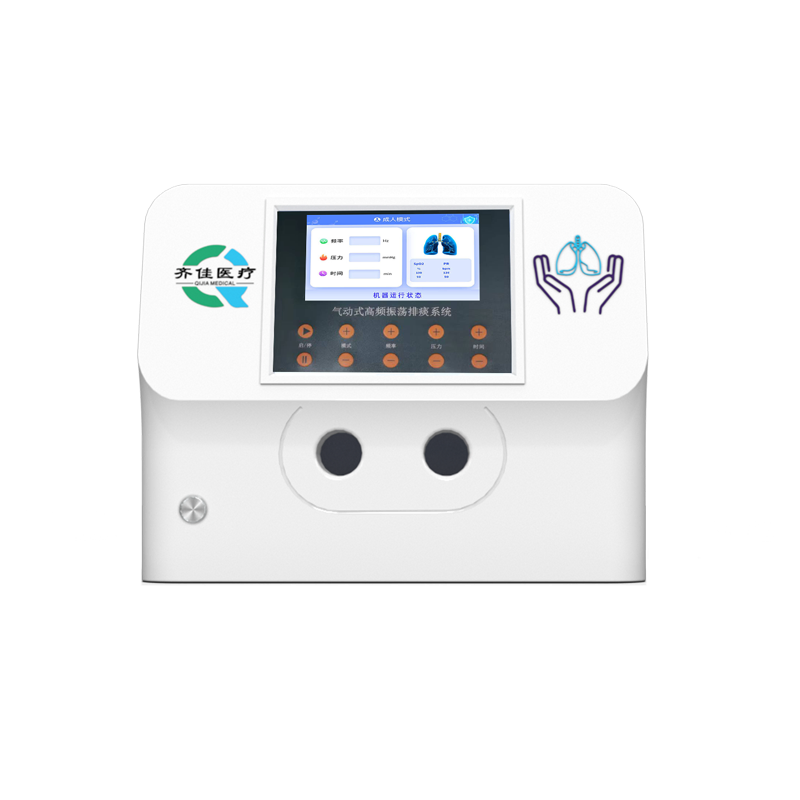
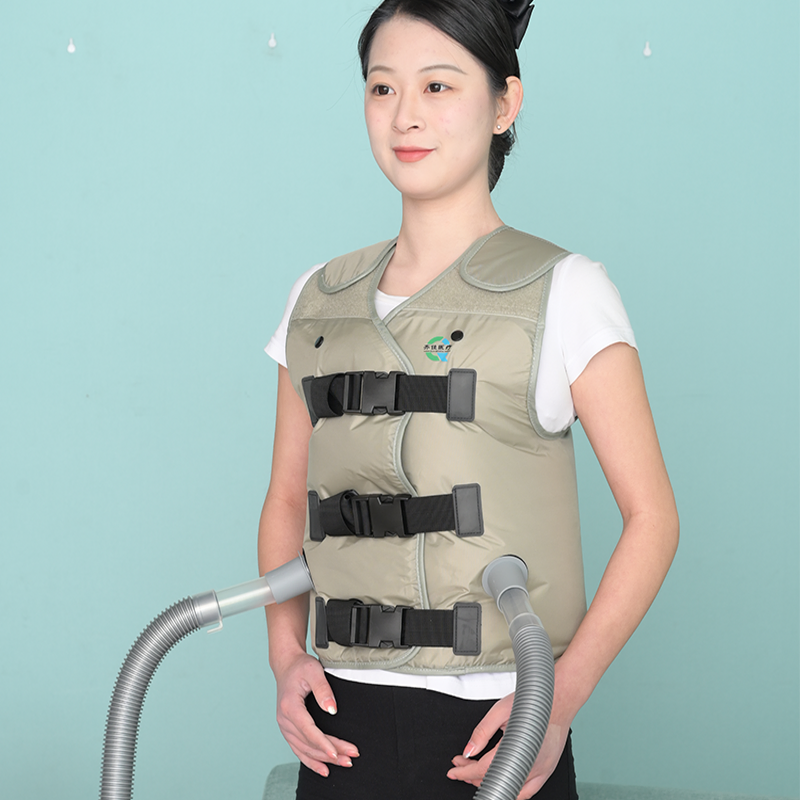
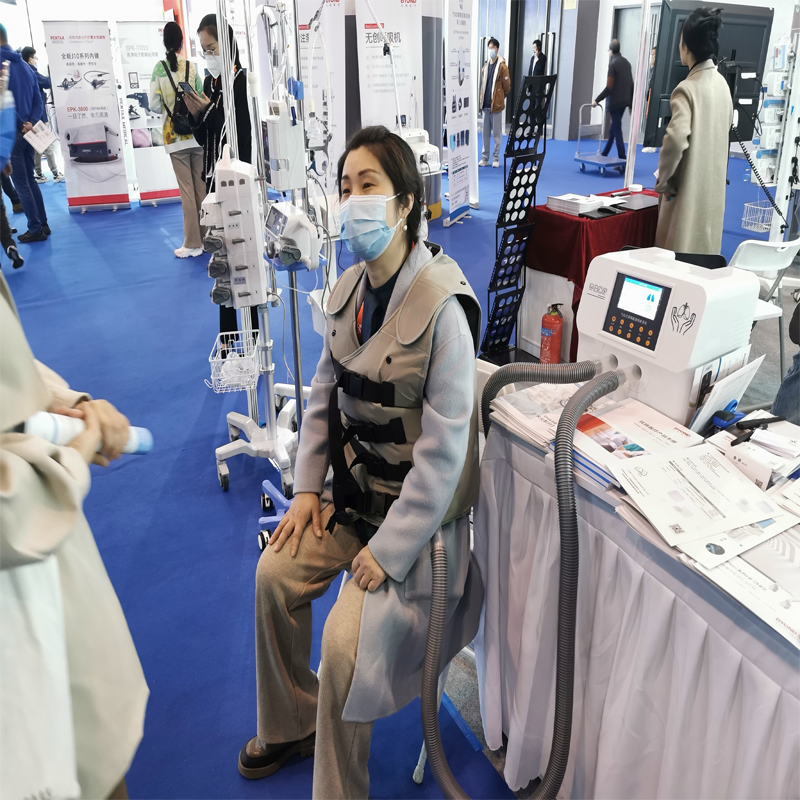
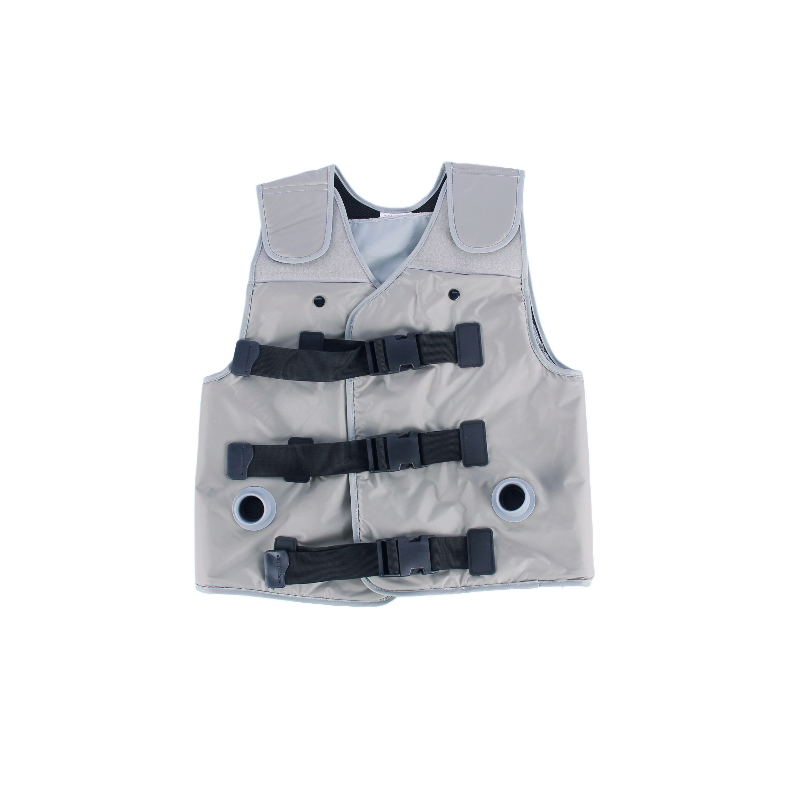
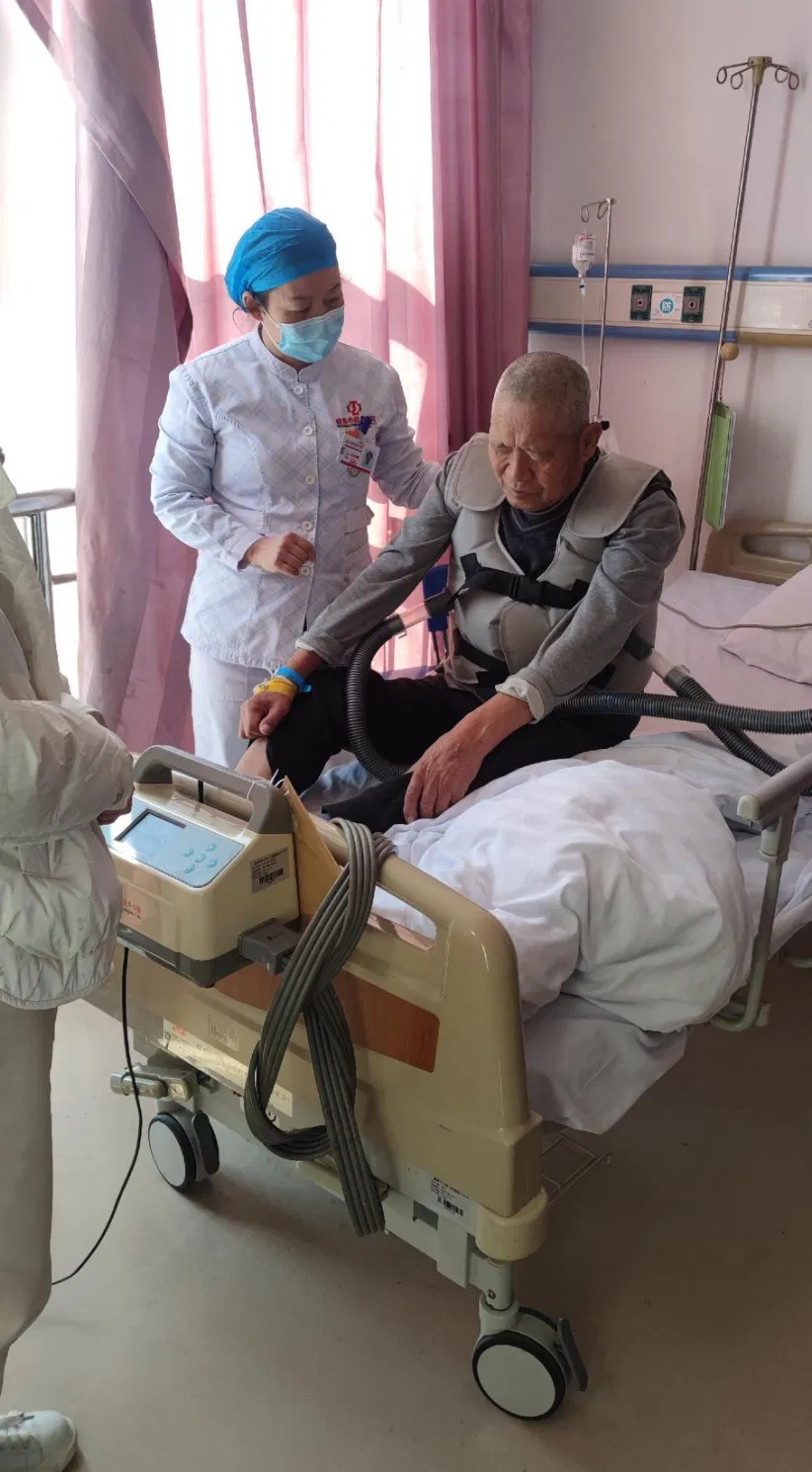
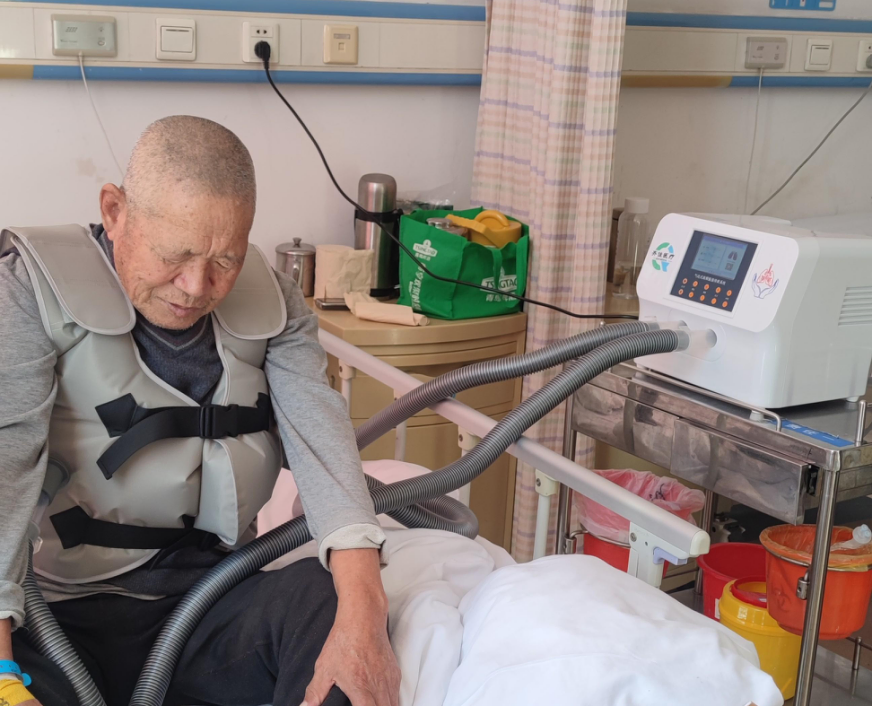
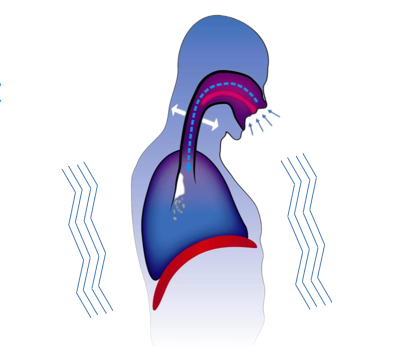
The pneumatic high-frequency oscillation expectoration system adopts high-frequency chest wall oscillation (HFCWO) technology. Through pulse oscillation signals, the inflatable vest produces high-speed repetitive oscillations. This promotes relaxation, liquefaction, and detachment of secretions in the deep respiratory tract and lungs.
It forms an autonomous upward airflow that moves secretions from the bronchus to the airways, allowing them to be expelled through coughing or artificial suction.
Clinical Application & Data Analysis
Table 1: Comparison of Expectoration Amount (n=30)
| Group |
Day 1 |
Day 2 |
Day 3 |
| HFCWO Group |
43.97±9.62 |
49.20±12.54 |
48.07±10.25 |
| Vibration Group |
34.70±10.56 |
36.93±11.02 |
36.63±11.62 |
Conclusion: High frequency oscillation expectoration system is superior to traditional vibration instruments. It significantly reduces the workload of nursing staff and is highly effective for clinical promotion.
Frequently Asked Questions (FAQ)
Q1: What is High-Frequency Chest Wall Oscillation (HFCWO) technology?
A: It is a non-invasive physical therapy that uses rapid air pulses to vibrate the chest wall, thinning and loosening mucus in the lungs so it can be cleared easily.
Q2: Can the vest be used for children and the elderly?
A: Yes, the system is designed with adjustable settings and various vest sizes, making it suitable for everyone from newborns to the elderly.
Q3: How does it help medical staff?
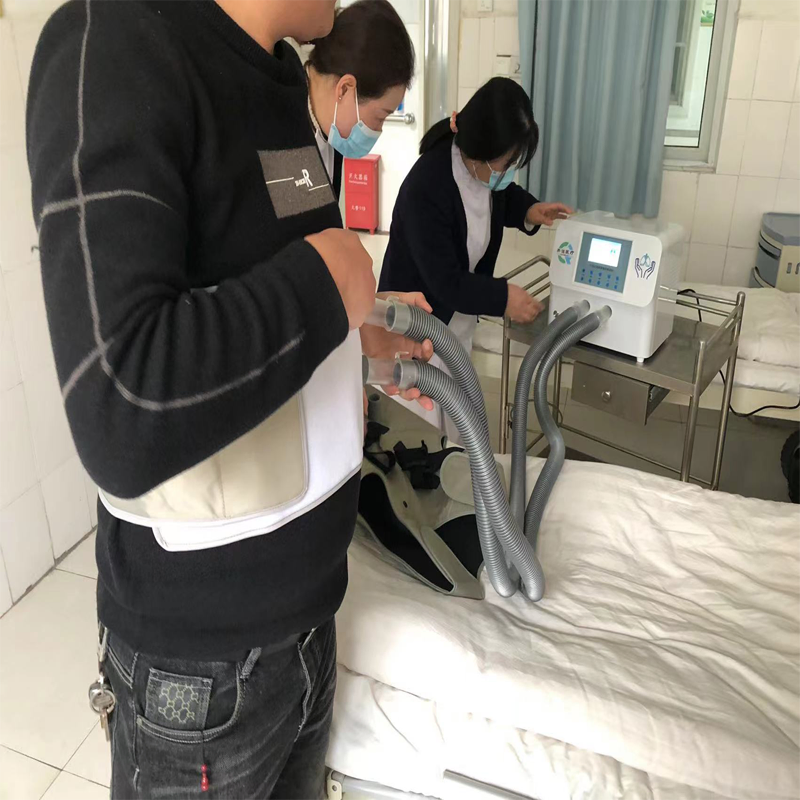
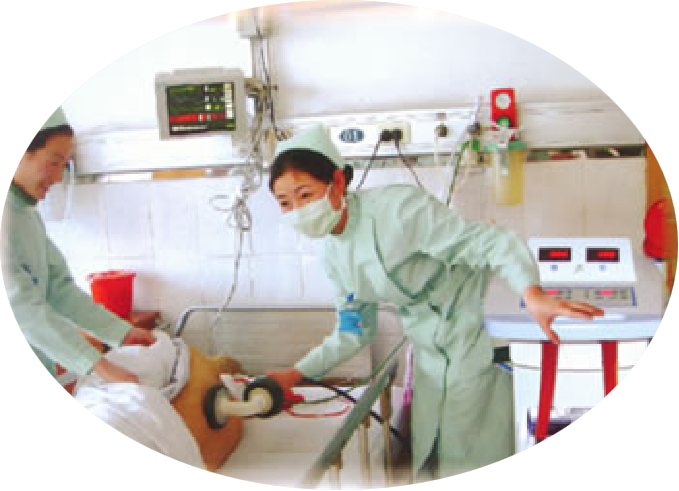
A: Unlike manual percussion or vibrating dispensers, this system is automated. It frees nurses from physical labor and allows them to attend to other patient needs.
Q4: Is it necessary to maintain a specific posture during treatment?
A: While the system is effective in any position, a sitting position is recommended for the best results in sputum expulsion.
Q5: How should the vest be cleaned?
A: Regular household detergents and diluted disinfectants are recommended. For tough stains, a soft brush can be used after wetting the area.
Q6: What are the primary clinical benefits?
A: Clinical studies show improved oxygen saturation (SpO2), reduced respiratory rates, and a significantly higher volume of expectoration compared to traditional methods.