Advanced medical technology engineered for clinical excellence and patient safety.
The global medical landscape is undergoing a paradigm shift. As healthcare systems transition toward Value-Based Care (VBC), the focus has expanded from the mechanical performance of ventilators to the intelligence of Ventilator Management Software (VMS). Modern hospital administrators and clinical engineers are no longer just procuring hardware; they are investing in integrated digital ecosystems that ensure patient-ventilator synchrony, reduce ICU length of stay, and minimize clinician fatigue through automated data logging and predictive alerting.
Procurement teams in North America, Europe, and emerging markets now prioritize "Information Gain"—the ability of a device to provide actionable insights rather than raw data. Key requirements include:
A leading authority in respiratory technology and medical manufacturing.
Hangzhou QMS Medical Co., Ltd. is a professional manufacturer specializing in medical ventilators, ICU ventilation systems, and respiratory care equipment for healthcare institutions worldwide. Established in 2015, the company is located in Hangzhou, China, a city recognized for its strong medical technology and advanced manufacturing industries.
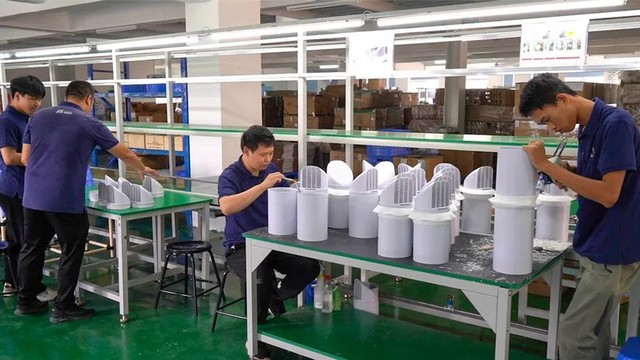
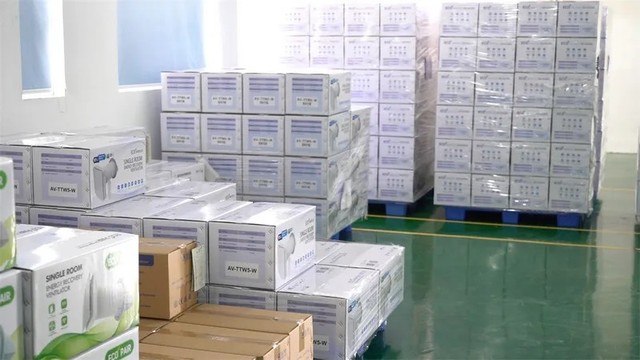
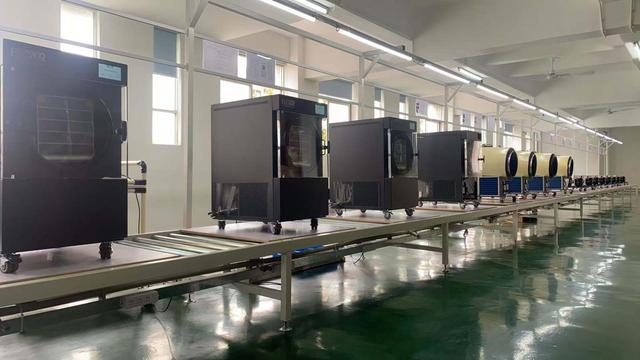
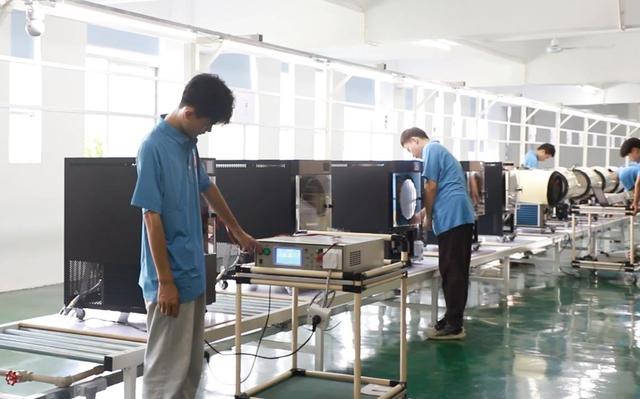
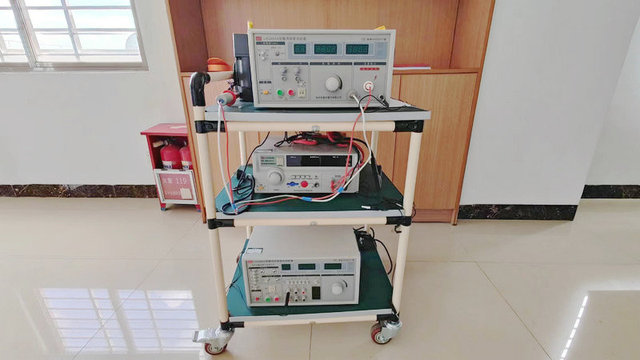
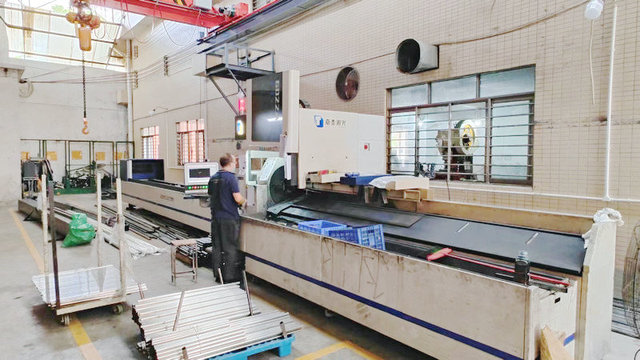
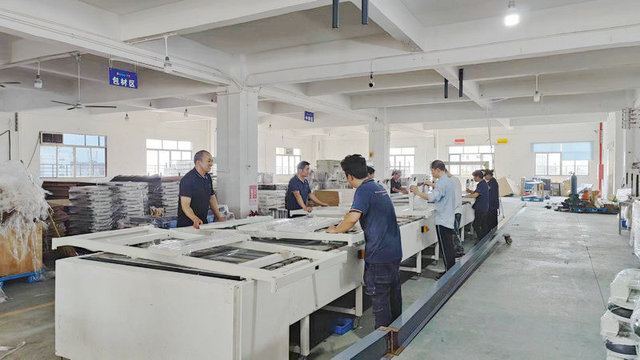
The company operates a modern production facility covering approximately 10,000 square meters and employs more than 220 skilled professionals, including engineers, technicians, and quality management specialists. QMS Medical focuses on the research, development, production, and supply of respiratory support technologies designed for hospitals, intensive care units, emergency departments, ambulance services, and home healthcare applications.
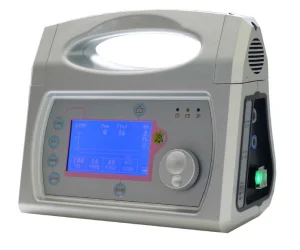
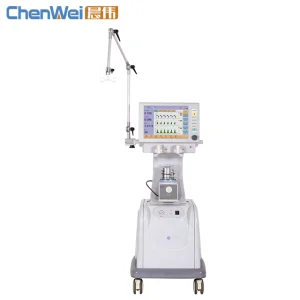
Its product portfolio includes ICU ventilators, portable ventilators, transport ventilators, emergency respiratory support systems, non-invasive ventilation devices, and intelligent patient monitoring integration solutions. The company continuously invests in product innovation and engineering development to improve ventilation performance, operational reliability, and clinical usability across diverse healthcare environments.


Integration of machine learning algorithms to adjust Pressure Support (PS) and PEEP in real-time based on lung compliance and resistance changes.
Global suppliers are moving toward SaaS (Software as a Service) models where ventilator data is aggregated in secure clouds for longitudinal clinical research.
With the rise of IoMT (Internet of Medical Things), software must adhere to stringent HIPAA, GDPR, and NMPA cybersecurity standards to protect patient privacy.
The next decade will see the transition from "Assisted Ventilation" to "Closed-Loop Respiratory Therapy." We are currently developing software interfaces that combine capnography, pulse oximetry, and ventilator parameters into a single "Patient Respiratory Score." This holistic view allows clinicians to identify weaning windows much earlier, potentially reducing ventilator-induced lung injury (VILI) and improving survival rates in neonatal and adult ICU settings.
Navigating the complex regulatory landscape of global medical trade.
As a leading Chinese manufacturer, Hangzhou QMS Medical Co., Ltd. understands that "one size does not fit all." Localization is the cornerstone of our global strategy. We provide comprehensive OEM and ODM services that include:
Our software uses advanced lung protective ventilation (LPV) strategies that automatically calculate ideal body weight (IBW) to set safe tidal volumes, reducing the risk of barotrauma and volutrauma.
Yes, our intelligent patient monitoring solutions support HL7 protocols, allowing for the direct export of breath-by-breath data into major EHR platforms like Epic and Cerner.
With proper maintenance and regular software updates, our ICU and transport ventilators are designed for a service life of 8-10 years.
Yes, our newer models feature Wi-Fi/4G connectivity for secure firmware and software updates, ensuring your equipment always has the latest clinical algorithms.
Discover our full range of medical and industrial ventilation technologies.
 QMS Medical