Explore our elite selection of CE and ISO-certified medical ventilators, ICU equipment, and respiratory diagnostic utilities engineered for global clinical standards.
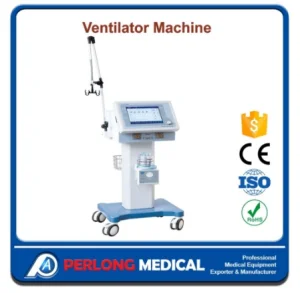
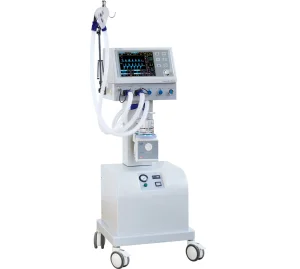


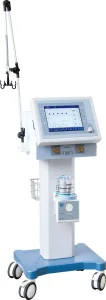
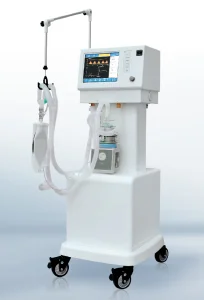
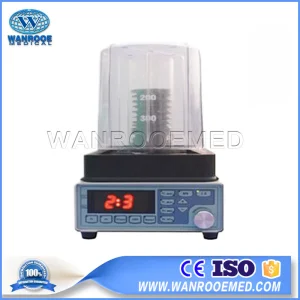
Established in 2015, Hangzhou QMS Medical Co., Ltd. is a professional manufacturer specializing in medical ventilators, ICU ventilation systems, and respiratory care equipment for healthcare institutions worldwide. Located in Hangzhou, China—a city recognized for its strong medical technology and advanced manufacturing industries—QMS Medical stands at the forefront of clinical-grade diagnostic and support technologies.
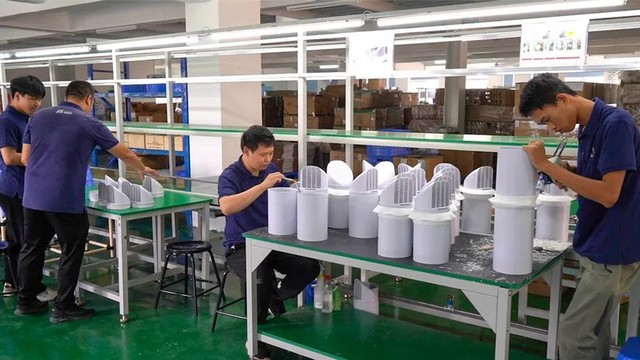
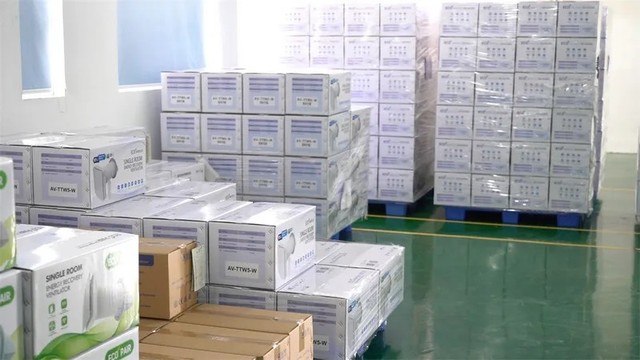
The company operates a modern production facility covering approximately 10,000 square meters and employs more than 220 skilled professionals, including engineers, technicians, and quality management specialists. QMS Medical focuses on the research, development, production, and supply of respiratory support technologies designed for hospitals, intensive care units, emergency departments, ambulance services, and home healthcare applications.
Supported by a dedicated R&D team and advanced manufacturing capabilities, QMS Medical implements comprehensive quality management procedures throughout product design, component sourcing, assembly, testing, and final inspection. The company is committed to delivering respiratory care solutions that support healthcare professionals in managing critical and long-term respiratory conditions.
Serving customers across Europe, North America, Asia, the Middle East, Africa, and Latin America, Hangzhou QMS Medical Co., Ltd. provides flexible OEM and ODM manufacturing services to meet different market requirements. Through continuous technological advancement and customer-focused development, the company aims to contribute to the global healthcare industry by providing reliable, efficient, and innovative respiratory care equipment for modern medical applications.
Understanding the clinical, commercial, and operational dynamics driving modern respiratory tool procurement.
Modern clinical settings require diagnostic ventilators that do not just assist breathing but monitor patient parameters in real-time, feeding telemetry data directly into Hospital Information Systems (HIS) and Electronic Medical Records (EMR).
Neonatal and pediatric ICU units are seeing a rising demand for turbine-driven high-frequency oscillatory ventilators (HFOV). Turbine designs eliminate the need for centralized high-pressure gas pipelines, critical for flexible field clinics.
Global buyers prioritize manufacturers with comprehensive compliance profiles. Standard components must meet Class IIb/III ISO 13485 regulations, CE marks under European Medical Device Regulation (MDR), and regional FDA listings.
China's smart manufacturing infrastructure, particularly in technology clusters like Hangzhou, has redefined medical supply chains. By utilizing advanced robotic assembly lines, computerized pneumatic testing chambers, and AI-driven quality inspection models, factories maintain high-volume output while driving calibration margins to micron-level accuracy.
For global healthcare providers, this translates to unparalleled cost-to-performance ratios without sacrificing life-critical reliability. Integrated supply ecosystems minimize the lead times of vital components like digital oxygen sensors, micro-flow turbine assemblies, and high-frequency solenoid valves, shielding procurement cycles from regional disruptions.

How our diverse range of ventilation systems and diagnostic interfaces fit into specific healthcare operations.
Continuous support for adult and neonatal patients. QMS mechanical ventilators provide invasive, high-pressure, and non-invasive positive pressure options, including synchronized intermittent mandatory ventilation (SIMV) and pressure control modes.
Movable and portable ventilators with integrated battery backs, robust structural casings, and quick-mount diagnostic sensors to facilitate seamless clinical support in ambulances, transport helicopters, and disaster zones.
Advanced home ventilators with auto leak compensation and BiPAP configurations ensure chronic patients receive high-grade respiratory care outside conventional hospital facilities, lessening burdens on ICU departments.
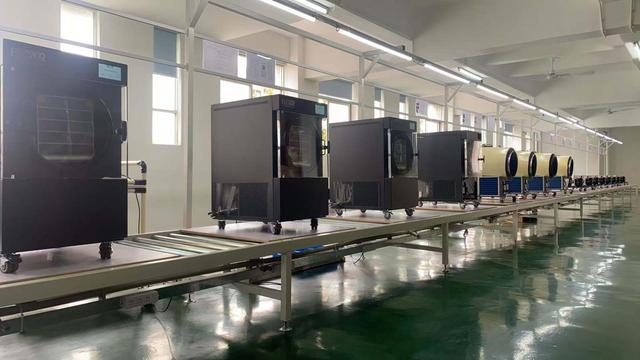
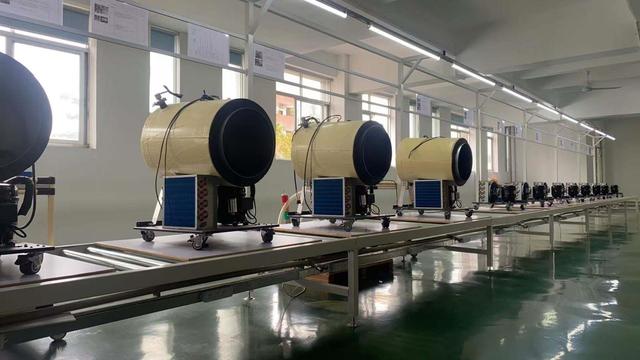
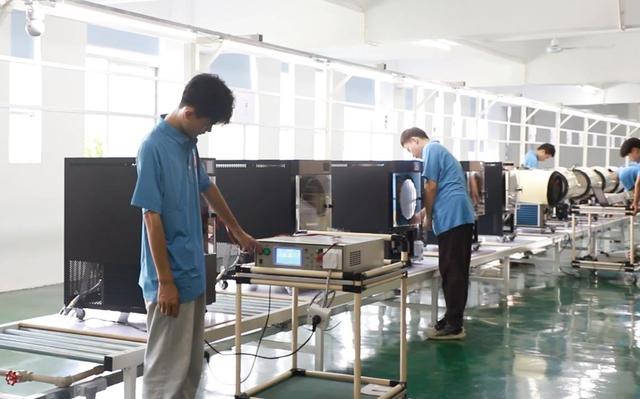
Take an inside look at our 10,000 square meter state-of-the-art facility in Hangzhou, China.
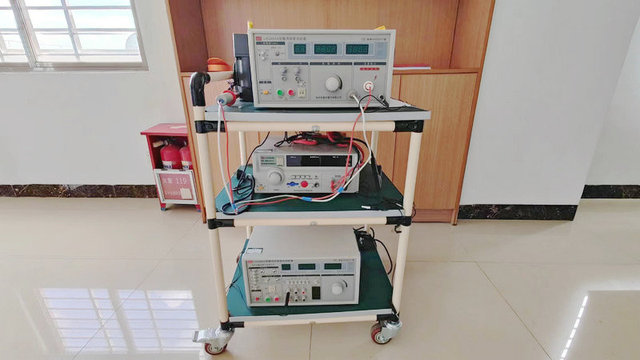
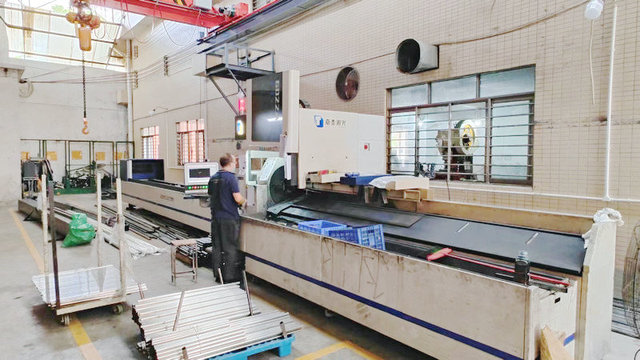
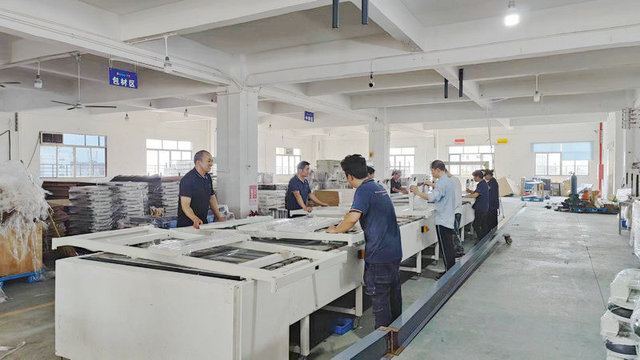
Clinical respiratory engineering is shifting from basic pneumatic support to intelligent ventilation management. Historically, medical ventilators acted as basic pressure-driven pumps. In the modern era, complex sensor configurations coupled with real-time analytics convert these therapeutic devices into diagnostic interfaces. By continuous estimation of proximal flow, lung compliance, resistance, and capnography values, modern systems actively dynamic-tune ventilation parameters.
This transition minimizes ventilator-induced lung injuries (VILI) and optimizes lung-protective ventilation (LPV) regimens. At the core of this progress is the hardware component ecosystem: precision micro-turbines, high-accuracy proportional flow valves, and multi-parameter sensing nodes.
Furthermore, integration into digital healthcare spaces requires deep structural changes. OEMs must design systems with standard clinical interfaces such as HL7 and Modbus protocols. By doing so, modern clinical ventilators feed data into larger clinical decision engines. This approach assists clinicians in identifying lung conditions early, optimizing weaning times, and improving outcomes for critical-care patients.
Answers to critical questions for medical supply purchasers, engineers, and clinical managers.
Explore our technical systems, including clinical ventilators, customized ventilation components, and auxiliary diagnostic accessories.


 QMS Medical