Advanced ICU Ventilation Solutions & Global Export Excellence
Industry-leading equipment engineered for critical care and industrial precision.
In the modern clinical landscape, Respiratory Monitoring Systems have transcended basic mechanical ventilation. They now represent the nexus of pulmonary medicine, digital health, and critical care engineering. As a leading hub for medical technology, China has emerged as the primary source for global healthcare providers seeking high-performance, cost-effective respiratory solutions.
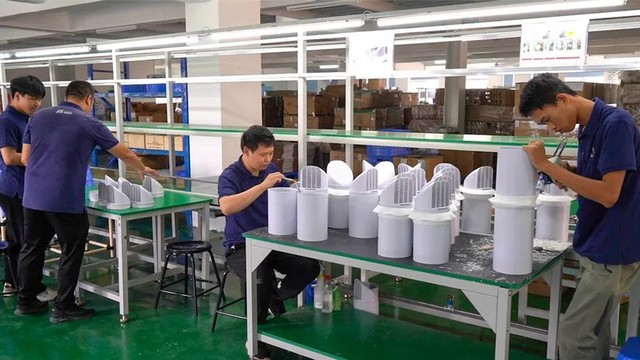
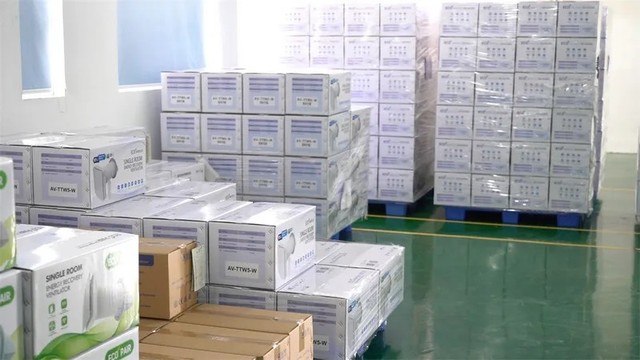
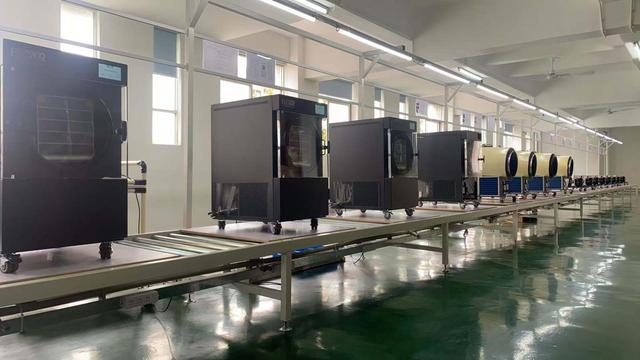
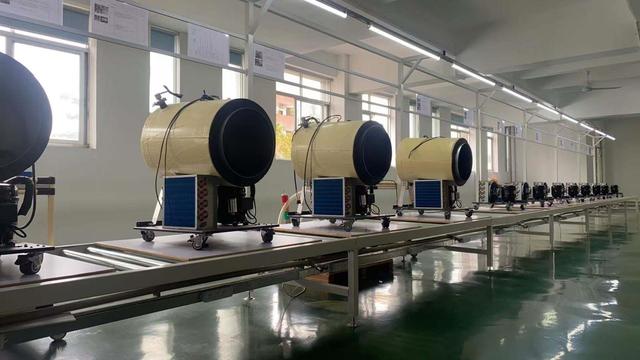
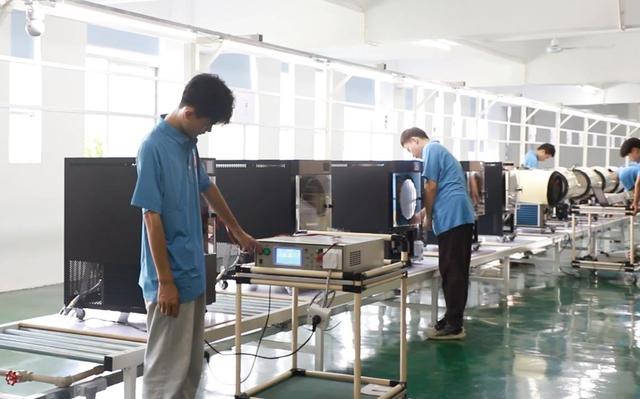
Hangzhou QMS Medical Co., Ltd. stands at the forefront of this evolution. Established in 2015 in Hangzhou, a city synonymous with AI and high-tech manufacturing, our facility spans 10,000 square meters. With a team of over 220 professionals, including senior biomedical engineers, we specialize in the R&D of ICU ventilation systems and intelligent monitoring solutions. Our commitment to E-E-A-T (Experience, Expertise, Authoritativeness, and Trustworthiness) ensures that every device leaving our production line meets rigorous global standards like CE and ISO 13485.
Continuous investment in sensor accuracy and algorithm optimization for patient-ventilator synchrony.
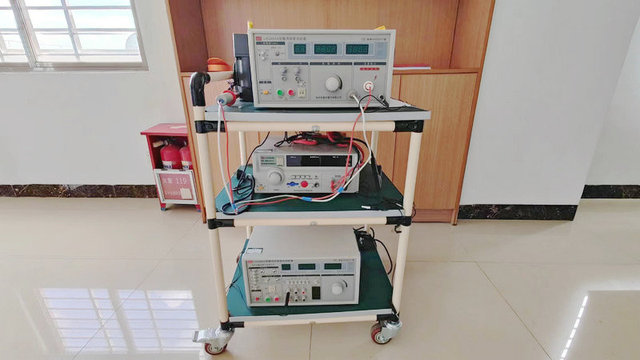
Comprehensive management throughout component sourcing, assembly, and 48-hour stress testing.
Serving Europe, North America, and emerging markets with localized support and OEM flexibility.
China's medical device ecosystem provides immediate access to high-precision sensors, micro-turbines, and medical-grade plastics. This integration reduces lead times and allows for rapid prototyping of new respiratory technologies.
By leveraging economies of scale, Chinese exporters provide ICU-grade monitoring systems at a fraction of the cost of Western counterparts, enabling developing healthcare systems to upgrade their critical care capacity.
Hangzhou manufacturers are pioneers in integrating AI-driven weaning protocols and remote monitoring capabilities, transforming ventilators into smart data nodes within a hospital's HIS (Hospital Information System).
Top-tier exporters prioritize international certifications, ensuring that products are ready for immediate deployment in regulated markets across the EU and Latin America.
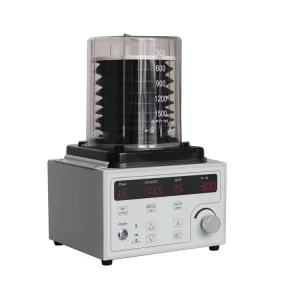
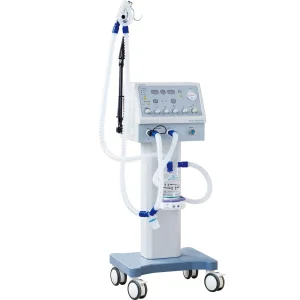
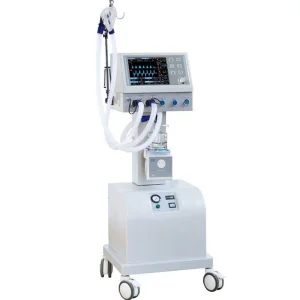
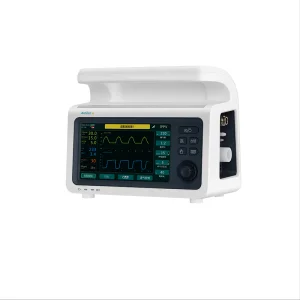
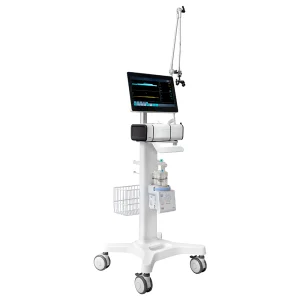
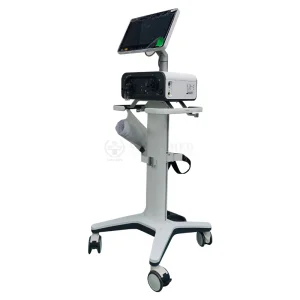
Full-featured ventilation with lung-protective strategies and advanced graphics for ARDS management.
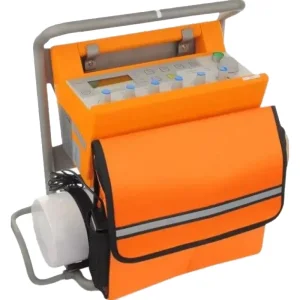
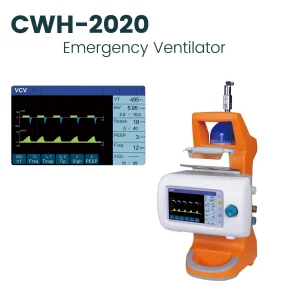
Ruggedized, lightweight systems with long battery life for ambulance and intra-hospital transport.
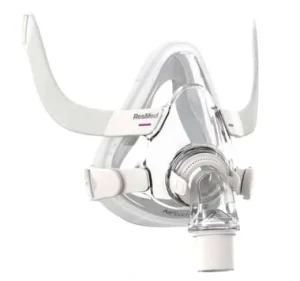
User-friendly non-invasive interfaces for chronic condition management and sleep apnea therapy.
Adapted anesthesia ventilation systems for diverse animal sizes, from small pets to large livestock.
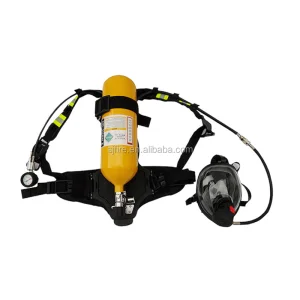
Self-contained breathing apparatus (SCBA) for hazardous environments and maritime emergency protocols.
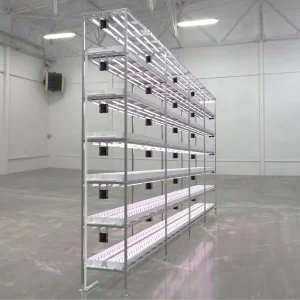
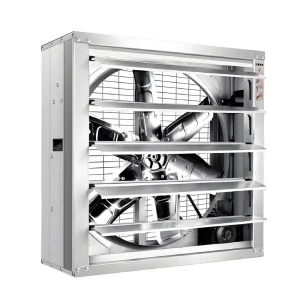
Integrating ventilation and temperature control for high-tech agriculture and greenhouse sustainability.

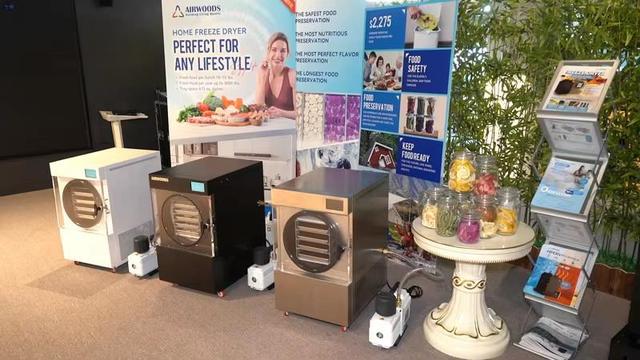
The global demand for respiratory monitoring systems is projected to grow significantly as chronic respiratory diseases (CRDs) become more prevalent. Manufacturers in China are responding by shifting from "Volume-Based Production" to "Value-Based Innovation." This includes the integration of HME (Heat and Moisture Exchange) technology, improved turbine response times for spontaneous breathing triggers, and the use of anti-microbial materials in ventilation circuits to combat hospital-acquired infections.
Furthermore, the convergence of telemedicine and respiratory care is a key trend. Modern exporters now provide cloud-compatible ventilators that allow pulmonologists to monitor patient data in real-time from across the globe. As we move towards 2030, the focus will remain on patient safety, clinical efficacy, and the democratization of high-end medical technology through strategic wholesale partnerships.
 QMS Medical