High-performance equipment for critical care, emergency response, and clinical environments.
The global market for airway obstruction devices and respiratory support systems has undergone a seismic shift in the last decade. Driven by an aging population, the rising prevalence of chronic obstructive pulmonary disease (COPD), and the critical lessons learned during global health emergencies, the demand for sophisticated ventilation solutions has never been higher. Today's "Top 10" manufacturers are no longer just hardware suppliers; they are medical technology integrators providing ecosystems that ensure patient safety from the emergency scene to the intensive care unit (ICU).
Modern airway management involves a spectrum of devices—ranging from basic manual resuscitators to advanced ICU Ventilators with AI-driven weaning protocols. The commercial focus has transitioned towards portability, ease of use, and data connectivity. Hospitals in North America and Europe are prioritizing devices that integrate seamlessly with Electronic Health Records (EHR), while emerging markets in Asia and Africa are seeking durable, cost-effective, and high-capacity respiratory support.
Hangzhou QMS Medical Co., Ltd. is a professional manufacturer specializing in medical ventilators, ICU ventilation systems, and respiratory care equipment for healthcare institutions worldwide. Established in 2015, the company is located in Hangzhou, China, a city recognized for its strong medical technology and advanced manufacturing industries.
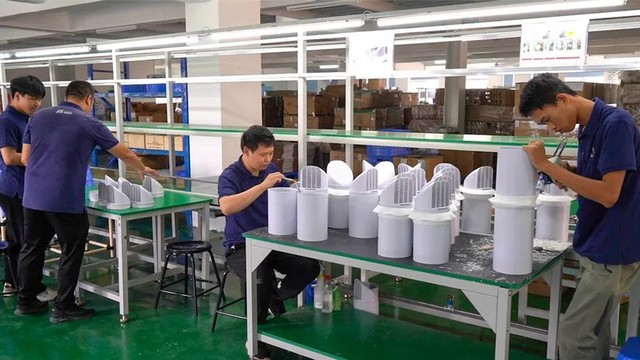
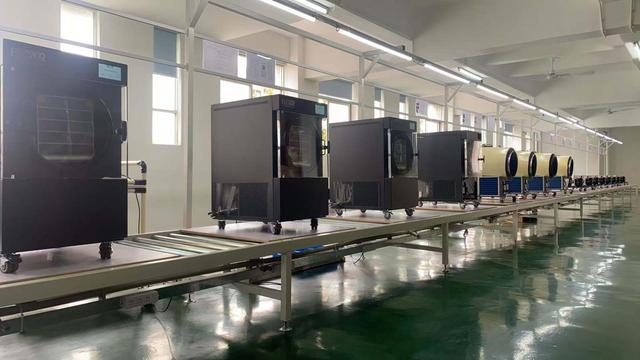
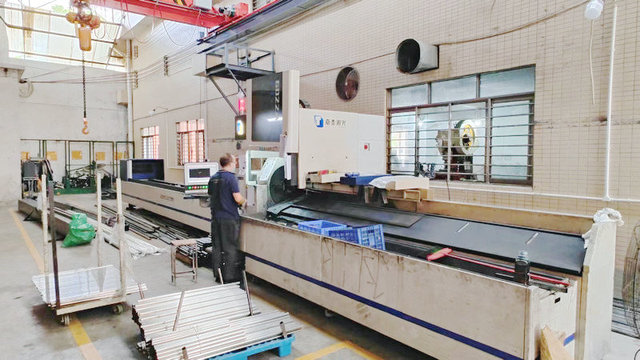
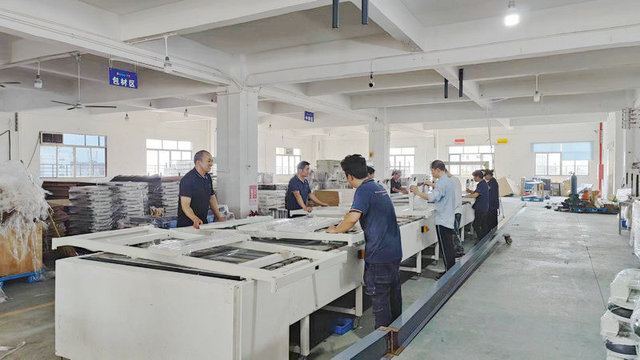
The company operates a modern production facility covering approximately 10,000 square meters and employs more than 220 skilled professionals, including engineers, technicians, and quality management specialists. QMS Medical focuses on the research, development, production, and supply of respiratory support technologies designed for hospitals, intensive care units, emergency departments, ambulance services, and home healthcare applications.
Its product portfolio includes ICU ventilators, portable ventilators, transport ventilators, emergency respiratory support systems, non-invasive ventilation devices, and intelligent patient monitoring integration solutions. The company continuously invests in product innovation and engineering development to improve ventilation performance, operational reliability, and clinical usability across diverse healthcare environments.
Continuous investment in pneumatics and electronic control systems ensures that QMS products meet the highest clinical efficacy standards.
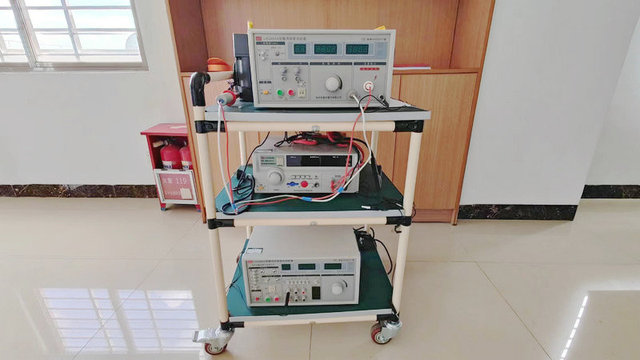
Strict implementation of comprehensive quality management procedures throughout design, component sourcing, assembly, and final inspection.
Serving customers across Europe, North America, Asia, the Middle East, Africa, and Latin America with flexible OEM and ODM services.
The narrative of Chinese medical manufacturing has evolved from "mass production" to "high-precision innovation." Facilities in medical hubs like Hangzhou leverage a unique ecosystem that combines upstream raw material accessibility with downstream digital tech integration. This allows manufacturers to offer:
Furthermore, China’s dominance in the industrial ventilation sector—as seen in our specialized greenhouse and aircraft ventilation products—provides a cross-disciplinary engineering advantage. The same fluid dynamics expertise used for massive aircraft cooling systems is miniaturized and refined for the precise flow control required in neonatal ICU ventilators.
From the operating room to industrial safety—ventilation technology saves lives everywhere.
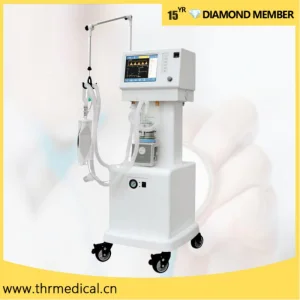
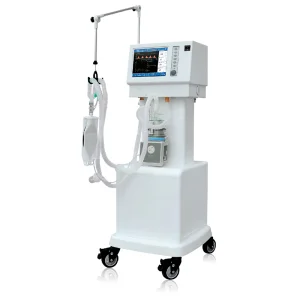
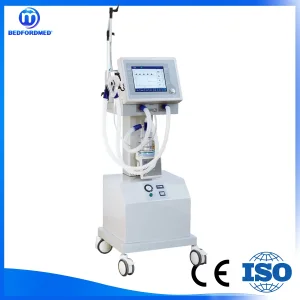
High-end ventilators providing Invasive and Non-Invasive (NIV) support for patients with acute respiratory failure. Features include lung protective ventilation and smart alarms.
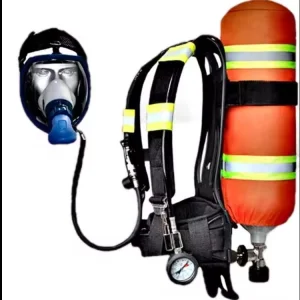
Portable, ruggedized ventilators and SCBA (Self-Contained Breathing Apparatus) for first responders, ensuring oxygen supply in toxic or low-oxygen environments.
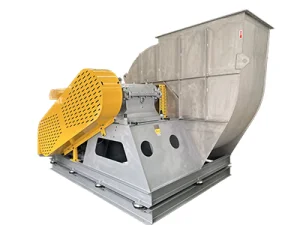
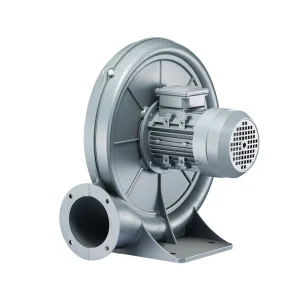
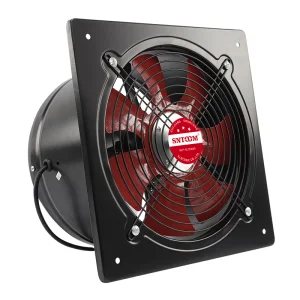
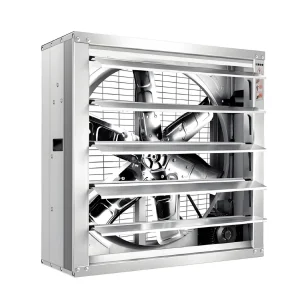
High-efficiency impellers and smart control systems for large-scale farms and factories, maintaining air quality and preventing biological airway hazards.
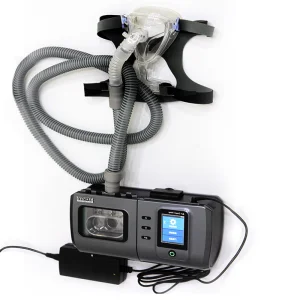
CPAP and BiPAP machines designed for ergonomics and quiet operation, helping millions manage obstructive sleep apnea and chronic snoring.
The future of airway management is defined by Information Gain. We are moving toward "Smart Ventilation" where AI algorithms predict patient-ventilator asynchrony before it happens. Key trends include:
1. Tele-Ventilation: Remote monitoring allowing specialists to adjust ventilator settings from across the country, crucial for rural hospital support.
2. Sustainability: Energy-efficient EC motors in ventilators and industrial fans to reduce the carbon footprint of healthcare facilities.
3. Miniaturization: Next-gen hyperbaric and ventilation systems that are compact enough for home use while retaining hospital-grade power.
Expanding the scope of air management into specialized medical and industrial sectors.
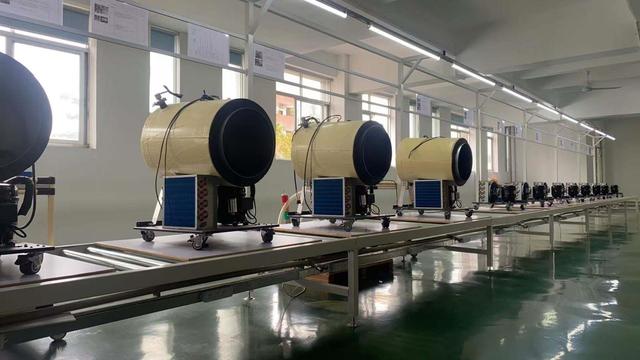
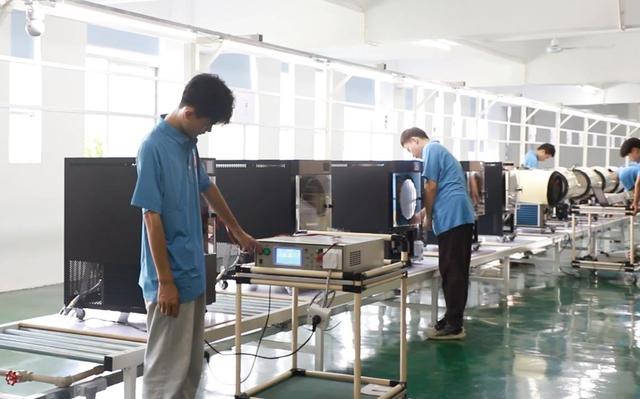
10,000 sqm of precision and clinical-grade production environment.


 QMS Medical