Medical Airway Ventilator Respiration Ventilators Invasive Ventilator Machine for Adult
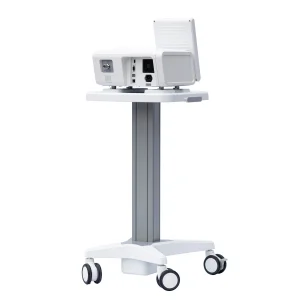
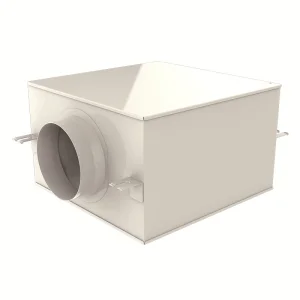
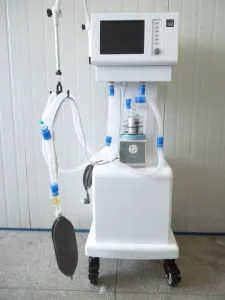
Medical Fan Adult and Infant ICU Turbine Ventilator Chenwei (CWH-8010) with High Flow Therapy
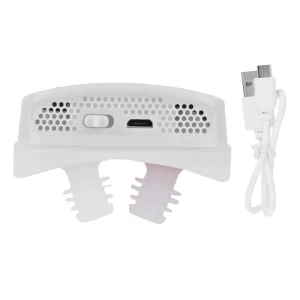
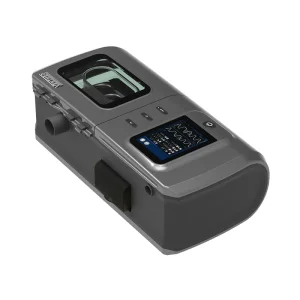
Anti Snoring Filter Devices, Upgrade USB Rechargeable CPAP PM2.5 Purifier
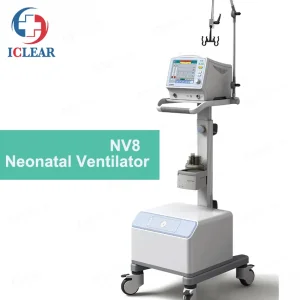
Comen Nv8 Non Invasive Neonatal Ventilator with Snippv Nippv Ncpap Hfnc
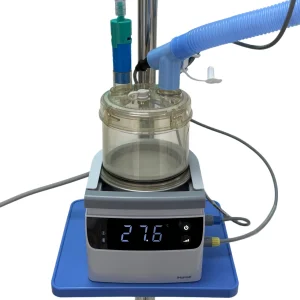
VH110 ICU Respiratory Humidifier System for High Flow Oxygen Therapy
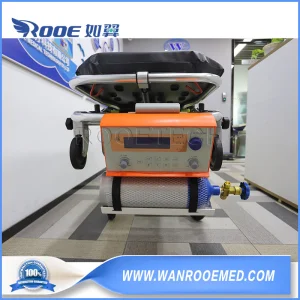
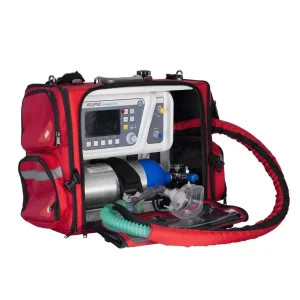
AV-2010 Medical Emergency Movable Portable Oxygen Breathing Ventilator
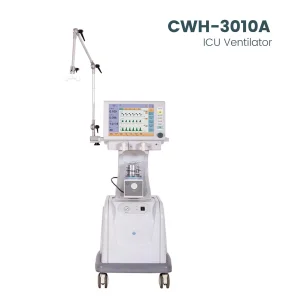
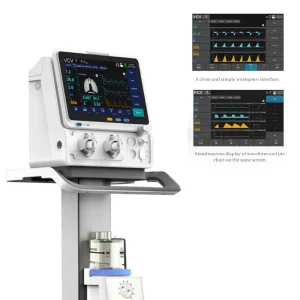
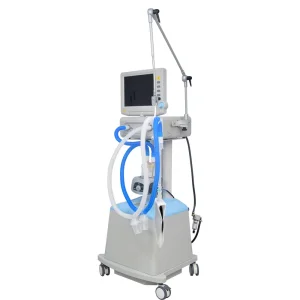
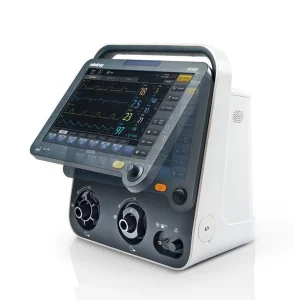
Advanced 15" Touch Screen ICU Ventilator (CWH-3010A) for Adult & Pediatric
Pediatric anesthesia is a highly specialized field that demands the utmost precision. Unlike adult patients, pediatric and neonatal patients have unique physiological requirements, including lower tidal volumes, higher respiratory rates, and a more delicate airway structure. The global market for pediatric anesthesia machines is currently witnessing a paradigm shift driven by digital integration and micro-flow sensor technology.
Modern manufacturers are no longer just building mechanical ventilators; they are developing intelligent perioperative workstations that ensure patient safety from induction to recovery. As we evaluate the top manufacturers, we focus on E-E-A-T factors: Technical Expertise, Clinical Authoritativeness, and Global Trustworthiness.
The pediatric anesthesia market is projected to reach billions by 2030, with a CAGR of 6.5%. The surge is driven by specialized children's hospitals in emerging economies and the replacement of legacy systems in developed nations.
Electronic gas mixing, high-precision vaporizers, and integrated ICU-grade ventilation modes (like SIMV+PS, PCV-VG) are now standard in high-end pediatric workstations.
Compliance with MDR (EU) and FDA (USA) is the baseline. Leading suppliers are now focusing on cybersecurity for interconnected hospital networks and data privacy.
Selection is based on market share, innovation indices, and clinical feedback.
The pioneer in protective ventilation. Their Fabius and Perseus lines are legendary for pediatric precision.
Known for the Aisys CS2, featuring end-tidal control and advanced software integration.
The A9 and A7 systems provide ICU-quality ventilation in the OR, bridging the gap for complex pediatric cases.
Specializes in Flow-i, utilizing the world's most advanced volume-controlled ventilation for neonates.
Integrates world-class patient monitoring with anesthesia delivery for a seamless data flow.
A stalwart in the industry, providing reliable, modular solutions for diverse clinical settings.
Their focus remains on high-end respiratory support and pediatric safety monitoring.
Focuses on portability and specialized breathing circuits for smaller patients.
Provides innovative anesthesia workstations with a focus on ergonomics and workflow.
Rising leader in ICU-grade pediatric ventilation and emergency respiratory support with immense supply chain resilience.
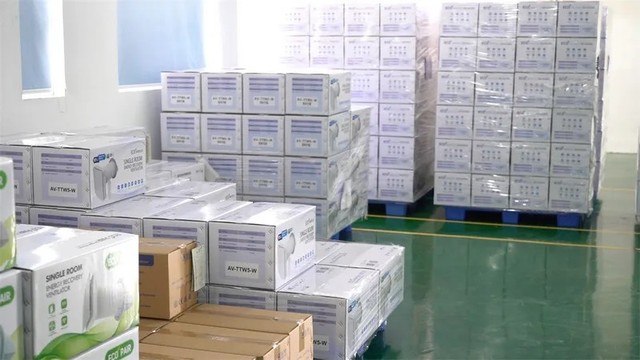
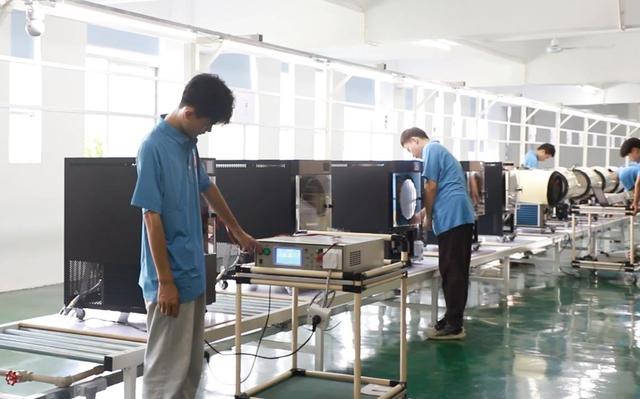
Hangzhou QMS Medical Co., Ltd. is a professional manufacturer specializing in medical ventilators, ICU ventilation systems, and respiratory care equipment for healthcare institutions worldwide. Established in 2015, the company is located in Hangzhou, China, a city recognized for its strong medical technology and advanced manufacturing industries.
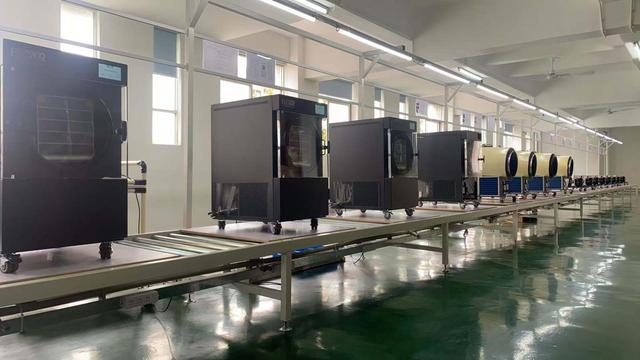
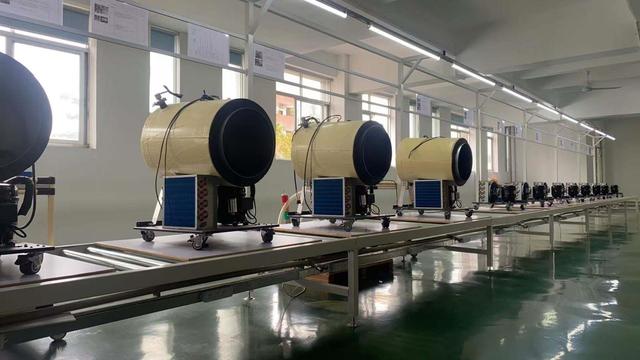
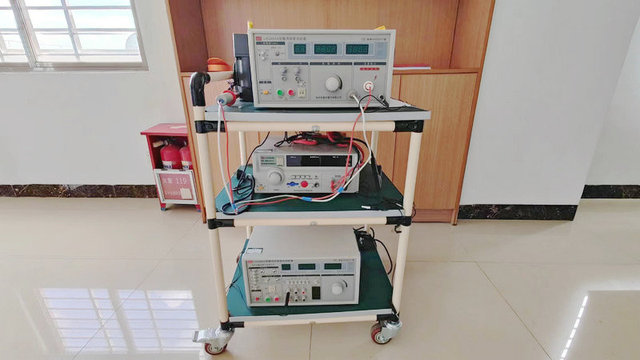
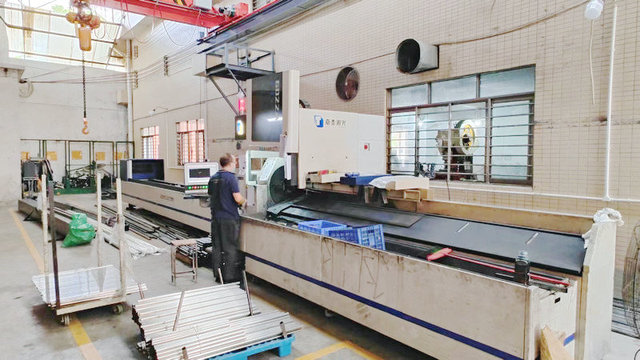
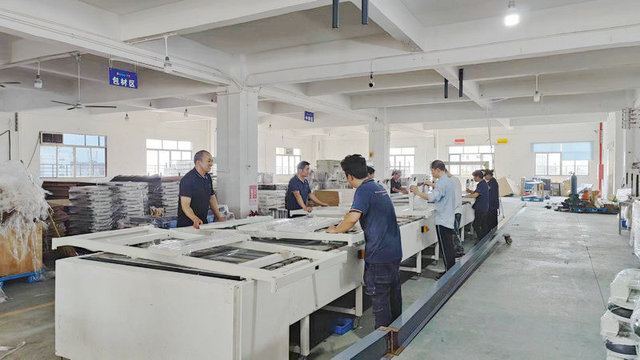
The company operates a modern production facility covering approximately 10,000 square meters and employs more than 220 skilled professionals, including engineers, technicians, and quality management specialists. QMS Medical focuses on the research, development, production, and supply of respiratory support technologies designed for hospitals, intensive care units, emergency departments, ambulance services, and home healthcare applications.
Its product portfolio includes ICU ventilators, portable ventilators, transport ventilators, emergency respiratory support systems, non-invasive ventilation devices, and intelligent patient monitoring integration solutions. The company continuously invests in product innovation and engineering development to improve ventilation performance, operational reliability, and clinical usability across diverse healthcare environments.
The next decade will be defined by "Smart Anesthesia." Manufacturers are investing in the following four pillars:
Automated adjustment of anesthetic gas concentrations based on real-time EEG (Bispectral Index) and physiological data to prevent awareness and overdose.
Reducing clinical waste and environmental impact by utilizing advanced rebreathing systems and highly sensitive flow sensors for neonatal patients.
Remote consultation for rural hospitals, allowing expert anesthesiologists to supervise multiple ORs simultaneously via secure cloud interfaces.
Algorithms that automatically calculate the optimal PEEP (Positive End-Expiratory Pressure) to prevent atelectasis in vulnerable pediatric lungs.
The manufacturing hub in Hangzhou represents the pinnacle of Chinese med-tech. By integrating the entire upstream and downstream supply chain—from high-precision sensors to specialized medical-grade plastics—Hangzhou QMS Medical offers a unique advantage:
Serving customers across Europe, North America, Asia, the Middle East, Africa, and Latin America, Hangzhou QMS Medical Co., Ltd. provides flexible OEM and ODM manufacturing services to meet different market requirements.
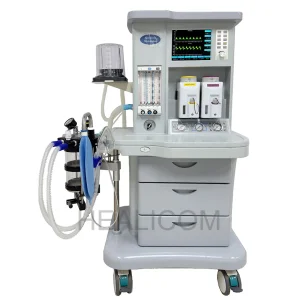
Integrated workstations supporting complex cardiac and neurosurgical procedures with 15-inch touchscreens and comprehensive monitoring.
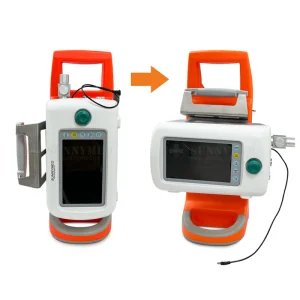
Compact, battery-operated pediatric ventilators designed for ambulances and air transport, ensuring stable ventilation in motion.
Fast-recovery protocols enabled by precise anesthetic delivery, allowing for quicker discharge of pediatric patients.
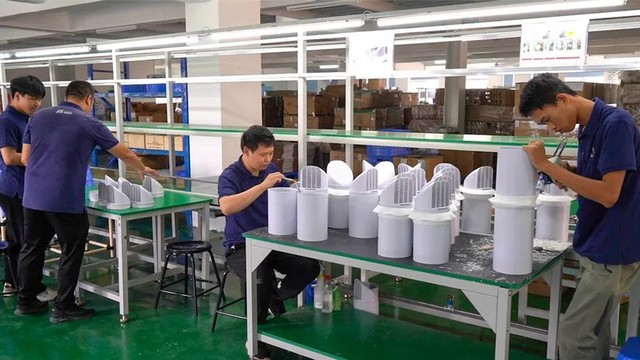

 QMS Medical