Deploying advanced medical technology engineered for quick response, low maintenance, and precise physiological compliance in Santiago de los Caballeros.
An Executive Technical Evaluation on Medical Ventilation Demand, Infrastructure Resilience, and Supply Chain Integration in the Cibao Region.
Santiago de los Caballeros, acting as the economic engine and healthcare metropolis of the Cibao Valley in the Dominican Republic, represents a critical clinical focal point. Home to major regional hospital complexes—including public institutions such as the Hospital Regional Universitario José María Cabral y Báez and the Hospital Pediátrico Arturo Grullón, alongside premier private clinical systems like the Hospital Metropolitano de Santiago (HOMS), Clínica Corominas, and Unión Médica del Norte—the city handles complex respiratory caseloads spanning over 14 provinces.
The demand for non-invasive ventilation (NIV) systems in Santiago is fueled by a dual challenge: a rising prevalence of chronic obstructive pulmonary disease (COPD) and asthma exacerbated by sub-tropical humidity and urban expansion, alongside seasonal spikes in pediatric and neonatal viral respiratory distress. Furthermore, Santiago’s thriving free zone (Zona Franca Víctor Espaillat Mera) hosts expanded commercial and clean-room industrial complexes that increasingly require advanced environmental fresh-air exchange (Energy Recovery Ventilation - ERV) systems to maintain strict occupational health standards.
Hospitals in Santiago de los Caballeros frequently operate under demanding ambient humidity levels and fluctuating grid voltages. Traditional invasive ventilators impose heavy operating costs, require intensive ICU staffing, and present higher risks of Ventilator-Associated Pneumonia (VAP). Modern Non-Invasive Ventilation (NIV) units—featuring high-velocity turbine blowers, automated leak compensation, dynamic IPAP/EPAP pressure titration, and dual-mode functionality—offer an essential bridge, reducing ICU bed turnover times by up to 35% while providing humane, comfortable oxygenation support.
To establish true competitive differentiation and provide maximal information gain for clinical biomedical engineers and procurement committees in Santiago de los Caballeros, we must analyze the technological shift from compressed-gas medical systems to autonomous turbine-driven non-invasive ventilation architecture.
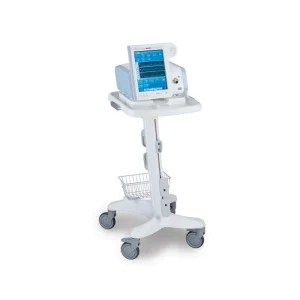
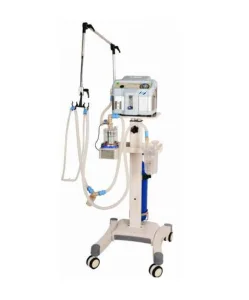
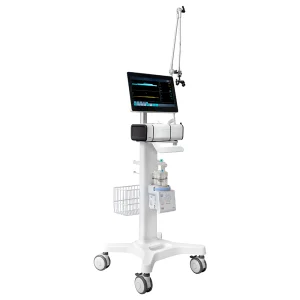
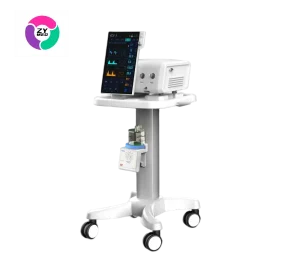
Traditional ICU ventilation relies on centralized high-pressure medical air compressors. In regional satellite clinics around Santiago (e.g., Tamboril, Villa González, Licey al Medio), centralized air infrastructure may experience pressure drops or require costly maintenance. Turbine-based non-invasive ventilators (such as the Health V60 and S9130) draw atmospheric air, filtering it through high-efficiency particulate air (HEPA) media, delivering precise pressure waveforms without external gas lines. This independence makes them indispensable for emergency ward transport and disaster management across the Dominican Republic.
Neonatal mortality reduction is a primary focus for the Dominican Ministry of Public Health (MISPAS). The deployment of continuous positive airway pressure (Bubble CPAP) units—specifically designed with precise pressure-limiting valves and heated humidification circuits—ensures that premature infants experiencing Respiratory Distress Syndrome (RDS) at facilities like Hospital Pediátrico Arturo Grullón receive non-invasive alveolar support without the trauma of endotracheal intubation.
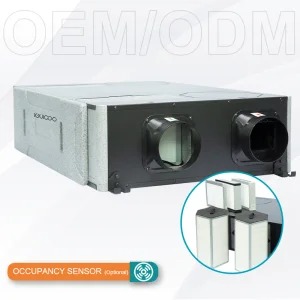
Healthcare design in tropical regions requires controlled air exchange to mitigate airborne pathogen concentrations. Integrations of ceiling-mounted ERV fresh-air ventilation units allow Santiago’s diagnostic centers, veterinary surgical suites, and medical device manufacturing cleanrooms to continuously cycle clean air while recovering up to 80% of thermal energy, vastly reducing air conditioning utility loads.
Hangzhou QMS Medical Co., Ltd. delivers high-precision clinical technology engineered in world-class facilities to support Santiago's medical infrastructure.
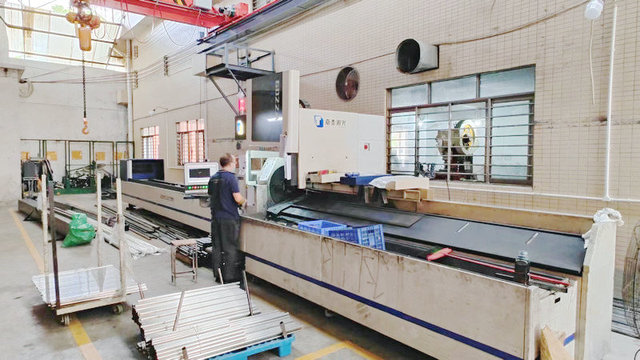
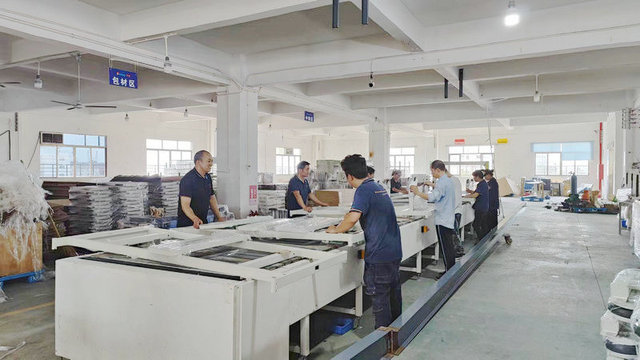
Hangzhou QMS Medical Co., Ltd. is a professional manufacturer specializing in medical ventilators, ICU ventilation systems, and respiratory care equipment for healthcare institutions worldwide. Established in 2015, the company is located in Hangzhou, China, a city recognized for its strong medical technology and advanced manufacturing industries.
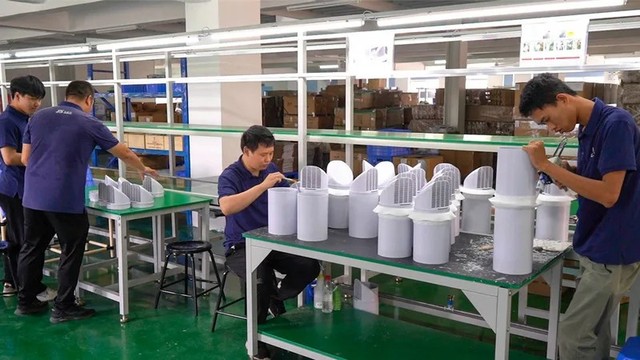
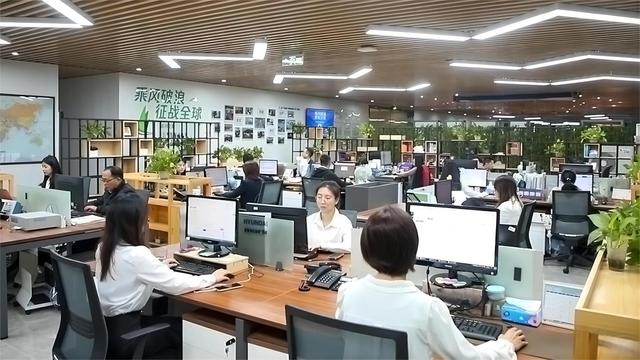
The company operates a modern production facility covering approximately 10,000 square meters and employs more than 220 skilled professionals, including engineers, technicians, and quality management specialists. QMS Medical focuses on research, development, and production for hospitals, emergency departments, and home healthcare globally.
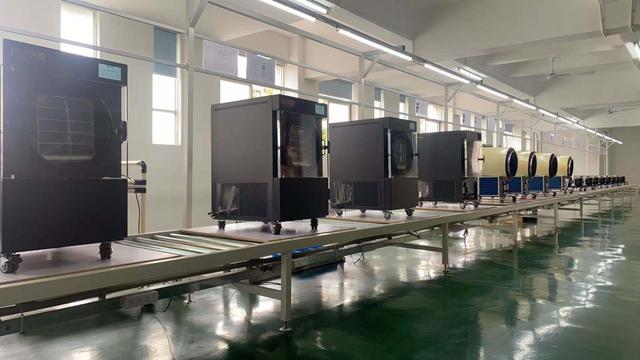
Supported by a dedicated R&D team, QMS Medical implements comprehensive quality management procedures throughout product design, component sourcing, assembly, testing, and final inspection. All clinical NIV machines conform to CE Class II standards, ISO 13485 protocols, and international electromechanical safety standards.
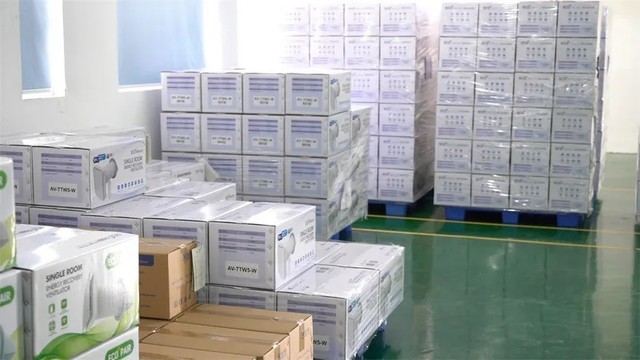
Serving customers across Europe, North America, Asia, the Middle East, Africa, and Latin America, Hangzhou QMS Medical Co., Ltd. provides flexible OEM and ODM manufacturing services. We offer custom localized UI software (including full Spanish integration) and expedited freight routing directly to Dominican maritime entry ports (Caucedo / Rio Haina) and Cibao International Airport (STI).
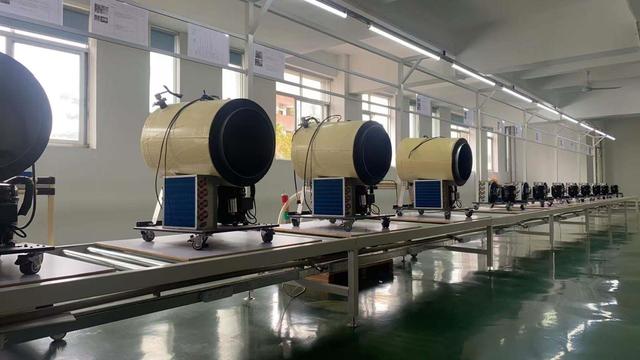
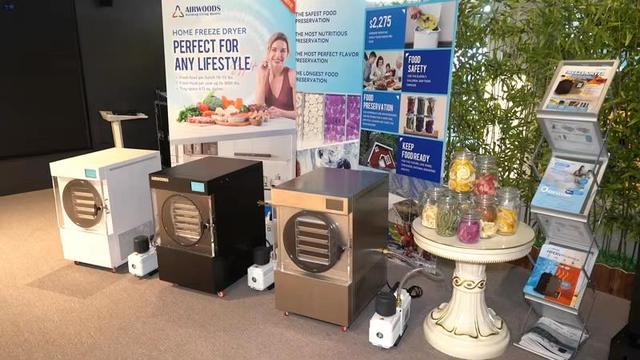
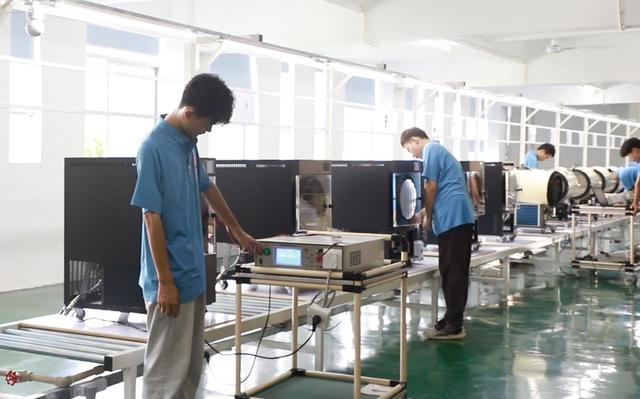
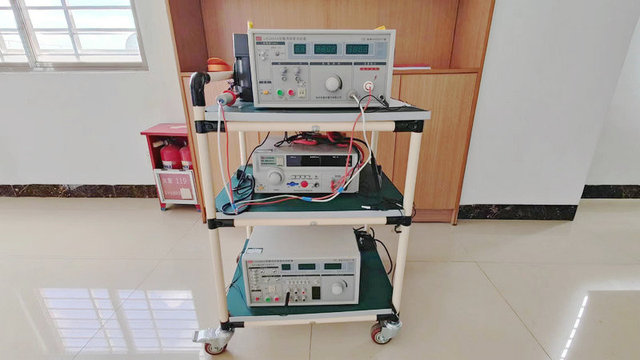
Inside Hangzhou QMS Medical: Cleanrooms, automated calibration rigs, and quality testing lines.
A comprehensive matrix evaluating Total Cost of Ownership (TCO), operational uptime, and technical adaptability in Latin American healthcare environments.
For hospital directors, biomedical engineering heads, and medical device distributors in Santiago de los Caballeros, equipment selection requires evaluating operational longevity against total capital investment. The table below outlines how QMS Medical's non-invasive ventilation solutions surpass traditional procurement pathways:
| Evaluation Parameter | Legacy Western Tier-1 Brands | QMS Medical (Hangzhou Solutions) | Generic Gray-Market Imports |
|---|---|---|---|
| Capital Expenditure (CapEx) | Prohibitively High ($18,000 - $35,000 USD) | Optimized / Direct Manufacturer Cost | Low Initial Price (Prone to failure) |
| Dynamic Leak Compensation | Advanced, proprietary software lock-in | Real-Time High Flow Compensation (>60 L/min) | Basic or Non-Existent |
| Spare Parts & Consumables | Expensive, 6-12 week lead times in DR | Readily Available, Standardized Circuits & Accessories | Unstandardized, hard to source |
| Interface & Language Support | English default, costly software pack updates | Native Spanish / Multilingual Touch Interfaces | English / Fixed Chinese UI |
| Warranty & Technical Backing | Strict local distributor monopolies | 1-Year Full Warranty + Direct Factory Support & OEM | No guaranteed warranty |
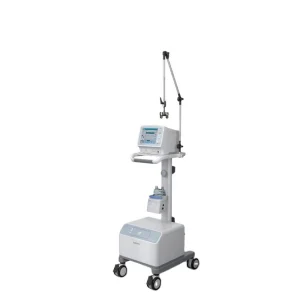
Transitioning ventilated patients at Hospital Metropolitano de Santiago to non-invasive BiPAP modes reduces post-extubation respiratory distress and streamlines intensive care unit turnover.
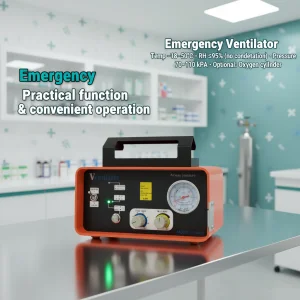
Ambulance networks operating throughout the Santiago urban sector require light, battery-backed portable ventilation equipment capable of maintaining continuous airway stability during transport.
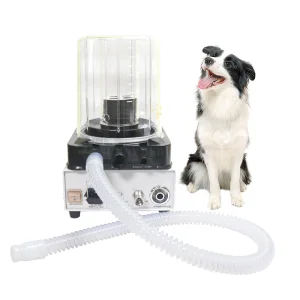
Santiago’s agricultural and equine clinical sector benefits from specialized turbine-driven veterinary non-invasive units, providing surgical anesthesia support and recovery ventilation.
Explore our extended range of specialized veterinary ventilators, neonatal equipment, high-flow accessories, and micro-climate ventilation units.
Expert insights regarding shipping, compliance, technical specifications, and local clinical implementation in Santiago de los Caballeros.
Expand your hospital system's respiratory capacity or elevate your medical equipment distribution catalog in Santiago de los Caballeros and across the Cibao region today.
Send Inquiry Now QMS Medical