Decoding the complexity of neonatal respiratory care in modern healthcare infrastructure.
The neonatal anesthesia systems market is currently witnessing a transition from conventional mechanical ventilation to highly integrated, AI-driven perioperative management. Factories in China, Germany, and the USA are leading the export market by integrating high-frequency oscillatory ventilation (HFOV) with anesthesia delivery.
Unlike adult systems, neonatal systems require tidal volumes as low as 2ml. This precision is the "moat" for top-tier factories. Manufacturers must adhere to ISO 13485 and MDD/MDR certifications to compete globally, ensuring zero-latency response in gas delivery.
Post-pandemic, exporters have diversified their sourcing for sensors and microchips. Leading factories now offer modular designs that allow for local maintenance, a critical factor for healthcare institutions in emerging markets like Southeast Asia and Latin America.
The evolution from basic gas delivery to intelligent physiological support.
Future systems will utilize closed-loop algorithms that adjust ventilation parameters based on real-time SpO2 and EtCO2 data, significantly reducing the risk of barotrauma and volutrauma in neonates.
IoT-enabled anesthesia systems allow for remote monitoring and predictive maintenance. This shift enables manufacturers to provide "Equipment as a Service" (EaaS), ensuring uptime in critical NICU environments.
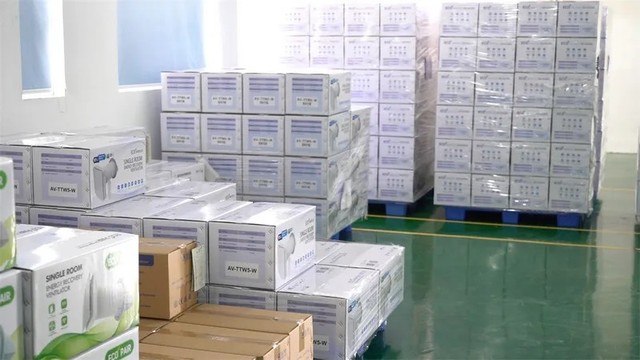
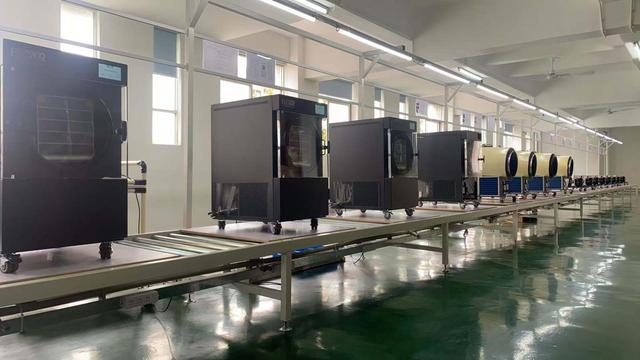
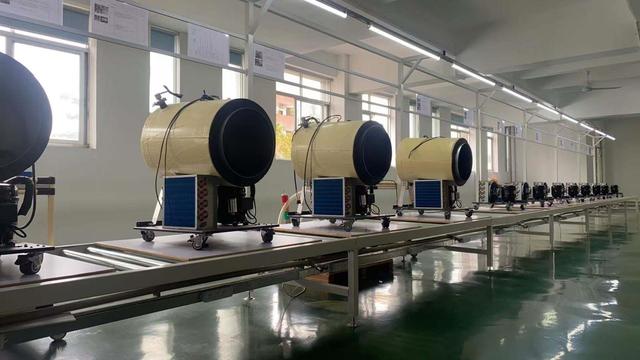
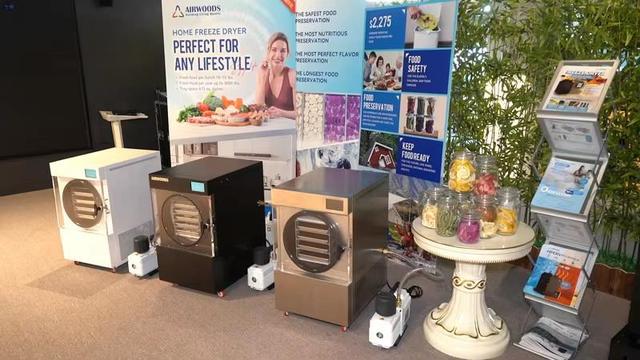
Hangzhou QMS Medical Co., Ltd. is a professional manufacturer specializing in medical ventilators, ICU ventilation systems, and respiratory care equipment for healthcare institutions worldwide. Established in 2015, the company is located in Hangzhou, China, a city recognized for its strong medical technology and advanced manufacturing industries.
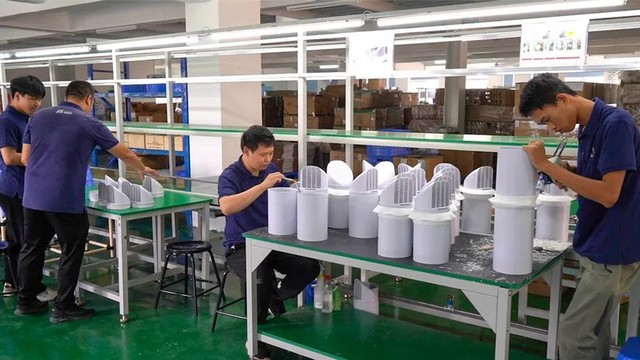
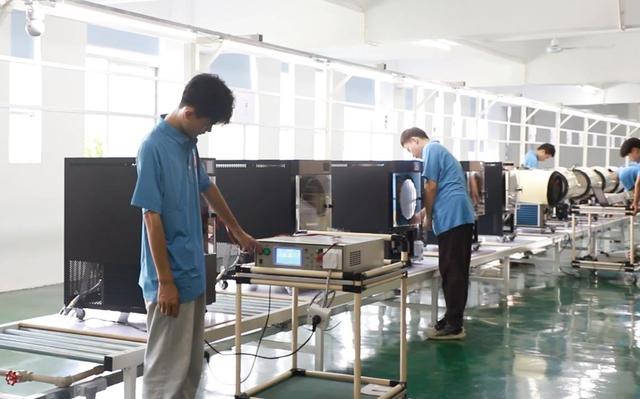
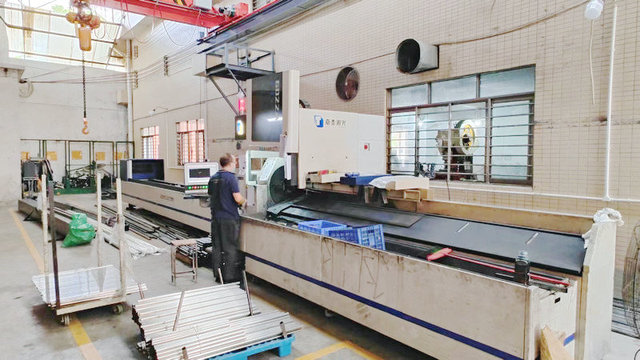
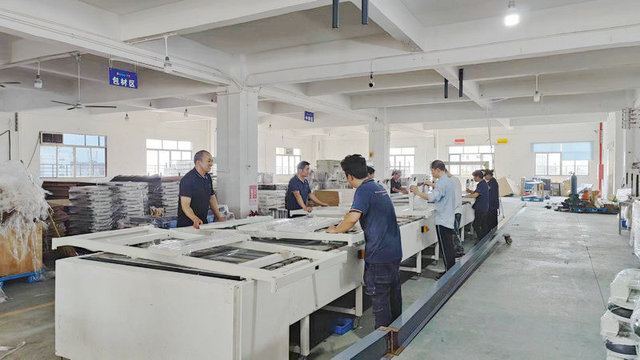
Operating a modern facility of 10,000 square meters with over 220 professionals, QMS focuses on R&D for hospitals, ICUs, and emergency departments. Their portfolio ranges from ICU ventilators to intelligent patient monitoring integration solutions.

Optimizing anesthesia delivery across different clinical environments.
Focus on high-frequency oscillation integrated with anesthesia for complex neonatal surgeries. Requirement: Seamless EMR (Electronic Medical Record) integration.
Mobile neonatal anesthesia units with long battery life (4+ hours) and vibration resistance for ambulance and intra-hospital transport.
Systems with low oxygen consumption and robust mechanical backup modes to ensure safety during power or gas supply fluctuations.
OEM/ODM Customization: Leading exporters like Hangzhou QMS Medical provide flexible manufacturing services. This allows local brands to leverage advanced Chinese manufacturing while tailoring the UI and gas connections to local standards (e.g., DIN vs. DISS).
Technical Training Hubs: Top 10 factories are no longer just selling hardware; they are establishing regional training centers. Providing clinical expertise on neonatal lung recruitment maneuvers adds significant "Information Gain" to their service portfolio.
Regulatory Support: Navigating the complex landscape of FDA, CE, and SFDA is a core service of top exporters. By providing comprehensive documentation, they reduce the time-to-market for international distributors.
Supported by a dedicated R&D team and advanced manufacturing capabilities, the industry is moving towards Total Respiratory Care. This includes post-operative monitoring and non-invasive support, creating a continuum of care that improves neonatal outcomes globally.
 QMS Medical