QMS Medical
1 / 5
The air inside your home can get stuffy and uncomfortable during the coldest months of the winter. It can get to the point where your home's indoor air feels similar to that of a submarine or an airplane, to the point where you'd give anything to open a window for fresh air. The problem is that your precious heat would escape out the window and you wouldn't get much fresh air in the process.
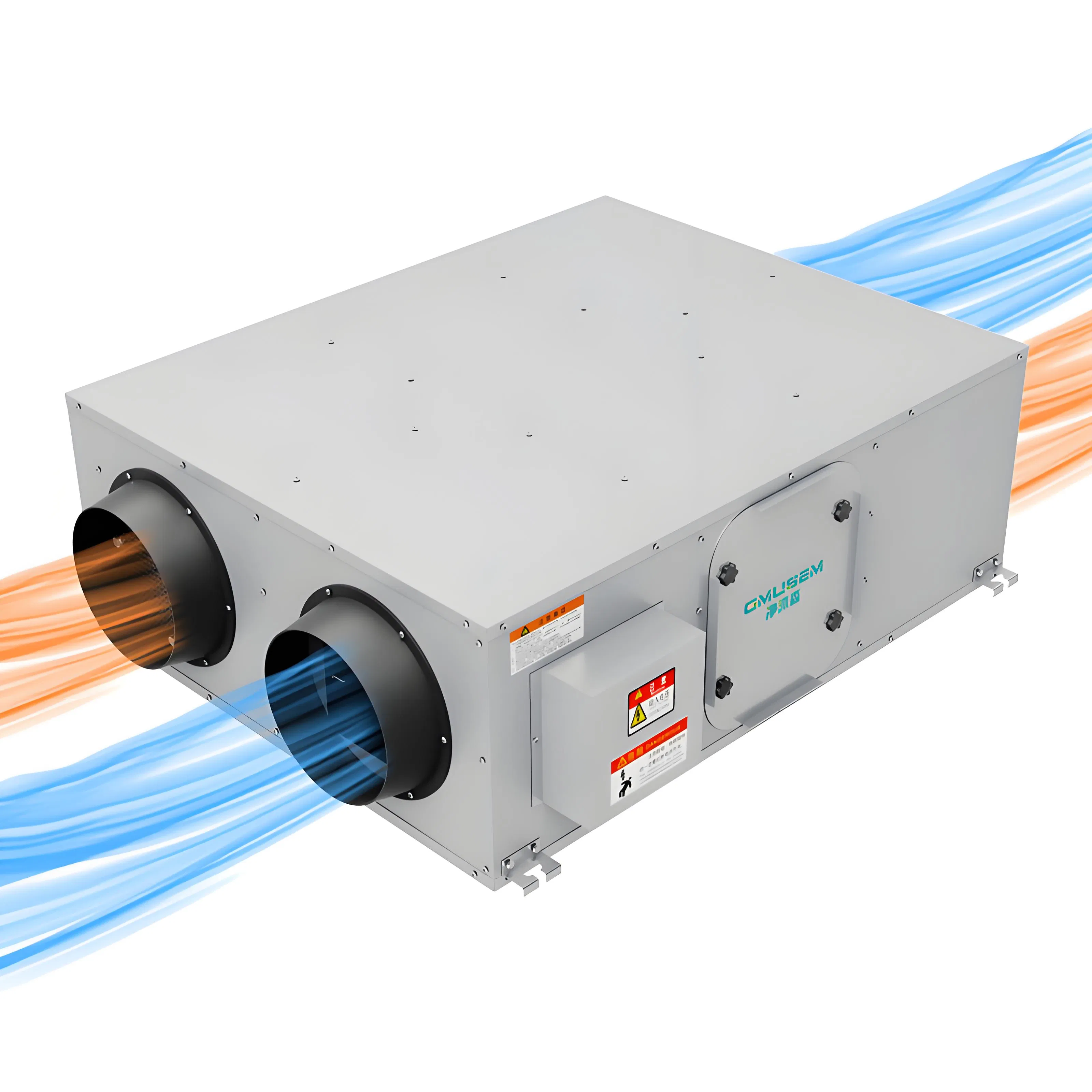
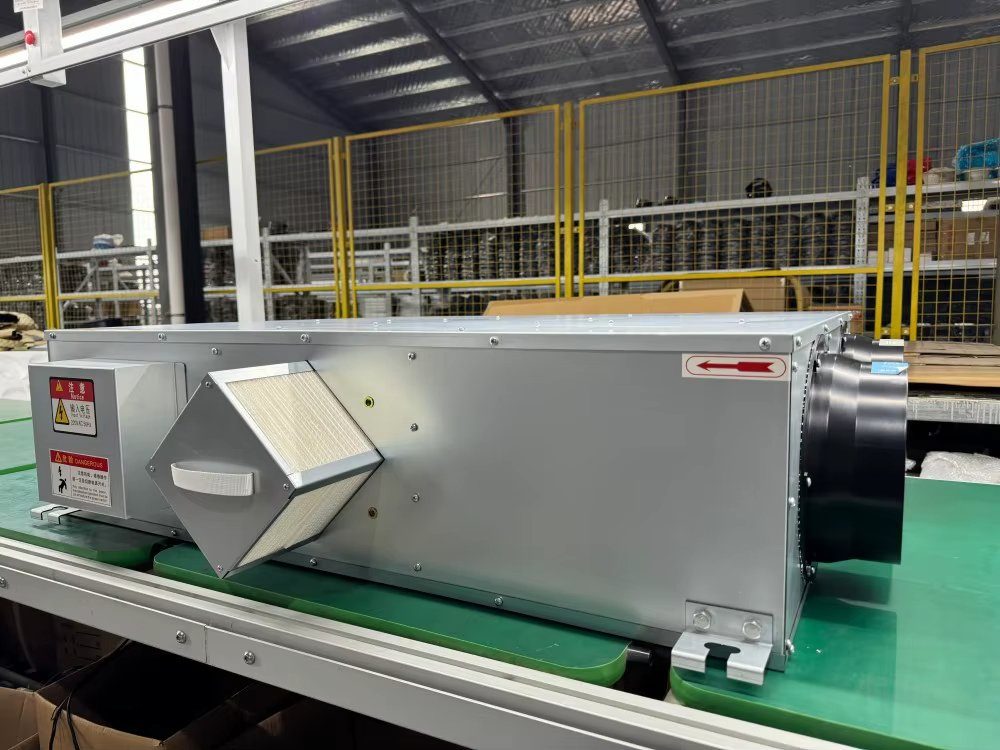
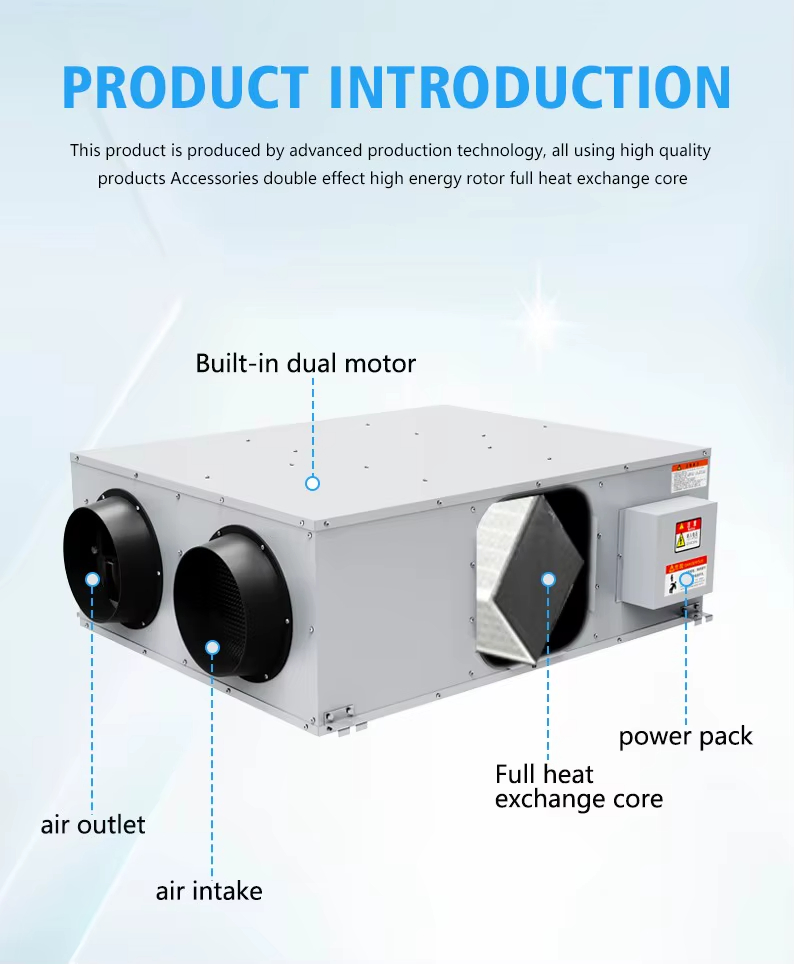
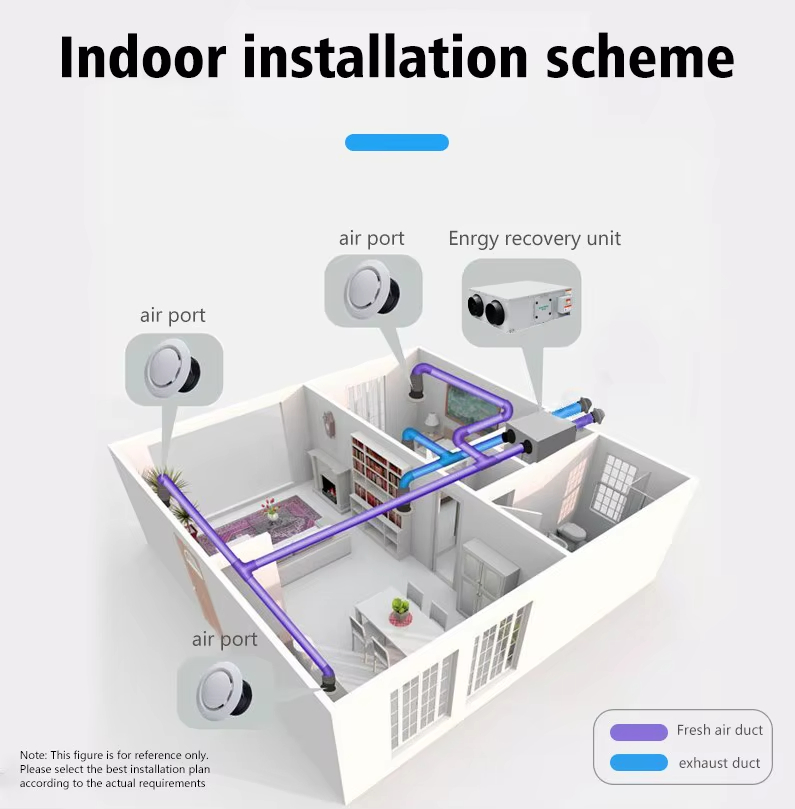
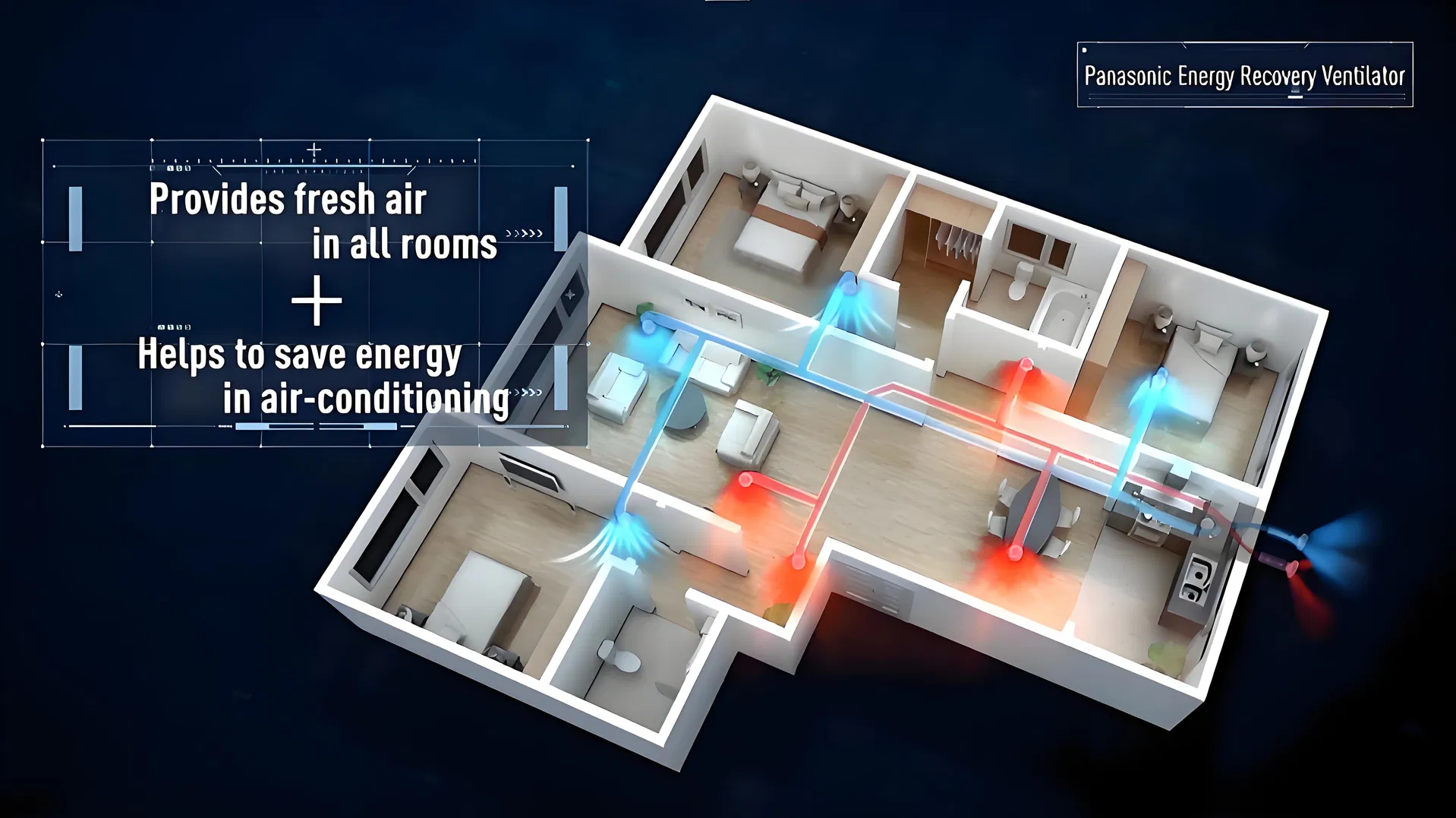
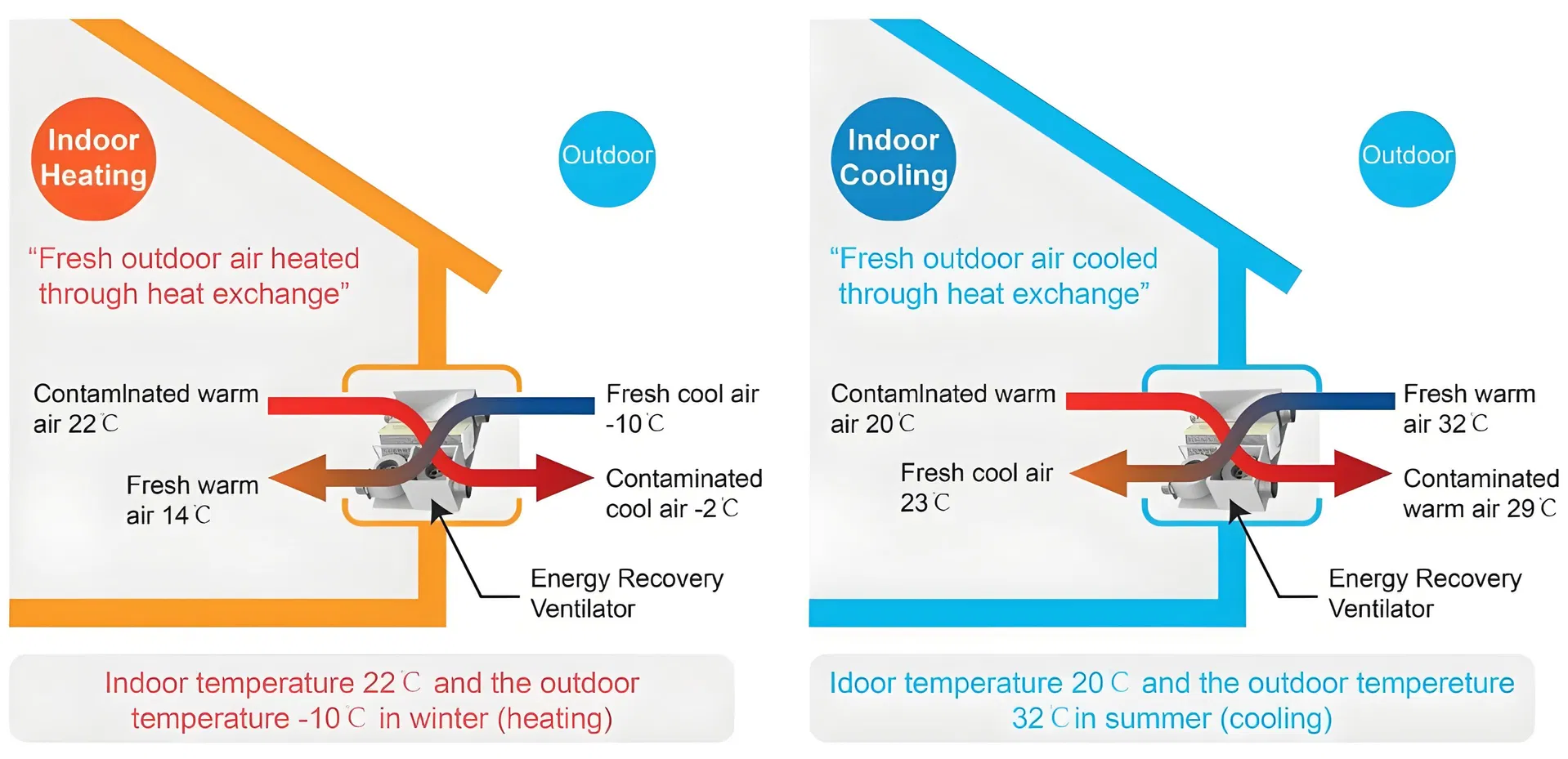
HRV systems are uniquely designed to take the air from outside, combine it with the heat and energy of your HVAC system, and pull it indoors so you can truly feel the influx of fresh air.

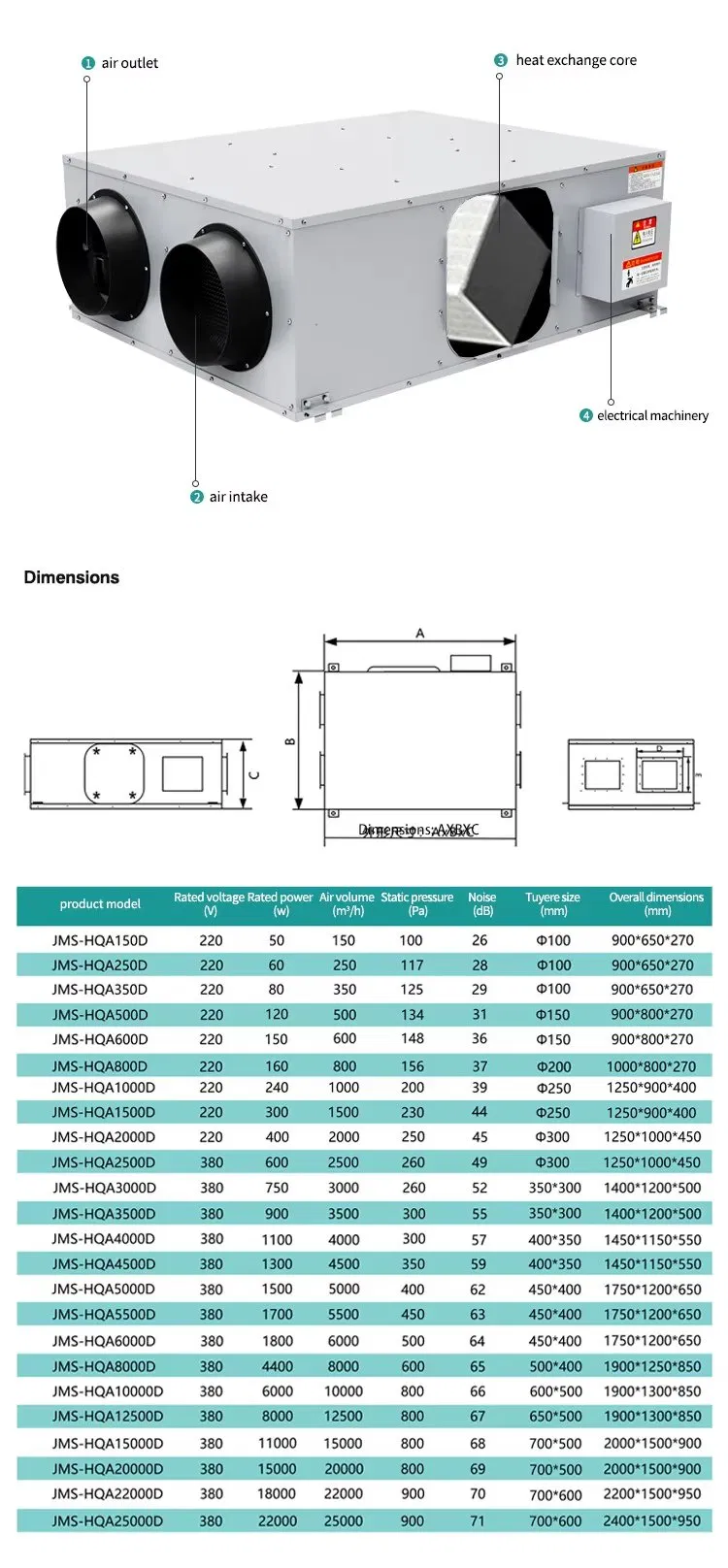
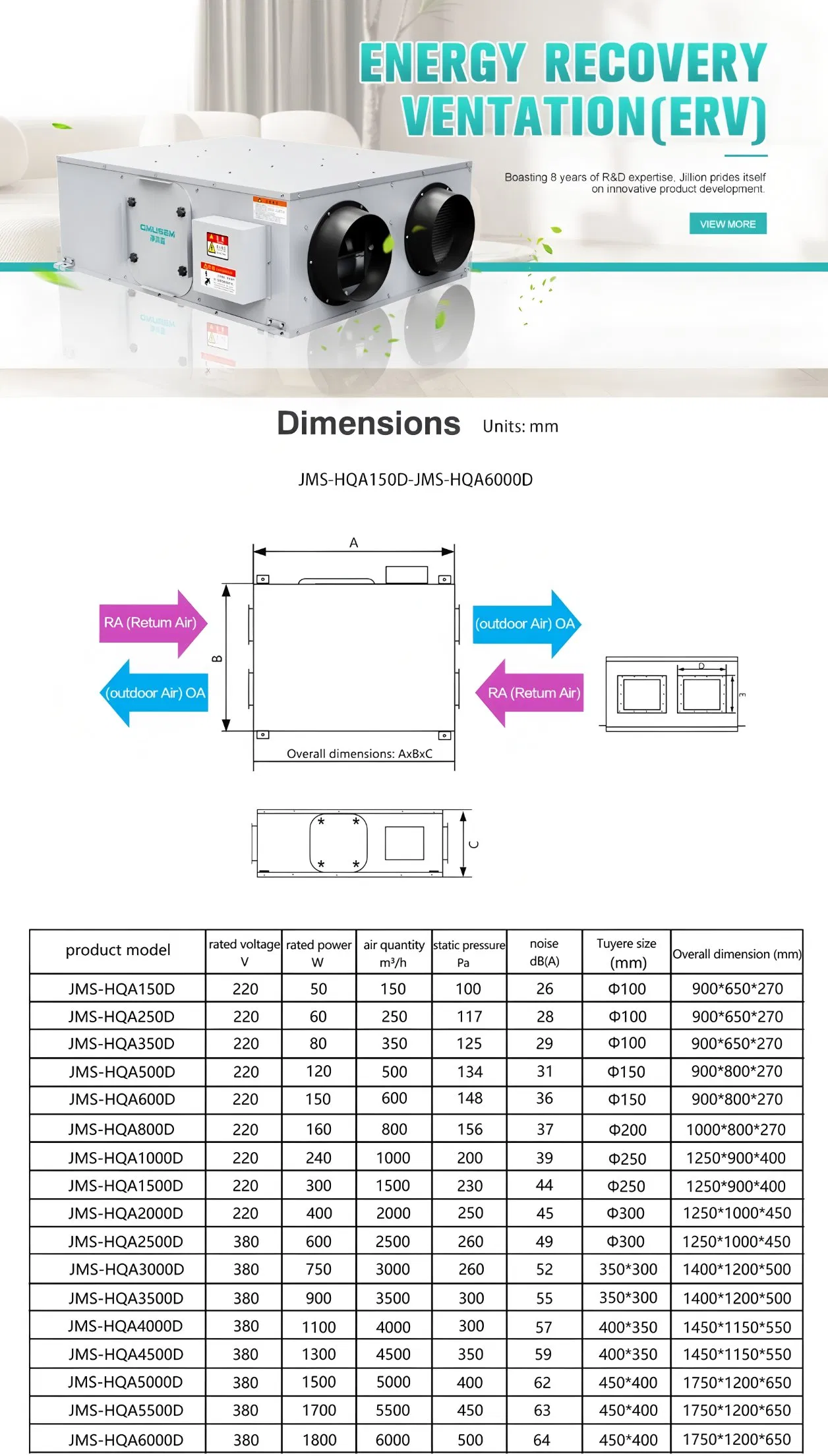
In today's world, where energy efficiency and indoor air quality are paramount, HVAC systems play a vital role in maintaining a comfortable and healthy living environment. Among the various components of an HVAC system, Heat Recovery Ventilation (HRV) and Energy Recovery Ventilation (ERV) systems have gained popularity for their ability to control indoor air quality while minimizing energy loss.
| How high is the thermal efficiency? |
| Ventilation systems for passive house projects must include heat recovery to meet requirements on minimising the amount of energy required to heat the home. Thermal efficiency indicates how efficiently the heat exchanger in the system utilises the energy from the hot extracted air to heat up the cooler supply air. Thermal efficiency should be at least 75%. The higher, the better. Some European authorities go beyond that by recommending the use of heat exchangers with a thermal efficiency of minimum 85%. |
| What type of exchanger suits me best? |
| There are different ways of recovering heat from the air. Three of the best known methods are using rotary heat exchangers, cross flow heat exchangers and counter flow heat exchangers. The counter flow heat exchanger is the most energy-efficient type, and has the added advantage of not leading odours around the building. A counter flow heat exchanger acts by allowing the hot extract air to pass the cooler supply air in the ducts, ensuring that the heat is transferred between the two airstreams without the supply air and extract air mixing. |