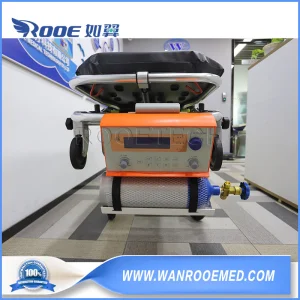
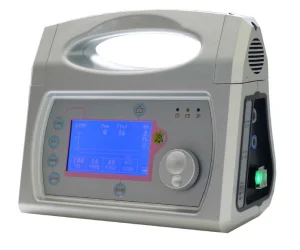
Engineered for intense tropical climates, high-humidity operations, and emergency transport across Papua New Guinea's rugged medical networks.
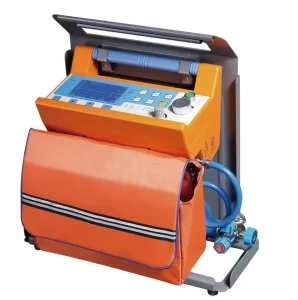
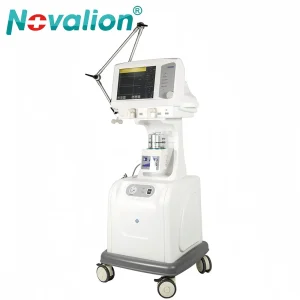
As the primary medical, political, and commercial center of Papua New Guinea (PNG), Port Moresby serves as the central apex for critical care interventions and health logistics across the National Capital District (NCD) and neighboring Southern coastal provinces. Facilities such as the Port Moresby General Hospital (PMGH), Paradise Private Hospital, and emergency responder operations like St John Ambulance PNG form the backbone of acute respiratory care in the nation.
Port Moresby functions as the sole referral hub for complex trauma and acute respiratory failure across island regions and highland provinces (such as Mount Hagen, Goroka, and Lae). Medevac operations rely on rapid air-transport systems connecting remote airstrips directly to Jacksons International Airport. Ventilator equipment must withstand rigorous vibration, continuous barometric pressure changes, and variable airborne dust profiles during aeromedical transits.
Electrical grids in Port Moresby experience periodic brownouts and line surges due to coastal storms and infrastructure bottlenecks. Medical devices operated in NCD hospitals and provincial clinics require wide input voltage tolerances (80V–264V AC), internal battery redundancies exceeding 6 to 8 hours, and advanced thermal management to prevent electronic overheating in ambient temperatures exceeding 38°C with 90% relative humidity.
| Engineering Parameter | Standard Commercial ICU Ventilator | Port Moresby Environment Optimized (QMS Range) | Clinical Gain / Operational Impact |
|---|---|---|---|
| Pneumatic Source | External High-Pressure Compressed Air (4 Bar) | Internal High-Speed Ultra-Quiet Micro-Turbine | Eliminates dependency on central air compressor infrastructure or heavy gas cylinders in field setups. |
| Operating Temperature | +10°C to +30°C (Climate-controlled) | -10°C to +45°C (Tropicalized Sealed Enclosure) | Prevents thermal shutdown during un-airconditioned field triage and hot ambulance transports. |
| Battery Backup Architecture | 1 to 2 Hours Standard Lithium-Ion | 6 to 8 Hours Dual Hot-Swappable Battery Modules | Ensures continuous mechanical ventilation during prolonged power outages or trans-provincial evacuations. |
| Ingress & Dust Protection | IP20 (Standard Indoor Medical Device) | IP24 / MIL-STD-810G Vibration Resistant | Protects internal optical flow sensors and turbine bearings from airborne dust and moisture ingress. |
| Oxygen Mixing System | Fixed Electronic Blender (Requires Wall O2) | Integrated Low-Flow & High-Flow O2 Concentrator Input | Allows direct connection to local 5L/10L oxygen concentrators or standard high-pressure medical gas. |
From intensive care surgical suites in Port Moresby to emergency maritime retrievals across the Bismarck Sea, specialized ventilation modes adapt dynamically to clinical urgency.
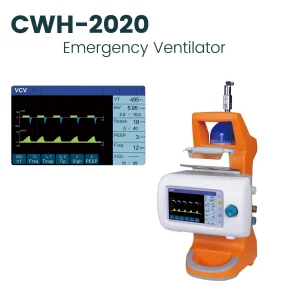
Fixed-wing aircraft transporting patients from highlands to Jacksons Airport face shifting barometric pressures. Automatic altitude compensation algorithms ensure stable Tidal Volume ($V_t$) delivery without risk of barotrauma or volutrauma during rapid ascent or descent.
Infant respiratory distress syndrome demands ultra-precise volume delivery down to 2mL. Integrated High-Flow Nasal Cannula (HFNC) modes allow non-invasive stabilization before invasive intubation becomes necessary in pediatric emergency rooms.
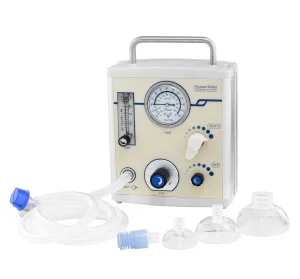
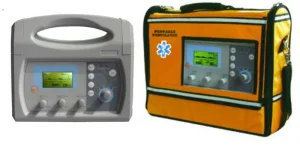
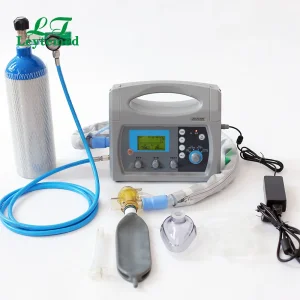
During seasonal floods or remote infectious outbreaks, lightweight portable ventilators (< 6.5 kg) equipped with anti-vibration rubber bumpers provide rapid bed-side setup without requiring static hospital pipeline systems.
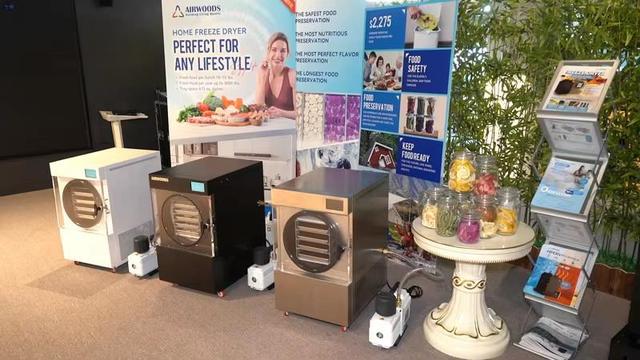
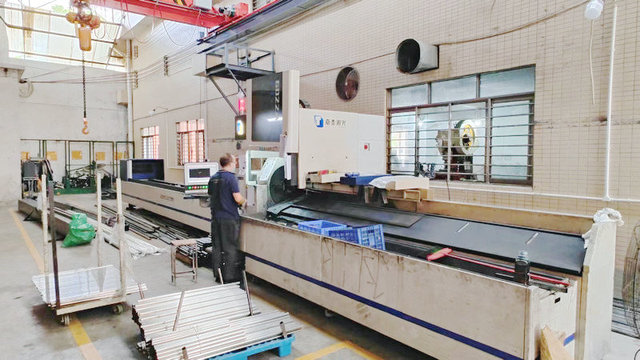
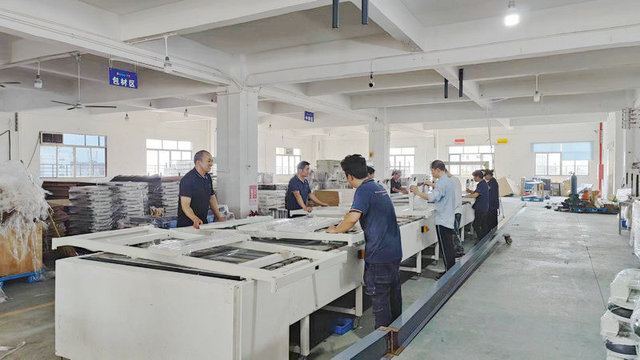
Established in 2015 in Hangzhou, China—a hub recognized globally for technological innovation and precision bio-engineering—Hangzhou QMS Medical Co., Ltd. stands as a premier manufacturer of high-grade ICU ventilation networks, mobile transport respirators, and emergency life support solutions.
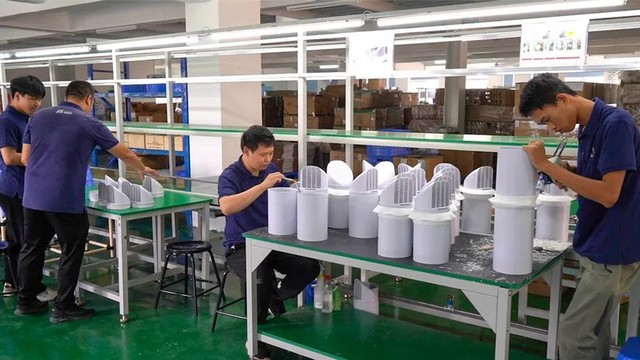
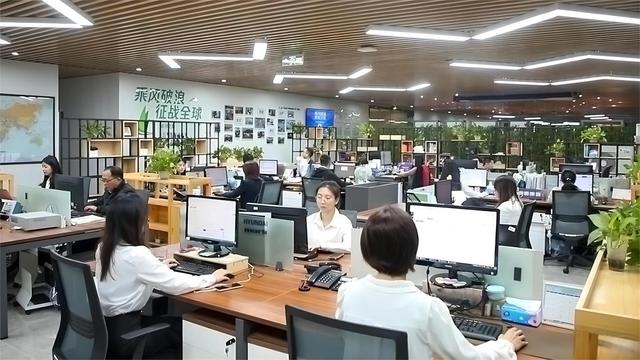
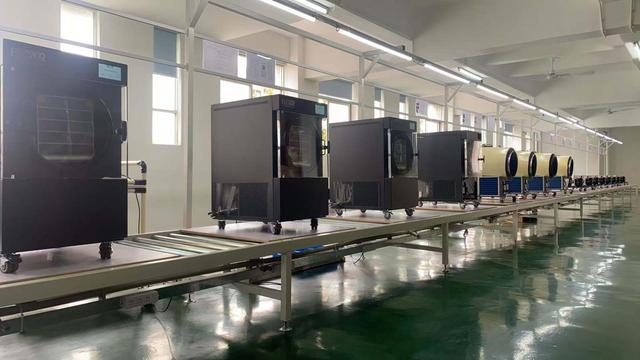
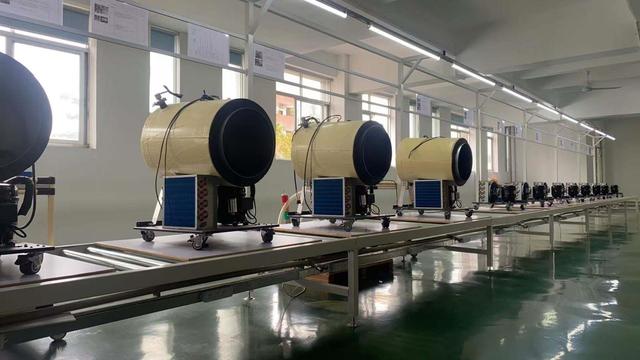
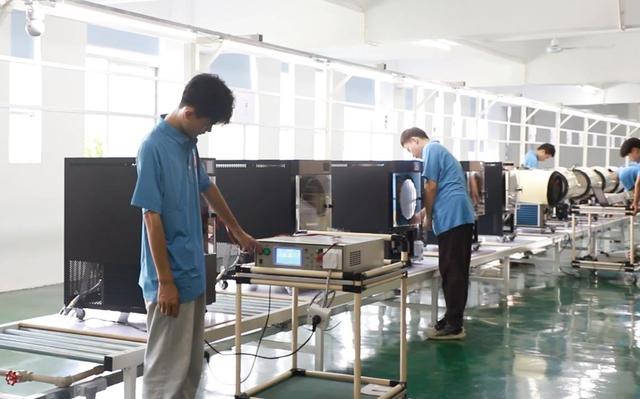
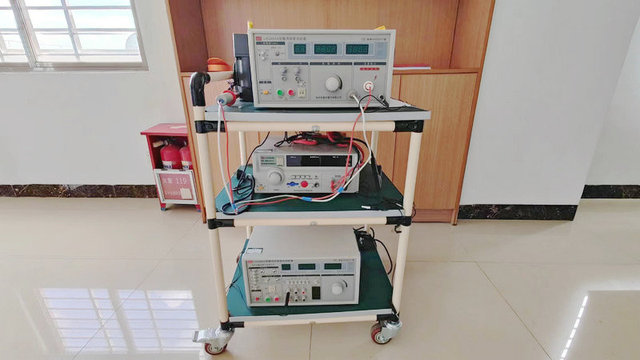
Operating a state-of-the-art production complex spanning over 10,000 square meters, QMS Medical maintains an elite workforce of more than 220 skilled professionals. This multidisciplinary team includes senior biomedical engineers, software architects, quality assurance auditors, and international compliance leads who ensure every ventilator unit passes rigorous ISO 13485 stress tests prior to export.
By controlling the complete manufacturing value chain—from micro-turbine calibration and pneumatic circuit assembly to AI algorithm validation and environmental chamber testing—QMS Medical provides unprecedented delivery efficiency, factory-direct pricing, and comprehensive OEM/ODM customization for healthcare ministries and distributors in Port Moresby and the broader Pacific region.
QMS Medical adheres strictly to global regulatory directives, ensuring seamless registration with Papua New Guinea National Department of Health (NDOH) standards.
The evolution of mechanical ventilation in developing healthcare ecosystems centers around automation, remote diagnostic telemetry, and ultra-low maintenance requirements.
Closed-loop algorithms automatically adjust $FiO_2$ based on real-time $SpO_2$ feedback, conserving valuable oxygen supply in regional PNG hospitals where bulk liquid oxygen supply is limited.
Secure 4G/Satellite data transmission allows senior intensivists at Port Moresby General Hospital to remotely monitor ventilation wave-forms and patient data in distant provincial health centers.
Tool-less filter replacement, modular plug-and-play pneumatic manifolds, and self-diagnostic software reduce maintenance downtime and eliminate reliance on overseas repair technicians.
We ensure continuous operational readiness through dedicated regional parts stocking, direct clinical training, and robust international warranties.
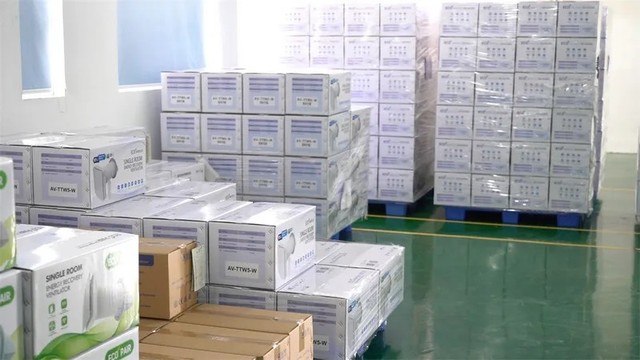
With direct shipping routes between Chinese manufacturing hubs and Port Moresby (Fairfax Harbour / Jacksons International Airport), QMS Medical coordinates rapid freight fulfillment, customs pre-clearance, and door-to-door delivery for emergency procurement orders.
Comprehensive clinical and technical training workshops are conducted via interactive video modules and on-site field engineers, empowering local PNG biomedical technicians to perform routine calibration, flow sensor replacement, and preventative maintenance.
Explore our full line of ISO 13485 certified emergency, transport, and ICU ventilation systems engineered for demanding clinical environments.
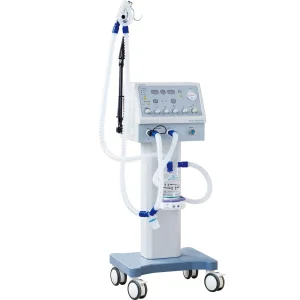
Detailed answers regarding regulatory compliance, shipping logistics, operational resilience, and technical support for healthcare administrators in Port Moresby.
QMS Medical emergency ventilators feature sealed internal electronic compartments rated up to IP24 dust and water splash resistance. Internal heat sinks and high-efficiency micro-turbines operate stably within temperature ranges from -10°C up to +45°C and relative non-condensing humidity levels up to 90%. Internal optical sensors are specially coated to prevent moisture fogging and thermal drift.
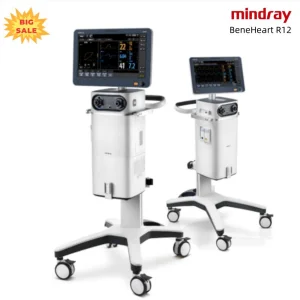
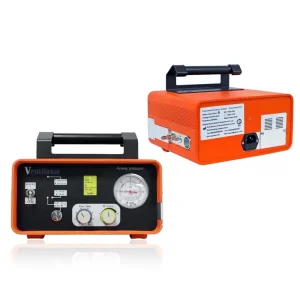
Yes. Our turbine-driven models (such as the AV-2020 and SV800 series) generate their own high-velocity airflow using integrated internal turbines, requiring no external air compressor. Oxygen can be enriched using low-pressure oxygen concentrators or portable medical gas cylinders via low-flow and high-flow inlet ports, making them optimal for remote PNG clinic setups.
All Hangzhou QMS Medical Co., Ltd. ventilation products comply with international medical equipment standards including ISO 13485 quality management, ISO 80601-2-12 for critical care lung ventilators, and hold valid European CE certification. Technical documentation, Certificates of Free Sale (CFS), and factory test reports are provided to support registration with the PNG National Department of Health.
Our portable units are equipped with internal hot-swappable dual lithium-ion batteries that deliver up to 6 to 8 hours of continuous operation. The wide-range power supply unit accepts AC input voltages from 80V to 264V and frequencies of 50/60Hz, protecting internal electronics against grid sags, surges, and sudden blackouts.
Air freight dispatches from Hangzhou (HGH) or Shanghai (PVG) to Jacksons International Airport (POM) typically arrive within 3 to 7 business days for urgent emergency orders. Direct ocean container shipments to Fairfax Harbour in Port Moresby take approximately 18 to 25 days, supported by complete export packing and shock-absorbing freight crates.
QMS Medical provides replacement consumable kits (including bacterial/viral filters, patient circuits, expiratory valves, and flow sensors) with guaranteed 5-year spare parts availability. Maintenance manuals and remote video technical assistance allow local biomedical engineering staff in Port Moresby to conduct annual calibration and diagnostics quickly.
Partner with Hangzhou QMS Medical Co., Ltd. for certified emergency ventilation solutions, customized OEM configurations, and rapid delivery across Papua New Guinea.
Send Inquiry Now QMS Medical